
Beautiful Plants For Your Interior
Beautiful Plants For Your Interior
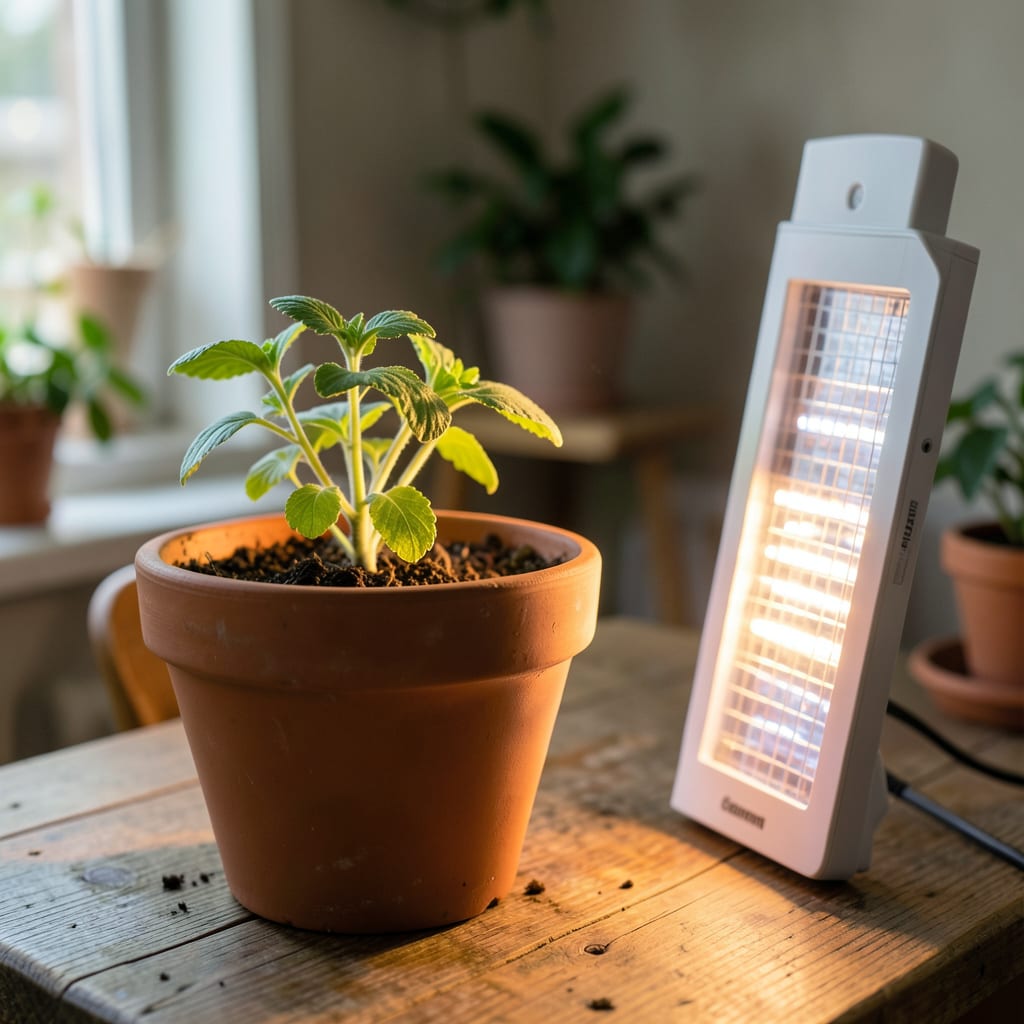
As I tend to my 🌱 Plant in General, I’ve learned that light is crucial for its growth. Too little or too much can be harmful, and the right amount varies depending on the plant type and its natural habitat.
In this guide, I’ll walk you through the essential light requirements for your Plant to thrive in USDA Zone 6 during spring and beyond, helping you create optimal growing conditions.


Different plants have varying light requirements based on their natural habitats and growth patterns. Understanding these needs is crucial for creating optimal growing conditions.
The amount of light a plant needs depends on its species, growth stage, and environmental conditions. Some plants thrive in bright light, while others prefer shade or indirect light.
Light intensity is measured in foot-candles (fc) or lux. Different plants require different light intensities: low light (50-250 fc), medium light (250-1,000 fc), and bright light (1,000-5,000 fc).
For example, succulents and cacti typically require bright direct light for 4-6 hours a day, while tropical plants prefer bright indirect light for a similar duration. In contrast, ferns and shade plants thrive in low to medium indirect light for 2-4 hours daily 🌿.
The duration of light exposure also plays a critical role. Some plants are short-day plants, requiring less than 12 hours of light, while others are long-day plants, needing more than 12 hours of light to thrive.
Some plants are more sensitive to light than others. For instance, African Violets are sensitive to direct sunlight and require filtered or indirect light, while succulents can tolerate full sun.
Understanding these differences is key to providing the right light conditions for your plants. By matching the light requirements to the plant type, you can ensure healthy growth and development 🌱.
To further optimize light conditions, consider using grow lights for plants that require high light intensity or for indoor plants receiving insufficient natural light.
Monitoring light conditions is also essential. Use a light meter to measure the light intensity and adjust the plant’s position accordingly.
By providing the right amount and type of light, you can promote healthy growth, prevent common light-related problems, and enjoy thriving plants.
In summary, understanding the specific light needs of your plants is crucial for their growth and survival. By recognizing the different light requirements for various plant types and adjusting your care accordingly, you can create an optimal growing environment 🌻.
To ensure healthy plant growth, it’s essential to determine the right amount of light for your plants. Different plants have varying light requirements, and understanding these needs is crucial for creating optimal growing conditions.
I recommend starting by assessing the natural light available in your growing space. Observe the light intensity and duration to determine if it’s suitable for your plants 🌞.
Use a light meter to measure the light intensity and adjust your plant’s position accordingly. This will help ensure your plants receive the right amount of light for optimal growth.
Light intensity is a critical factor in plant growth. Most plants require medium to bright indirect light, but some can thrive in low light conditions. Understanding the specific light needs of your plants will help you provide the best conditions for growth 🌿.
When determining the right amount of light, consider the duration of light exposure. Some plants are short-day plants, requiring less than 12 hours of light, while others are long-day plants, needing more than 12 hours of light to thrive.
Adjusting light conditions is also important. If your plants are not receiving enough natural light, consider using grow lights to supplement the available light. This is especially useful for indoor plants or plants that require high light intensity 💡.
By understanding and providing the right amount of light, you can promote healthy growth, prevent common light-related problems, and enjoy thriving plants 🌻.
In summary, determining the right amount of light for your plants involves assessing natural light, understanding light intensity, and adjusting conditions as needed. By following these tips, you can create an optimal growing environment for your plants.
When it comes to plant care, light is a critical factor that can make or break your plant’s health. Too little or too much light can cause a range of problems, from stunted growth to scorched leaves 🌿.
I recommend being aware of the common light-related issues that can affect your plants. By understanding these problems and their solutions, you can take steps to prevent them and ensure your plants thrive.
Too little light can cause plants to become leggy and weak, as they stretch towards the light source. This can lead to a range of problems, including reduced flowering and increased susceptibility to disease 🌟.
On the other hand, too much light can cause leaves to become scorched or discolored, leading to a loss of foliage and reduced plant health. In extreme cases, it can even cause plants to become dehydrated and stressed 💧.
To solve these problems, it’s essential to adjust the light conditions to meet the specific needs of your plants. This may involve moving plants to a brighter or shadier location, or using grow lights to supplement the available light 💡.
By being aware of the common light-related problems and taking steps to prevent them, you can ensure your plants receive the right amount of light to thrive. Regular monitoring and adjustments will help you create an optimal growing environment 🌻.
In summary, understanding the potential light-related issues and their solutions is crucial for maintaining healthy plants. By providing the right amount and type of light, you can promote healthy growth, prevent problems, and enjoy thriving plants 🌱.
Check your plant’s leaves for signs of too little or too much light. If they’re dark green and stretched out, it might need more light. If they’re scorched or discolored, it might be getting too much. Adjust the plant’s position accordingly to ensure optimal growth .
Yes, you can use grow lights to supplement natural light, especially for indoor plants or those that require high light intensity. This can help promote healthy growth and prevent common light-related problems .
If your plant’s leaves are becoming scorched, discolored, or showing signs of stress, it might be getting too much direct sunlight. Consider moving it to a shadier location or using a sheer curtain to filter the light .
Most houseplants require 12-16 hours of light per day, but this can vary depending on the specific plant type and its natural habitat. Some plants are short-day plants, while others are long-day plants, so research your plant’s specific needs .
