
Beautiful Plants For Your Interior
Beautiful Plants For Your Interior
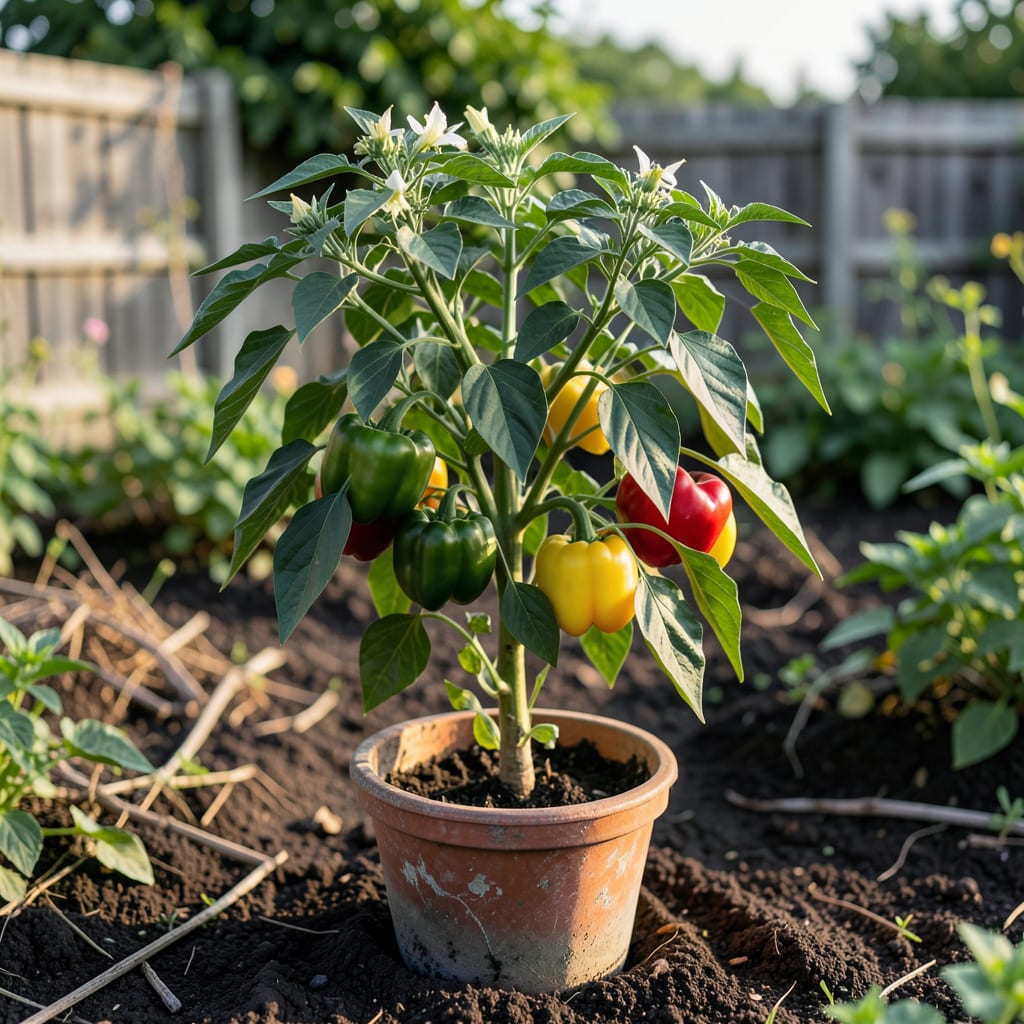
Growing 🌶️ Pepper plants can be a rewarding experience, but understanding their light requirements is crucial for a bountiful harvest. In USDA Zone 6, getting the light right is essential for optimal growth.
I’ve learned that Pepper plants need 6+ hours of direct sunlight daily. Let’s explore how to ensure your plants get the light they need to thrive in your garden.

Pepper plants need 6+ hours of direct sunlight daily to thrive. In my experience, insufficient light can lead to weak and spindly growth, reducing overall yield 🌟.
The ideal light conditions for pepper plants include full sun exposure. This means they should be placed in a location that receives direct sunlight for most of the day. I recommend choosing a spot that gets sunlight from 6 AM to 6 PM for optimal growth 🔥.
When growing pepper plants indoors, it’s essential to replicate their natural light requirements. I suggest using supplemental lighting if natural light is insufficient. This can include LED grow lights or other types of plant lighting 💡.
Pepper plants that receive adequate light will have healthier growth and produce more fruit. In contrast, plants that don’t get enough light may become leggy and weak. Monitoring your plants’ response to light is crucial for adjusting their placement or lighting setup 🌱.
In USDA Zone 6, the optimal time for planting pepper plants outside is after the last frost, typically around April 15. Ensure that your plants are getting enough light during their growing season, which usually spans from May to September 📆.
A full sun exposure is ideal for pepper plants, meaning they should receive direct sunlight for at least 6 hours a day. This can be achieved by placing them in a south-facing location or using supplemental lighting 🌞.
Understanding the light needs of pepper plants is the first step in creating an optimal growing environment. By providing the right amount of light, you can significantly improve the health and productivity of your pepper plants 🌿.
To further optimize light conditions, consider the positioning of your plants. Ensure they are not shaded by other plants or structures and are exposed to direct sunlight for the recommended duration 🔍.
By following these guidelines and ensuring your pepper plants receive the right amount of light, you can enjoy a bountiful harvest of delicious peppers 🍅.
To optimize light conditions for pepper plants, it’s essential to understand their specific needs. Pepper plants require 6+ hours of direct sunlight daily, making full sun exposure ideal 🌞.
When growing pepper plants indoors, I recommend using supplemental lighting if natural light is insufficient. LED grow lights are an excellent option as they provide the necessary spectrum for plant growth 💡.
Rotate your pepper plants regularly to ensure even light distribution and prevent uneven growth 🔄.
In addition to providing sufficient light, it’s crucial to avoid common light-related issues. For example, too much direct sunlight can cause leaf scorch, while insufficient light can lead to leggy growth ⚠️.
To maximize light exposure, consider the positioning of your plants. Ensure they are not shaded by other plants or structures and are exposed to direct sunlight for the recommended duration 🔍.
By following these guidelines and optimizing light conditions, you can significantly improve the health and productivity of your pepper plants, leading to a bountiful harvest 🌿.
Monitoring your plants’ response to light is also crucial. If you notice any signs of insufficient light, such as yellowing leaves or reduced fruit production, adjust their lighting setup accordingly 📝.
Overall, optimizing light conditions is a critical aspect of growing healthy and productive pepper plants. By providing the right amount and type of light, you can enjoy a successful harvest 🌟.
Insufficient light can have significant consequences on pepper plants, affecting their growth, flowering, and fruit production. I’ve observed that plants receiving inadequate light often become leggy and weak, reducing overall yield 🌟.
The effects of insufficient light on pepper plants are multifaceted. Plants may exhibit stunted growth, produce fewer flowers, and have lower fruit production. In my experience, this is because light is essential for photosynthesis, the process by which plants produce energy ⚡️.
To mitigate the effects of insufficient light, consider using supplemental lighting such as LED grow lights. These can provide the necessary spectrum and intensity to support healthy plant growth 💡.
Monitoring your plants’ response to light is crucial. If you notice signs of insufficient light, such as yellowing leaves or reduced fruit production, adjust their lighting setup accordingly 📝.
By understanding the consequences of insufficient light and taking steps to provide adequate lighting, you can significantly improve the health and productivity of your pepper plants 🌿.
Proper light management is essential for a bountiful harvest. Ensure your pepper plants receive the right amount of light to thrive in your garden 🌞.
In conclusion, providing sufficient light is critical for the optimal growth and productivity of pepper plants. By
Pepper plants require at least 6 hours of direct sunlight daily to thrive. Anything less can lead to weak and spindly growth, reducing overall yield .
Yes, you can grow pepper plants indoors using supplemental lighting like LED grow lights. These provide the necessary spectrum for plant growth and can help replicate outdoor light conditions .
Insufficient light can lead to stunted growth, reduced flowering, and lower fruit production. This is because light is essential for photosynthesis, the process by which plants produce energy .
Rotate your pepper plants regularly to ensure even light distribution and prevent uneven growth. This simple practice can significantly improve plant health and productivity .
