
Beautiful Plants For Your Interior
Beautiful Plants For Your Interior
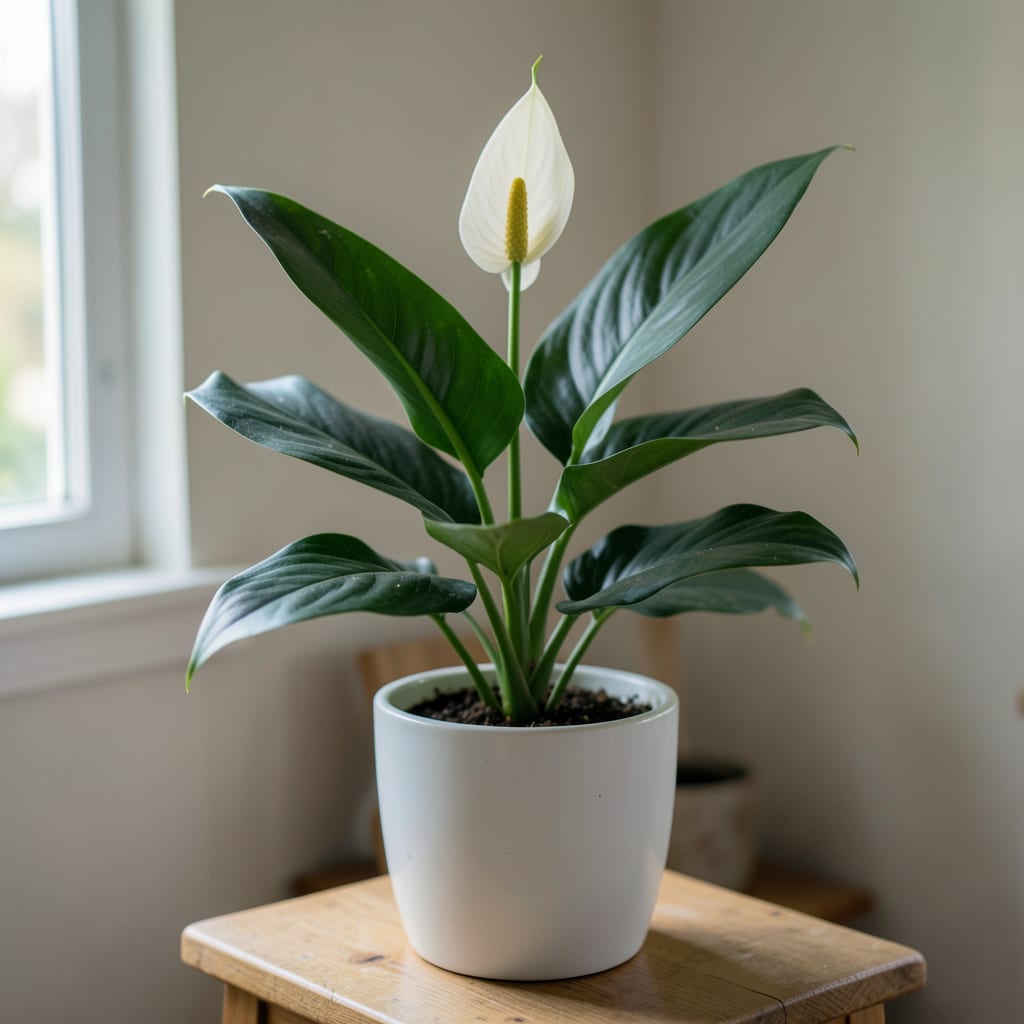
As I care for my Peace Lily 💐, I’ve learned that getting the lighting right is crucial. Too little light, and it won’t thrive; too much, and it might get scorched.
So, how much light does it actually need? In this guide, I’ll share the ideal lighting conditions for your Peace Lily to flourish, helping you create the perfect environment in your home.

I’ve learned that the right lighting makes the difference between a thriving peace lily and a drooping one. In my experience, a few simple tweaks can boost growth dramatically. 🌱
Peace lilies prefer bright indirect light but tolerate low‑light spots, which is why they thrive in north‑facing rooms or offices. I usually place mine near a filtered window to keep foliage vibrant.
The ideal light intensity sits around 20% of full sunlight, roughly 2‑4 hours of bright filtered light each day. Anything less can slow leaf production, while more can scorch leaves.
Direct sunlight is a no‑go for peace lilies; the harsh rays cause brown edges and leaf burn. I keep my plant at least a foot away from south‑facing panes to avoid scorching.
Filtered light from north‑facing windows provides the perfect balance without southern intensity. If your space lacks a north side, an east window gives gentle morning sun that works well too.
When natural light is insufficient, I use a full‑spectrum LED grow light set on a 12‑hour timer. Position it 12‑18 inches above the foliage for even illumination.
Too much light shows up as yellowing leaf tips and a leathery texture. If you notice these signs, move the plant farther from the window or dim the artificial light.
Conversely, low light causes slow new growth and pale, drooping leaves. I boost exposure by rotate the pot weekly and cleaning the glass to maximize incoming light.
Seasonal changes affect light levels; shorter days in winter mean I increase artificial lighting by an extra hour. Summer’s brighter sun may require pulling the plant back a few inches.
A common myth is that peace lilies need direct sun to bloom; actually, they flower best under <
I find that positioning my peace lily correctly makes all the difference in its growth. Proper lighting is crucial for maintaining its health and promoting beautiful blooms 🌼.
To give your peace plant the right amount of light, place it near a north-facing window where it can receive filtered sunlight. This direction provides gentle, indirect light that’s ideal for peace lilies.
For optimal results, keep your peace lily 2-4 feet away from the window to avoid direct sun exposure.
If a north-facing window isn’t available, you can use artificial lighting to supplement natural light. A full-spectrum LED grow light is an excellent option, as it provides the necessary light spectrum for plant growth.
When using grow lights, position them 12-18 inches above your peace lily. Set the light on a 12-hour timer to mimic natural daylight hours, ensuring your plant gets consistent illumination 🌱.
It’s essential to monitor your plant’s response to lighting. If you notice yellowing leaves or leaf burn, it may be receiving too much light. Conversely, if the leaves are pale or drooping, it might not be getting enough light.
Adjust the lighting accordingly by moving the plant or adjusting the grow light’s duration and intensity. Regularly rotating the plant will also help ensure even light distribution and prevent uneven growth 🔄.
I’ve seen many peace lily owners struggle with lighting issues, but avoiding common mistakes can make all the difference 🌿.
One of the most frequent errors is placing peace lilies in direct sunlight, which can cause leaf scorch and browning. Instead, opt for bright, indirect light that mimics their natural habitat.
Avoid placing your peace lily in direct sunlight or low-light areas for extended periods, as this can lead to poor growth and health issues.
Another mistake is not adjusting lighting according to the seasonal changes. During winter months, peace lilies may require more light due to shorter days, while in summer, they may need more shade to prevent scorching 🌞.
To avoid these mistakes, monitor your plant’s response to its lighting conditions. If you notice yellowing leaves or leggy growth, adjust the lighting accordingly 🔄.
By being mindful of these common lighting mistakes, you can create a healthier environment for your peace lily to thrive 🌟.
Regularly checking your plant’s condition and making necessary adjustments will help prevent common lighting-related issues and ensure your peace lily remains healthy and vibrant 🌿.
Peace lilies prefer low to medium light, with 2-4 hours of bright, filtered light daily. They thrive near north-facing windows or under full-spectrum LED grow lights.
No, direct sunlight can cause leaf scorch and browning. Instead, use filtered sunlight or artificial lighting to provide the right conditions. Keep it at least 2-4 feet away from windows.
Too much light causes yellowing leaves and leaf burn, while too little light results in slow growth and pale, drooping leaves. Adjust the lighting based on these signs.
Yes, full-spectrum LED grow lights are ideal. Position them 12-18 inches above the plant and set on a 12-hour timer for consistent illumination. This helps when natural light is insufficient.
