
Beautiful Plants For Your Interior
Beautiful Plants For Your Interior
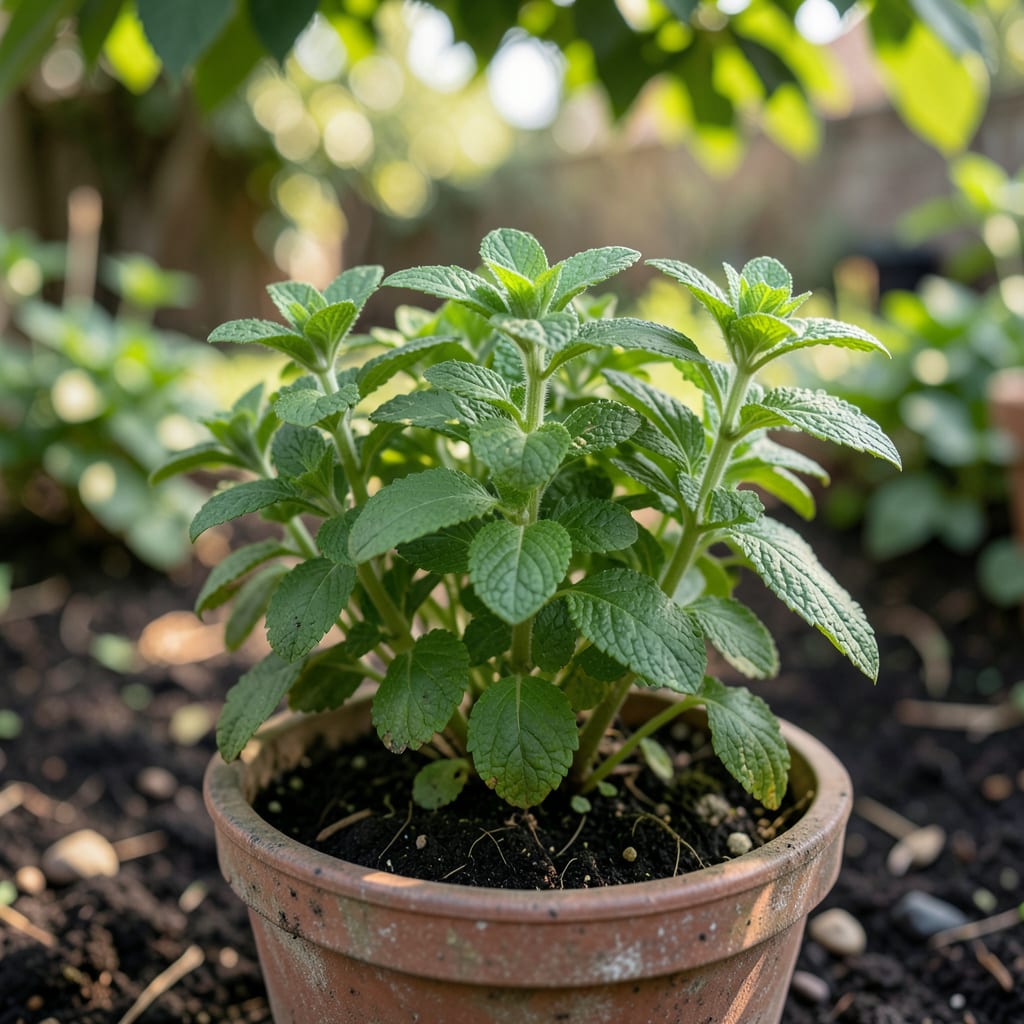
Growing Mint 🌿 can be a rewarding experience, but getting the light right is crucial. Too little light can lead to weak growth, while too much can cause scorching.
Understanding Mint’s light needs is key to unlocking its full potential. Let’s explore the ideal lighting conditions for this hardy herb and how to optimize its growth in different environments.

Mint plants are known for their hardiness and adaptability, but they still have specific light requirements for optimal growth. Understanding these needs is crucial for maintaining healthy plants and maximizing their flavor and aroma 🌿.
The amount of light a mint plant needs can vary depending on the variety, but generally, mint prefers partial shade to bright indirect light. This means that mint plants thrive best when they receive 4-6 hours of indirect sunlight daily. Too little light can lead to weak and spindly growth, while too much direct sunlight can cause the leaves to become scorched 🔥.
When growing mint indoors, it’s best to place it near an east- or west-facing window where it can receive bright, indirect light. If you’re growing mint outdoors, choose a location that receives partial shade, especially during the hottest part of the day. This will help prevent the leaves from getting scorched and maintain their flavor and aroma 🌞.
In addition to the amount of light, the quality of light also affects mint plants. Bright indirect light promotes healthy growth and essential oil production, which is crucial for the plant’s flavor and aroma. Too little light can result in less flavorful leaves, while too much direct sunlight can degrade the essential oils, affecting the plant’s quality 🌿.
To optimize mint growth, it’s essential to monitor the plant’s response to its lighting conditions. If the leaves are too pale or the stems are stretching towards the light source, it may be a sign that the plant needs more light. Conversely, if the leaves are scorched or wilted, it may be receiving too much direct sunlight 💡.
By understanding and providing the right light conditions, you can enjoy a bountiful harvest of fresh, flavorful mint leaves throughout the growing season. Whether you’re growing mint indoors or outdoors, paying attention to its light requirements will help you cultivate healthy, thriving plants 🌱.
For more specific guidance on growing mint, including tips on watering, fertilizing, and pruning, be sure to check out our comprehensive mint growing guide. With the right care and attention, your mint plants will flourish and provide you with an abundance of delicious leaves for cooking and herbal remedies 📚.
In summary, mint plants require partial shade to bright indirect light for optimal growth. By providing the right amount and quality of light, you can enjoy healthy, flavorful mint leaves throughout the growing season. Happy growing! 🌼
Creating the right lighting conditions is crucial for growing healthy mint plants. Mint thrives in partial shade to bright indirect light, making it versatile for both indoor and outdoor cultivation 🌿.
When growing mint indoors, place it near an east- or west-facing window to provide the ideal amount of bright, indirect light. This orientation helps avoid direct sunlight that can scorch the leaves while still delivering sufficient light for healthy growth 🌞.
For optimal mint growth, maintain 4-6 hours of indirect sunlight daily. Monitor your plant’s response and adjust its position accordingly to prevent scorching or weak growth.
Outdoor mint cultivation requires careful consideration of sunlight exposure. Choose a location that receives partial shade, especially during the peak sun hours. This helps maintain the plant’s flavor and aroma while preventing leaf scorch 🌼.
The quality of light is as important as the quantity. Bright indirect light promotes healthy growth and enhances essential oil production, which is vital for mint’s flavor and aroma. Too little light can result in less flavorful leaves, while excessive direct sunlight can degrade these essential oils 🌿.
To ensure your mint plants thrive, observe their response to the lighting conditions. If the leaves appear pale or the stems are stretching towards the light, consider increasing the light exposure. Conversely, if the leaves are scorched or wilted, they may be receiving too much direct sunlight 💡.
By providing the right lighting conditions and monitoring your plant’s response, you can enjoy a bountiful harvest of fresh, flavorful mint leaves. Whether you’re growing mint indoors or outdoors, attention to its light requirements will help you cultivate healthy, thriving plants 🌱.
For additional guidance on mint care, including watering, fertilizing, and pruning tips, refer to our comprehensive mint growing guide. With proper care, your mint plants will flourish, providing an abundance of delicious leaves for culinary and herbal uses 📚.
Mint plants can experience several light-related issues that affect their growth and overall health. Understanding these problems is crucial for maintaining thriving plants 🌿.
One common issue is leggy growth, which occurs when mint plants don’t receive enough light. This causes the stems to stretch towards the light source, resulting in weak and spindly growth. To address this, you can either move the plant to a brighter location or supplement with grow lights 🔦.
Too much direct sunlight can cause mint leaves to become scorched and lose their flavor and aroma. If you notice this happening, consider providing some shade during the hottest part of the day 🌞.
On the other hand, too much direct sunlight can cause leaf scorch, leading to wilted or discolored leaves. To prevent this, ensure your mint plants receive partial shade during peak sun hours. This will help maintain their flavor and aroma while preventing damage 🌼.
To troubleshoot light-related issues, monitor your mint plants’ response to their lighting conditions. If you notice weak growth or scorching, adjust their position accordingly. You can also consider using shade cloth or supplemental lighting to achieve the optimal light conditions 💡.
By being aware of these common light-related issues and taking steps to address them, you can ensure your mint plants remain healthy and thrive. Regular monitoring and adjustments will help you provide the best possible conditions for your plants 🌱.
For more information on mint care and other growing tips, check out our comprehensive guide on mint cultivation. With the right care and attention, your mint plants will flourish and provide you with an abundance of delicious leaves for cooking and herbal remedies 📚.
Yes, mint plants can suffer from too much direct sunlight, which can cause their leaves to become scorched and lose their flavor and aroma. To prevent this, provide some shade during the hottest part of the day.
Place your mint plant near an east- or west-facing window to provide 4-6 hours of indirect sunlight daily. This will help promote healthy growth and prevent scorching.
If your mint plant is not getting enough light, it may exhibit weak and spindly growth, with pale leaves and stems that stretch towards the light source. Consider moving it to a brighter location or supplementing with grow lights.
While mint can be grown outdoors, it’s best to provide partial shade during peak sun hours to prevent leaf scorch and maintain flavor and aroma. Choose a location that receives partial shade, especially during the hottest part of the day.
