
Beautiful Plants For Your Interior
Beautiful Plants For Your Interior
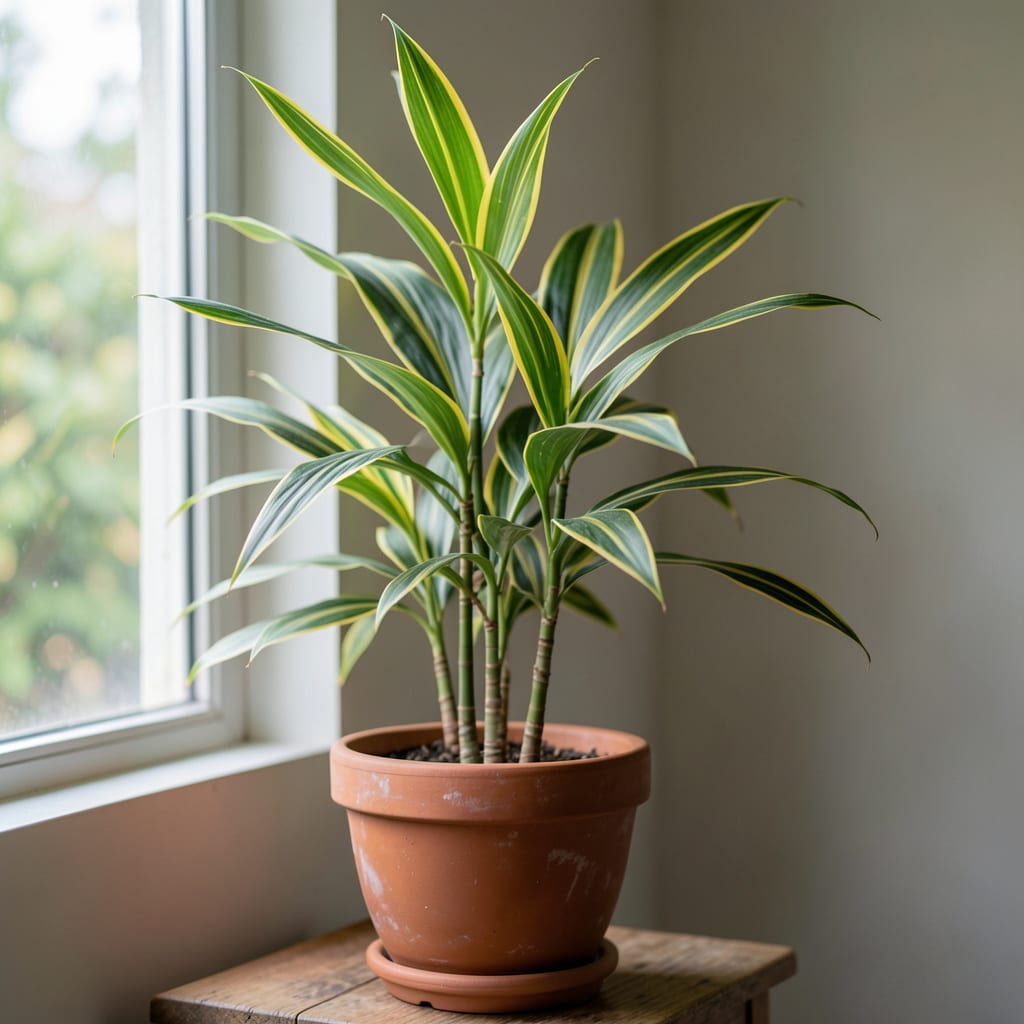
I’ve always been fascinated by the Mass Cane plant 🌿, known for its elegant, corn-like stalks and lush green leaves. To keep this beauty thriving, understanding its light requirements is crucial – too little or too much can be detrimental.
Let’s explore the ideal lighting conditions for your Mass Cane and how to provide the right amount of light in different settings, whether you’re in USDA Zone 6 or elsewhere.


I’ve found that Mass Cane plants are quite particular about their lighting conditions. They require bright indirect light to thrive, making them perfect for spaces with plenty of natural light that isn’t directly hitting the plant 🌿.
The ideal lighting for Mass Cane plants is typically between 4-6 hours of bright, indirect light per day. An east or west-facing window is perfect for providing the right amount of light without the harsh direct sun that can cause damage 🔥.
When it comes to Mass Cane plants, it’s essential to strike the right balance with lighting. Too little light can lead to weak and spindly growth, while too much can cause the leaves to become scorched 🔪.
Signs of improper lighting can be quite telling. If your Mass Cane is getting too little light, you might notice the leaves becoming pale or the plant stretching towards the light source. On the other hand, too much light can result in scorched leaves or brown spots 🍃.
To ensure your Mass Cane plant is getting the right amount of light, observe its leaves and growth patterns. Healthy Mass Cane plants typically have vibrant, green leaves and sturdy stalks 🌟.
Adjusting the lighting for your Mass Cane might be necessary as the seasons change. During the summer months, you may need to filter the sunlight to prevent scorching, while in the winter, you might need to supplement with grow lights to maintain the ideal light levels ❄️.
It’s also worth noting that Mass Cane plants can adapt to a range of light conditions, but optimal growth occurs within the bright indirect light range. This adaptability makes them a popular choice for various indoor settings 🌿.
For those new to caring for Mass Cane plants, understanding their lighting needs is a great starting point. With the right light, you’ll be well on your way to enjoying a healthy, thriving plant 🌻.
By paying attention to the lighting needs of your Mass Cane plant and making adjustments as necessary, you can ensure it remains a beautiful and vibrant addition to your indoor space for years to come 🌱.
In summary, providing 4-6 hours of bright indirect light is key to the health and happiness of your Mass Cane plant. With a little attention to its lighting needs, your plant will thrive and continue to be a stunning element of your home decor 🌸.
I’ve found that providing the right light for your Mass Cane plant is crucial for its health and vitality. To achieve this, you need to understand the ideal lighting conditions and how to adjust them according to your environment 🌿.
The key to optimal lighting is positioning your Mass Cane plant correctly. An east or west-facing window is ideal as it provides 4-6 hours of bright indirect light daily. This orientation helps avoid direct sunlight that can cause leaf scorch 🔥.
For optimal growth, rotate your Mass Cane plant every few days to ensure even light distribution. This prevents leaning and promotes balanced growth 🌱.
When natural light is insufficient, consider using grow lights to supplement your Mass Cane plant’s lighting needs. Position the grow lights at an appropriate distance to avoid burning the leaves, and adjust their duration to mimic natural daylight hours 💡.
Seasonal changes also affect the lighting your Mass Cane plant receives. During summer, you may need to filter the intense sunlight to prevent scorching, while in winter, you might need to increase the light duration using grow lights ❄️.
To maintain optimal light conditions, regularly check your plant’s response to its lighting. If you notice weak or spindly growth, it might be a sign that the light is insufficient. Conversely, if the leaves show signs of scorching, the light might be too intense 🌟.
By understanding and adjusting the lighting for your Mass Cane plant, you can create an optimal environment that supports its health and growth. This attention to detail will ensure your plant remains a vibrant and beautiful part of your indoor space 🌸.
In addition to proper lighting, maintaining a consistent environment will help your Mass Cane plant thrive. This includes monitoring temperature and humidity levels to ensure they are within the plant’s preferred range 🌿.
With the right care and attention to lighting, your Mass Cane plant will continue to be a stunning addition to your home. By following these tips, you’ll be well on your way to enjoying a healthy and thriving plant for years to come 🌱.
I’ve seen many well-meaning plant owners make critical lighting mistakes that can harm their Mass Cane plants. One common error is placing them in direct sunlight, which can cause leaf scorch and damage the plant’s appearance 🌿.
Another frequent mistake is not providing enough light, leading to weak and spindly growth. Mass Cane plants need bright indirect light to photosynthesize properly and maintain their vibrant foliage 🔥.
Avoid placing your Mass Cane plant in low-light areas or exposing it to direct sunlight for extended periods, as this can lead to poor health and damage 🌟.
Seasonal changes can also impact the lighting your Mass Cane plant receives. During summer, the intense sunlight may need to be filtered to prevent scorching, while in winter, supplemental lighting might be necessary to maintain optimal light levels ❄️.
To avoid these common mistakes, it’s essential to monitor your plant’s response to its lighting conditions. Look for signs of too little or too much light, such as pale leaves or brown spots, and adjust accordingly 🌸.
By being aware of these potential pitfalls and taking steps to avoid them, you can help your Mass Cane plant thrive and enjoy its beautiful foliage for years to come 🌱.
In summary, being mindful of the lighting needs of your Mass Cane plant and avoiding common mistakes will ensure it remains healthy and vibrant. With proper care, your plant will continue to be a stunning addition to your indoor space 🌻.
An east or west-facing window is perfect for Mass Cane plants as it provides 4-6 hours of bright indirect light daily. This direction helps avoid direct sunlight that can cause leaf scorch.
Yes, you can use grow lights to supplement your Mass Cane plant’s lighting needs, especially during winter months or in low-light environments. Position the grow lights at an appropriate distance to avoid burning the leaves.
You should monitor your plant’s response to its lighting and adjust as necessary, particularly during seasonal changes. Check for signs of too little or too much light, such as pale leaves or brown spots.
Too little light can cause weak and spindly growth with pale leaves, while too much light can result in leaf scorch or brown spots. Adjust the lighting accordingly to maintain optimal conditions.
