
Beautiful Plants For Your Interior
Beautiful Plants For Your Interior
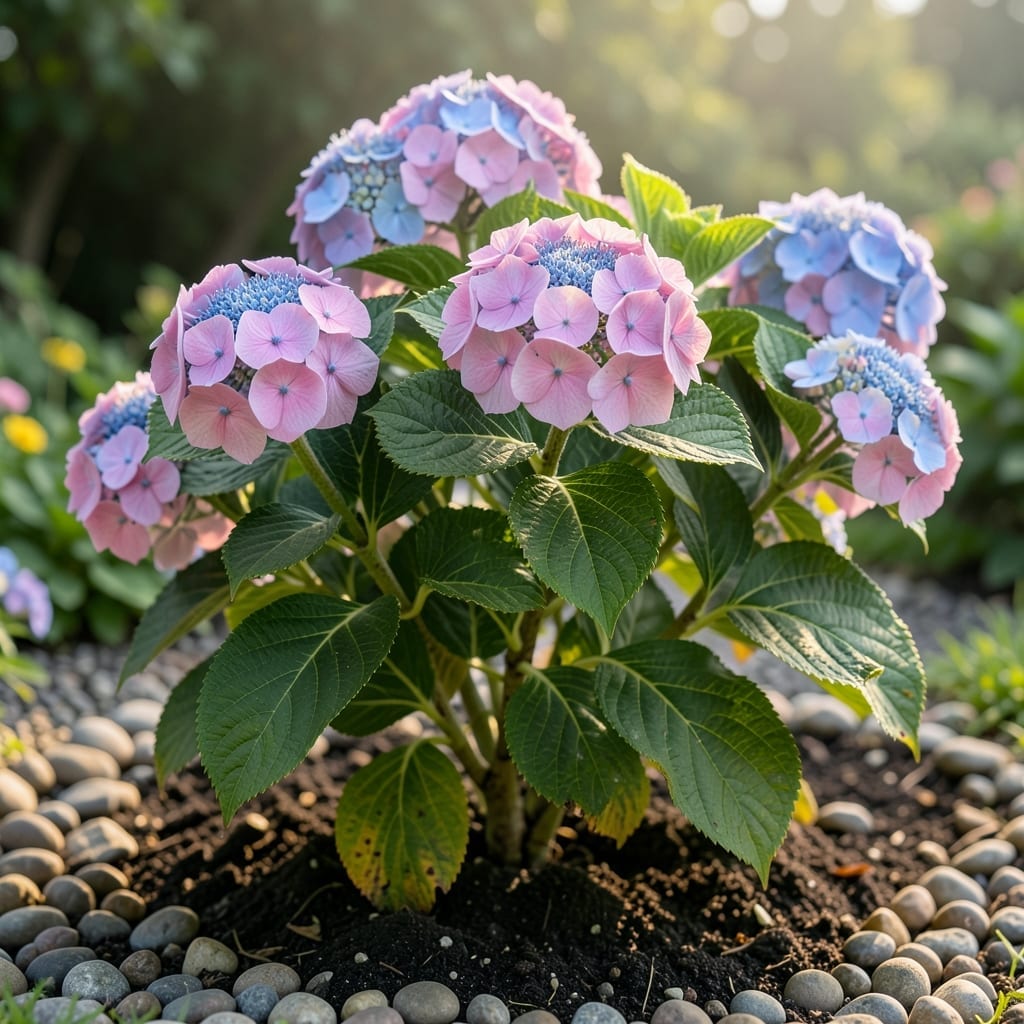
Hydrangeas are beloved for their stunning, voluminous blooms, but their light requirements can be a mystery even to experienced gardeners. Getting the sunlight balance right is key to vibrant, healthy flowers.
I’ve seen too many gardeners struggle with wilted or lackluster 🌸 Hydrangea when a simple light adjustment could make all the difference. The good news? You don’t need a green thumb to get this right.
Let me walk you through exactly how much light your Hydrangea needs to thrive, with practical tips that work for any climate or growing condition. The results will speak for themselves.
 Best Window Placement
Not all hydrangeas have the same sunlight needs. The most common types—bigleaf, panicle, oakleaf, and smooth—each thrive under slightly different conditions. I’ll break it down so you can give your plants the perfect amount of light.
Generally, bigleaf hydrangeas prefer partial shade, especially in hotter climates. They do best with morning sun and afternoon shade to protect their delicate blooms from scorching.
| header-cell” style=”background-color: #6fd544; color: #fff;”>Notes | body-cell”>4-6 hours morning sun | body-row”> | body-cell”>6+ hours full sun | body-row”> | body-cell”>4-6 hours sun | body-row”> | body-cell”>4-6 hours sun | Prefers partial shade in heat |
|---|
If you live in a cooler climate, your hydrangeas can handle more sun. In USDA zones 6 and below, even bigleaf varieties can tolerate full morning sun without issue. The key is observing your plants and adjusting as needed.
Panicle hydrangeas are the most sun-loving of the bunch. They can thrive in full sun (6+ hours daily) and still produce those gorgeous cone-shaped blooms. I’ve seen them flourish in open gardens with minimal shade.
For oakleaf hydrangeas, aim for dappled sunlight or partial shade. These native plants are adapted to woodland conditions, so they do best under tall trees or on the east side of buildings where they get gentle morning light.
Smooth hydrangeas (like Annabelle) are incredibly adaptable. They can handle full sun in cooler areas but need afternoon shade in hotter zones. If you notice their leaves wilting, it’s a sign they need protection from intense sunlight.
Remember, morning sun is always best for hydrangeas. It’s less intense and dries dew quickly, reducing the risk of fungal diseases. If your garden only gets harsh afternoon sun, consider planting in containers you can move to shadier spots.
In my experience, the biggest mistake gardeners make is giving hydrangeas too much direct afternoon sun. This can lead to scorched leaves and wilting blooms. If your plants look stressed, try adding a shade cloth or relocating them.
For container-grown hydrangeas, you have more control. I recommend placing pots where they get morning sun and then moving them to shade as the day heats up. This way, you can fine-tune their light exposure based on the season and weather.
Even with the best intentions, hydrangeas can show signs of light stress. I’ve found that yellowing leaves often appear when plants get too much sun, especially in hot climates.
Wilting blooms or stunted growth are classic red flags. If your hydrangea isn’t flowering as it should, it might need more sunlight to fuel those stunning blooms.
⚠️ Warning: Brown leaf edges or crispy foliage signal sunburn. Move your plant to partial shade immediately and water deeply to help it recover.
On the flip side, leggy stems with few leaves often mean your hydrangea is stretching for light. This is common in deep shade areas where sunlight is limited.
Another telltale sign is smaller or fewer blooms. Hydrangeas need adequate light to produce those big, vibrant flowers we love. Without it, they’ll focus on foliage instead.
If you notice leaf drop or premature wilting, check your plant’s light exposure. In my garden, I’ve seen hydrangeas perk up within days after adjusting their sunlight conditions.
Remember, the ideal light balance varies by hydrangea type. Bigleaf varieties can scorch in full sun, while panicle hydrangeas thrive in it. Always match the light to the plant’s needs.
✂️