
Beautiful Plants For Your Interior
Beautiful Plants For Your Interior
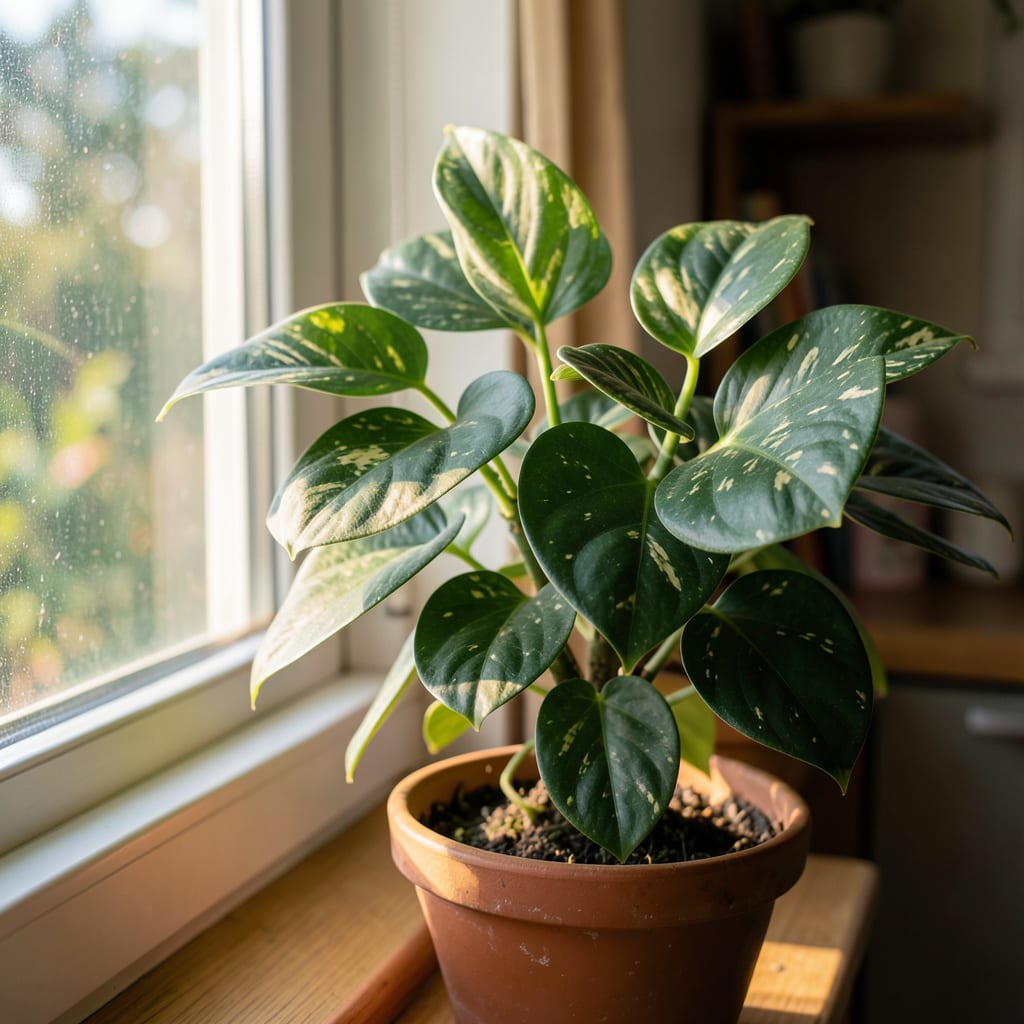
I’ve always been fascinated by the low-maintenance beauty of Hoya plants 🌱. To keep yours thriving, understanding its lighting needs is crucial. Too little light, and it won’t bloom; too much, and you’ll risk scorching those gorgeous leaves.
In USDA Zone 6, finding the perfect balance is key. Let’s explore how to provide your Hoya with the right amount of light for optimal growth and flowering.

I’ve found that understanding the lighting needs of Hoya plants is crucial for their optimal growth and blooming. Hoya plants are known for their beautiful, fragrant flowers and low-maintenance requirements, but getting their lighting right is essential.
Hoya plants generally prefer bright, indirect light, making them ideal for rooms with east- or west-facing windows. The ideal light intensity for Hoyas is 60% of normal daylight, which translates to about 4-6 hours of indirect light per day.
It’s worth noting that while Hoyas can tolerate low light conditions, they won’t bloom as profusely. On the other hand, direct sunlight can cause leaf scorch, so it’s essential to filter the light through a sheer curtain if placing them in a south-facing window.
To ensure your Hoya receives the right amount of light, observe its leaves: dark green leaves indicate sufficient light, while yellow or brown leaves may signal too much direct sunlight. Conversely, leggy growth or pale leaves can indicate insufficient light.
By understanding and providing the appropriate lighting conditions, you can encourage your Hoya plant to thrive and produce its signature fragrant blooms 🌼.
For optimal results, consider using grow lights during the winter months when natural light is scarce. This will help maintain the plant’s health and promote continuous growth.
Some Hoya varieties, like Hoya kerrii, are more tolerant of low light than others. However, most Hoyas will perform best in bright, indirect light.
When positioning your Hoya, avoid placing it in areas with direct sunlight for extended periods. Instead, opt for a spot that receives filtered or dappled light, such as near an east- or west-facing window.
By following these guidelines and adjusting the lighting to suit your Hoya’s needs, you’ll be rewarded with healthy growth and beautiful blooms.
Remember, the key to successful Hoya care is providing the right balance of light, water, and nutrients. With the right lighting conditions, your Hoya will flourish and become a stunning addition to your indoor garden 🌱.
I’ve found that providing the right amount of light for your Hoya plant is crucial for its optimal growth and blooming. To achieve this, you need to understand the ideal lighting conditions and how to replicate them in your home.
Hoya plants generally prefer bright, indirect light, making them ideal for rooms with east- or west-facing windows. The ideal light intensity for Hoyas is 60% of normal daylight, which translates to about 4-6 hours of indirect light per day 🌞.
To provide the right amount of light for your Hoya, place it near an east- or west-facing window where it can receive 4-6 hours of indirect light per day. You can also use grow lights during the winter months to supplement the natural light 🌟.
When positioning your Hoya, avoid placing it in areas with direct sunlight for extended periods. Instead, opt for a spot that receives filtered or dappled light, such as near an east- or west-facing window.
To ensure your Hoya receives the right amount of light, observe its leaves: dark green leaves indicate sufficient light, while yellow or brown leaves may signal too much direct sunlight. Conversely, leggy growth or pale leaves can indicate insufficient light 🌱.
You can also use sheer curtains to filter the light and prevent scorching. This is especially important if you have a south-facing window that receives direct sunlight for most of the day.
By following these guidelines and adjusting the lighting to suit your Hoya’s needs, you’ll be rewarded with healthy growth and beautiful blooms. Remember, the key to successful Hoya care is providing the right balance of light, water, and nutrients 🌼.
In addition to proper lighting, maintaining a consistent temperature and humidity level can also promote healthy growth and flowering. By providing the right conditions, you can enjoy your Hoya’s beautiful blooms for years to come.
Some Hoya varieties, like Hoya kerrii, are more tolerant of low light than others. However, most Hoyas will perform best in bright, indirect light, so it’s essential to research the specific needs of your plant.
I’ve seen many Hoya enthusiasts struggle with lighting issues, which can significantly impact their plant’s health and flowering. One of the most common mistakes is placing Hoyas in areas with either too little or too much light.
Avoid placing your Hoya in direct sunlight for extended periods, as this can cause leaf scorch and damage the plant. Similarly, be cautious of low light conditions, as they can lead to leggy growth and reduced flowering 🌟.
To avoid these common mistakes, it’s essential to understand the ideal lighting conditions for your Hoya. Most Hoyas prefer bright, indirect light, making east- or west-facing windows ideal locations.
Another critical aspect is to monitor your plant’s response to its lighting conditions. If you notice yellow or brown leaves, it may be a sign of too much direct sunlight. On the other hand, leggy growth or pale leaves can indicate insufficient light 🌱.
By being aware of these common lighting mistakes and taking steps to avoid them, you can help your Hoya thrive and enjoy its beautiful, fragrant blooms for years to come.
Some Hoya varieties are more sensitive to lighting conditions than others. For example, Hoya kerrii can tolerate low light, but most Hoyas will perform best in bright, indirect light.
To ensure optimal growth and flowering, consider using grow lights during the winter months when natural light is scarce. This will help maintain your Hoya’s health and promote continuous growth 🌼.
By following these guidelines and being mindful of your Hoya’s lighting needs, you’ll be well on your way to becoming a successful Hoya caregiver and enjoying the many rewards of growing these beautiful plants.
East- or west-facing windows are perfect for Hoya plants as they provide bright, indirect light. This direction offers 4-6 hours of gentle sunlight that promotes healthy growth and flowering. Avoid south-facing windows that can cause leaf scorch due to intense direct sunlight.
While Hoyas can survive in low light conditions, they won’t bloom as profusely. Some varieties like Hoya kerrii are more tolerant of low light than others. For optimal growth and flowering, provide bright, indirect light for 4-6 hours daily.
Observe your Hoya’s leaves: dark green leaves indicate sufficient light, while yellow or brown leaves may signal too much direct sunlight. Conversely, leggy growth or pale leaves can indicate insufficient light. Adjust the lighting accordingly to ensure optimal growth.
Yes, using grow lights during winter months can help supplement natural light and maintain your Hoya’s health. This is especially beneficial when natural light is scarce, ensuring continuous growth and promoting flowering.
