
Beautiful Plants For Your Interior
Beautiful Plants For Your Interior
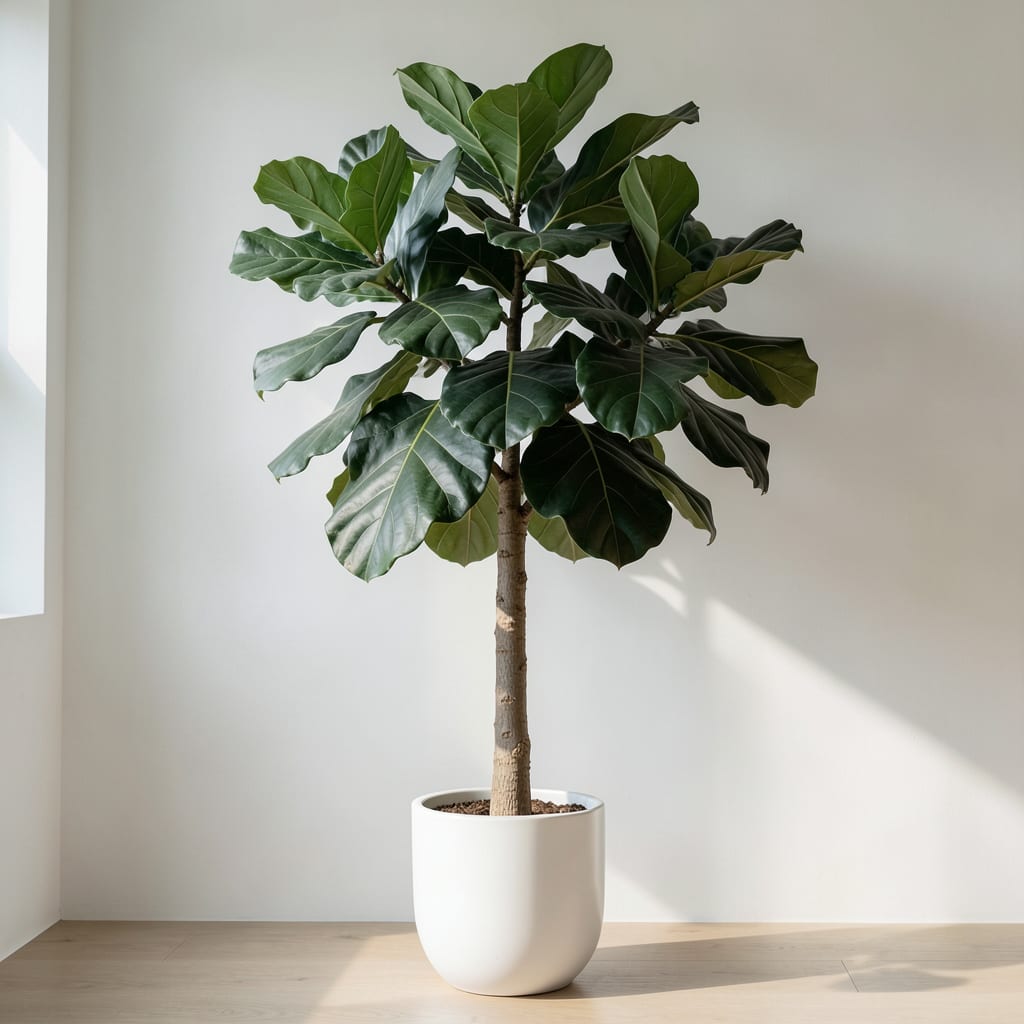
As a Ficus 🌳 owner, you’re probably wondering how much light your plant really needs. The answer isn’t as simple as “bright light” – different factors come into play.
I’ve learned that Ficus plants generally thrive in bright, indirect light, typically requiring 4-6 hours of it daily. Understanding this need is key to keeping your plant healthy and happy in your General location, USDA Zone 6.


Ficus plants are known for their adaptability to various lighting conditions, but understanding their specific needs is crucial for optimal growth. In their natural habitat, many ficus species grow under the canopy of larger trees, receiving filtered sunlight 🌳.
The ideal light conditions for ficus plants typically range from bright indirect light to moderate direct light. Most varieties thrive with 4-6 hours of bright, indirect light daily. However, some species like the Ficus elastica can tolerate lower light conditions, while others such as the Ficus benjamina prefer brighter light 🔥.
It’s essential to note that ficus plants native to tropical regions generally require more light than those from temperate zones. For instance, the Ficus lyrata (fiddle leaf fig) prefers more direct light compared to Ficus retusa, which can adapt to lower light levels. This variation highlights the importance of identifying your specific ficus species to determine its lighting needs.
To ensure your ficus plant receives the right amount of light, consider factors such as window orientation, time of day, and seasonal changes. East- or west-facing windows typically provide the ideal bright, indirect light for most ficus varieties 🌟.
Key factors affecting ficus lighting needs include the plant’s natural habitat, species-specific requirements, and environmental conditions. Understanding these elements helps in creating an optimal lighting environment for your ficus plant.
In addition to natural light, supplemental lighting can be used to meet the ficus plant’s needs, especially during periods of low natural light. Options include LED grow lights and fluorescent lights, which can be adjusted to provide the necessary spectrum and intensity for healthy growth 💡.
Monitoring your ficus plant’s response to its lighting conditions is crucial. Signs of insufficient light include leggy growth and pale leaves, while too much light can cause leaf scorch. Adjusting the plant’s position or supplementing with artificial light can help achieve the perfect balance.
By understanding and meeting the specific lighting requirements of your ficus plant, you can promote healthy growth and enjoy the beauty of your plant for years to come 🌿.
Regularly assessing and adjusting the lighting for your ficus plant ensures it remains healthy and thrives in its environment. This attention to detail is key to successful ficus plant care 📝.
Providing the right amount of light for your ficus plant is crucial for its health and growth. I recommend placing your ficus near an east- or west-facing window to achieve the ideal bright, indirect light. This orientation provides 4-6 hours of gentle, indirect sunlight that most ficus varieties prefer 🌞.
When positioning your ficus, consider the time of day and seasonal changes that affect light intensity. For example, during peak summer months, you may need to filter the light with a sheer curtain to prevent leaf scorch 🔥.
Rotate your ficus plant every 1-2 weeks to ensure even light distribution and prevent uneven growth.
If natural light is limited, consider using supplemental lighting such as LED grow lights or fluorescent lights. These can be adjusted to provide the necessary spectrum and intensity for healthy growth 💡.
Key factors to consider when providing light include the plant’s distance from the light source, the duration of light exposure, and the intensity of the light. Adjusting these factors can help create an optimal lighting environment for your ficus plant.
Monitoring your ficus plant’s response to its lighting conditions is essential. Signs of insufficient light include leggy growth and pale leaves, while too much light can cause leaf scorch. Adjusting the plant’s position or supplementing with artificial light can help achieve the perfect balance 🌿.
By understanding and meeting the specific lighting needs of your ficus plant, you can promote healthy growth and enjoy the beauty of your plant for years to come 📝.
Regularly assessing and adjusting the lighting for your ficus plant ensures it remains healthy and thrives in its environment. This attention to detail is key to successful ficus plant care 🌱.
When caring for ficus plants, it’s easy to make lighting mistakes that can negatively impact their health. One common error is placing them in low-light conditions for extended periods. While some ficus varieties can tolerate low light, most require bright, indirect light to thrive 🌿.
Avoid placing ficus plants in direct sunlight for prolonged periods, as this can cause leaf scorch and damage the plant.
Another mistake is not adjusting the plant’s position according to seasonal changes. As the sun’s position changes throughout the year, the light intensity and duration can vary significantly. Failing to adjust can result in either too much or too little light 🔥.
Key mistakes to avoid include placing ficus plants too close to direct sunlight, not providing enough light, and failing to rotate the plant for even light distribution. Being aware of these potential pitfalls can help you provide better care for your ficus plant.
To ensure your ficus plant receives the right amount of light, consider using supplemental lighting during periods of low natural light. Options include LED grow lights and fluorescent lights, which can be adjusted to provide the necessary spectrum and intensity for healthy growth 💡.
Monitoring your ficus plant’s response to its lighting conditions is crucial. Signs of insufficient light include leggy growth and pale leaves, while too much light can cause leaf scorch. Adjusting the plant’s position or supplementing with artificial light can help achieve the perfect balance 🌱.
By avoiding common lighting mistakes and understanding the specific needs of your ficus plant, you can promote healthy growth and enjoy the beauty of your plant for years to come 📝.
East- or west-facing windows are best for ficus plants as they provide bright, indirect light for 4-6 hours daily. This gentle light promotes healthy growth and maintains vibrant foliage .
Ficus plants can tolerate some direct sunlight, but prolonged exposure can cause leaf scorch. If you have a south-facing window, consider using a sheer curtain to filter the light .
Rotate your ficus plant every 1-2 weeks to ensure even light distribution and prevent uneven growth. This simple step helps maintain the plant’s natural symmetry .
Yes, you can use LED grow lights or fluorescent lights to supplement natural light, especially during periods of low light. Adjust the lighting to provide the necessary spectrum and intensity for healthy growth .
