
Beautiful Plants For Your Interior
Beautiful Plants For Your Interior
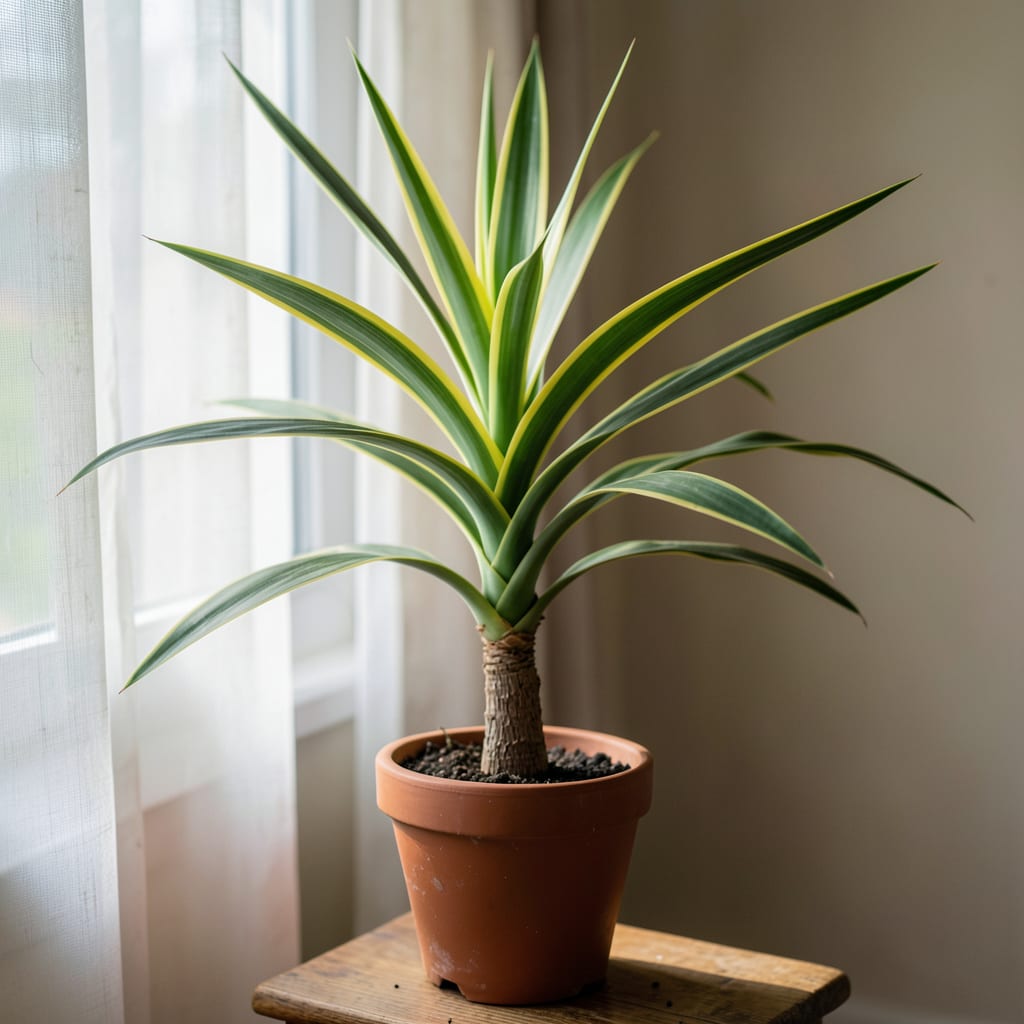
As I care for my Dracaena 🌿 plants, I’ve learned that understanding their light needs is crucial. Too little or too much light can affect their growth and overall health.
In this guide, I’ll share expert tips on providing the right amount of light for your Dracaena, helping you create an ideal environment for it to thrive in your home or office in USDA Zone 6.


Dracaena plants are known for their adaptability to various lighting conditions, but they still have specific light needs for optimal growth. Understanding these requirements is crucial for maintaining their health and appearance 🌿.
I recommend providing your Dracaena with bright, indirect light for best results. While they can tolerate low light, their growth may slow, and their leaves may become less vibrant. Direct sunlight can cause leaf scorch, so it’s essential to filter the light if placing them near a sunny window 🔥.
The ideal light level for Dracaena plants is bright, indirect light, which promotes healthy growth and maintains their vibrant foliage. East- or west-facing windows are perfect for providing the right amount of light without the harsh direct sun of midday 🔆.
Some Dracaena varieties can tolerate lower light conditions better than others. For example, Dracaena marginata and Dracaena fragrans are known for their ability to thrive in low-light environments, making them ideal for offices or rooms with limited natural light 💡.
To ensure your Dracaena receives the right amount of light, observe its response to its current lighting conditions. If the leaves are yellowing or scorched, it may be getting too much light. Conversely, if the leaves are leggy or pale, it might not be getting enough light 🌟.
Adjusting the lighting for your Dracaena can be as simple as moving it to a different location or using grow lights to supplement natural light. For homes in USDA Zone 6, placing Dracaena near an east- or west-facing window can provide the ideal light conditions without the risk of direct sun exposure 🌿.
By understanding and meeting your Dracaena’s light requirements, you can enjoy a healthier, more vibrant plant that enhances your indoor space for years to come. Regularly checking your plant’s response to its lighting conditions and making adjustments as needed will help ensure it thrives 🌻.
Providing the right amount of light is just one aspect of caring for your Dracaena. Combining appropriate lighting with proper watering and fertilization will result in a robust and beautiful plant that brings joy and freshness to your home or office 🌱.
For more specific advice tailored to your Dracaena variety and local growing conditions, consider consulting with a local gardening expert or referencing detailed care guides for your specific plant type 📚.
By following these guidelines and paying attention to your plant’s needs, you can create an optimal environment for your Dracaena to flourish, enjoying its beauty and benefits for years to come 🌼.
To ensure your Dracaena thrives, it’s essential to provide the right amount of light. I recommend placing your Dracaena in a spot with bright, indirect light, such as an east- or west-facing window 🌞.
When positioning your Dracaena, consider the following factors: the direction of the window, the time of day, and the season. For example, a north-facing window can provide gentle, indirect light year-round, while a south-facing window may require filtering the light during peak hours 🌟.
Rotate your Dracaena regularly to ensure even light distribution and prevent uneven growth 🌱.
If you can’t provide natural light, consider using grow lights to supplement the lighting. LED grow lights are a great option as they provide the necessary spectrum for plant growth without generating excessive heat 💡.
Keep an eye on your Dracaena’s response to its lighting conditions. If the leaves are yellowing or scorched, it may be getting too much light. Conversely, if the leaves are leggy or pale, it might not be getting enough light 🔍.
By providing the right amount of light and adjusting as needed, you can help your Dracaena thrive and enjoy its beautiful foliage for years to come 🌿.
For more specific advice on caring for your Dracaena, including tips on watering and fertilization, consider consulting with a local gardening expert or referencing detailed care guides for your specific plant type 📚.
By following these guidelines and paying attention to your plant’s needs, you can create an optimal environment for your Dracaena to flourish 🌼.
Dracaena plants can experience several light-related issues that affect their health and appearance. One common problem is leaf scorch, which occurs when the plant receives too much direct sunlight 🌟.
To identify if your Dracaena is suffering from too much light, look for yellowing or browning leaves. If you notice these symptoms, consider moving the plant to a location with filtered or indirect light 🔥.
Too much direct sunlight can cause irreversible damage to your Dracaena’s leaves. Monitor your plant’s condition and adjust its position accordingly 🌿.
On the other hand, if your Dracaena is not receiving enough light, it may develop leggy or pale leaves. To address this issue, you can supplement with grow lights or move the plant to a brighter location 💡.
Some Dracaena varieties are more tolerant of low light conditions than others. For example, Dracaena marginata and Dracaena fragrans can thrive in low-light environments, making them ideal for offices or rooms with limited natural light 🌿.
To ensure your Dracaena receives the right amount of light, observe its response to its current lighting conditions and make adjustments as needed. Regularly checking your plant’s condition will help you identify any potential issues early on 🔍.
By understanding the common light-related issues that can affect Dracaena plants and taking steps to address them, you can help your plant thrive and enjoy its beautiful foliage for years to come 🌱.
East- or west-facing windows are perfect for Dracaena plants as they provide bright, indirect light without the harsh direct sun of midday. This helps promote healthy growth and maintains their vibrant foliage.
Yes, Dracaena plants can tolerate low light conditions, but their growth may slow, and their leaves may become less vibrant. Some varieties like Dracaena marginata and Dracaena fragrans are more tolerant of low light than others.
Observe your plant’s response to its lighting conditions. If the leaves are yellowing or scorched, it’s getting too much light. If the leaves are leggy or pale, it might not be getting enough light. Adjust the lighting accordingly to ensure optimal growth.
Yes, you can use grow lights to supplement natural light for your Dracaena. LED grow lights are a great option as they provide the necessary spectrum for plant growth without generating excessive heat. This helps maintain healthy foliage and promotes growth.
