
Beautiful Plants For Your Interior
Beautiful Plants For Your Interior
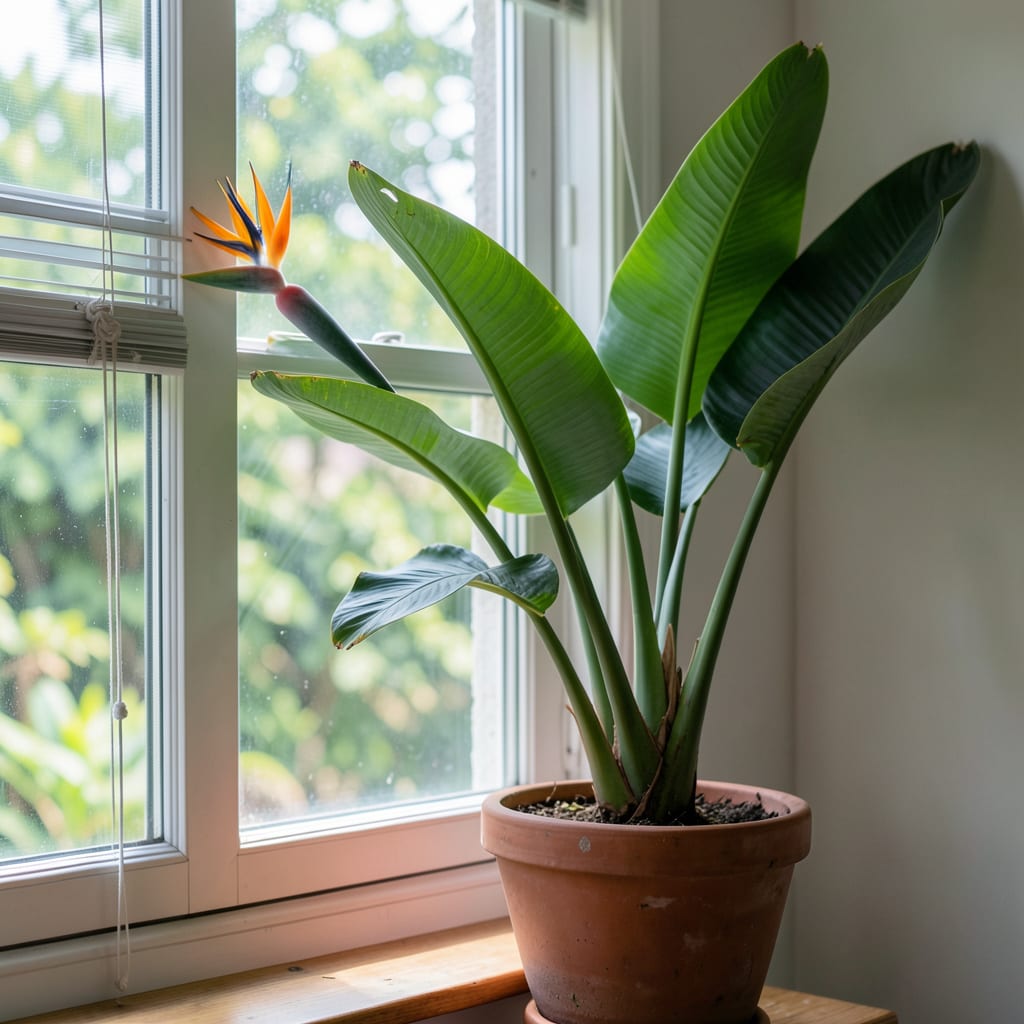
As I care for my Bird of Paradise 🐦, I’ve learned that light is crucial for its stunning blooms. Without the right amount, it simply won’t flower.
So, how much light does it actually need? The Bird of Paradise thrives in full sun to partial shade, requiring at least 6 hours of direct sunlight or bright indirect light daily to grow and bloom beautifully.

The Bird of Paradise plant is known for its stunning flowers that resemble a bird’s beak and plumage, but getting it to bloom requires understanding its specific light requirements. I’ve found that providing the right amount of light is crucial for healthy growth and flowering 🌟.
Bird of Paradise plants thrive in full sun to partial shade, requiring at least 6 hours of direct sunlight or bright indirect light daily. This light requirement is essential for promoting healthy growth and encouraging the plant to produce its characteristic flowers 🌻.
When growing Bird of Paradise plants, it’s essential to consider their light requirements. In their natural habitat, these plants are often exposed to full sun, which they thrive in. However, when grown indoors or in areas with intense sunlight, some shade may be necessary to prevent leaf scorch 🌿.
For indoor plants, a south-facing window is ideal as it provides the most direct sunlight throughout the day. If this isn’t possible, an east or west-facing window can be a good alternative, though you may need to position the plant closer to the window or use supplemental lighting 💡.
Outdoors, choose a location that receives full sun to partial shade. Be mindful of the intense midday sun, which can cause leaf scorch in some regions. Providing some afternoon shade can help protect the plant 🌞.
One of the key factors in ensuring your Bird of Paradise receives the right amount of light is to monitor its response. If the plant is not producing flowers, it may need more light. Conversely, if the leaves are scorched, it might be getting too much direct sunlight 🔍.
Adjusting the plant’s position or providing supplemental lighting can help achieve the optimal light conditions. For example, moving the plant to a brighter location or using grow lights can encourage flowering and healthy growth 🌱.
It’s also worth noting that light requirements can vary depending on the plant’s stage of growth. Young plants may require less intense light compared to mature plants that are ready to bloom 🌟.
By understanding and meeting the light requirements of your Bird of Paradise, you can enjoy its beautiful flowers and lush foliage. Providing the right amount of light is a crucial step in caring for this exotic and rewarding plant 🌻.
In summary, the Bird of Paradise needs 6+ hours of direct sunlight or bright indirect light to thrive. Adjusting its placement and potentially using supplemental lighting can help achieve these conditions, promoting healthy growth and flowering 🌞.
By following these guidelines and being attentive to your plant’s needs, you can create an optimal environment for your Bird of Paradise to flourish 🌿.
The amount and type of light your Bird of Paradise receives has a direct impact on its flowering and overall growth. I’ve observed that plants receiving optimal light conditions show significantly better development 🌿.
Bird of Paradise plants require bright light to produce their characteristic flowers. In low light conditions, the plant may not bloom at all, or it may produce fewer and smaller flowers 💐.
Bird of Paradise plants can adapt to different light conditions, but their flowering is significantly enhanced with 6+ hours of direct sunlight or bright indirect light daily ☀️.
Insufficient light can lead to weak and spindly growth, while excessive direct sunlight can cause leaf scorch. Finding the right balance is key to promoting healthy growth and flowering 🌻.
When grown in full sun, Bird of Paradise plants tend to produce more flowers and have more robust foliage. However, in areas with very intense sunlight, some afternoon shade can help prevent leaf damage 🌞.
Partial shade is suitable for indoor plants or in regions with very hot summers. It reduces the risk of leaf scorch while still providing enough light for the plant to thrive 🌿.
Monitoring your plant’s response to light is crucial. If it’s not producing flowers, consider increasing its light exposure. Conversely, if the leaves show signs of scorching, some shade may be necessary 🔍.
By understanding how light affects your Bird of Paradise, you can make informed decisions about its placement and care, ensuring it receives the right amount of light for optimal growth and flowering 🌱.
In my experience, using supplemental lighting like grow lights can be beneficial, especially during the winter months or in low-light environments, to maintain the plant’s health and encourage flowering 💡.
Overall, providing the right light conditions is a critical aspect of caring for your Bird of Paradise, directly influencing its ability to produce those stunning flowers 🌟.
To ensure your Bird of Paradise thrives, it’s essential to provide the right amount of light. I’ve found that understanding the plant’s light requirements is crucial for promoting healthy growth and flowering 🌟.
Here are some practical tips for providing optimal light to your Bird of Paradise:
Place your Bird of Paradise near a South-Facing Window to maximize direct sunlight exposure. If this isn’t possible, an East or West-Facing Window can be a good alternative.
Consider using grow lights during the winter months or in low-light environments to maintain the plant’s health and encourage flowering 💡.
Adjust the plant’s position seasonally to account for changes in sunlight direction and intensity. This will help ensure it receives consistent light throughout the year 🌞.
By following these tips, you can create an optimal environment for your Bird of Paradise to flourish.
In my experience, being attentive to your plant’s needs and making adjustments accordingly is key to enjoying the beautiful flowers and lush foliage of your Bird of Paradise 🌻.
Providing the right amount of light is a crucial step in caring for this exotic and rewarding plant. With the right conditions, your Bird of Paradise will thrive and reward you with stunning blooms 🌟.
Bird of Paradise plants prefer bright light but can tolerate some shade. However, low light conditions may lead to weak growth and fewer flowers. For optimal growth, provide 6+ hours of direct sunlight or bright indirect light daily.
A south-facing window is ideal for Bird of Paradise plants as it provides the most direct sunlight. East or west-facing windows can be alternative options, though you may need to position the plant closer to the window or use supplemental lighting.
Adjust your Bird of Paradise plant’s position seasonally to account for changes in sunlight direction and intensity. This ensures it receives consistent light throughout the year.
Yes, using grow lights can be beneficial, especially during winter months or in low-light environments, to maintain the plant’s health and encourage flowering. This supplemental lighting helps provide the necessary light for optimal growth.
