
Beautiful Plants For Your Interior
Beautiful Plants For Your Interior
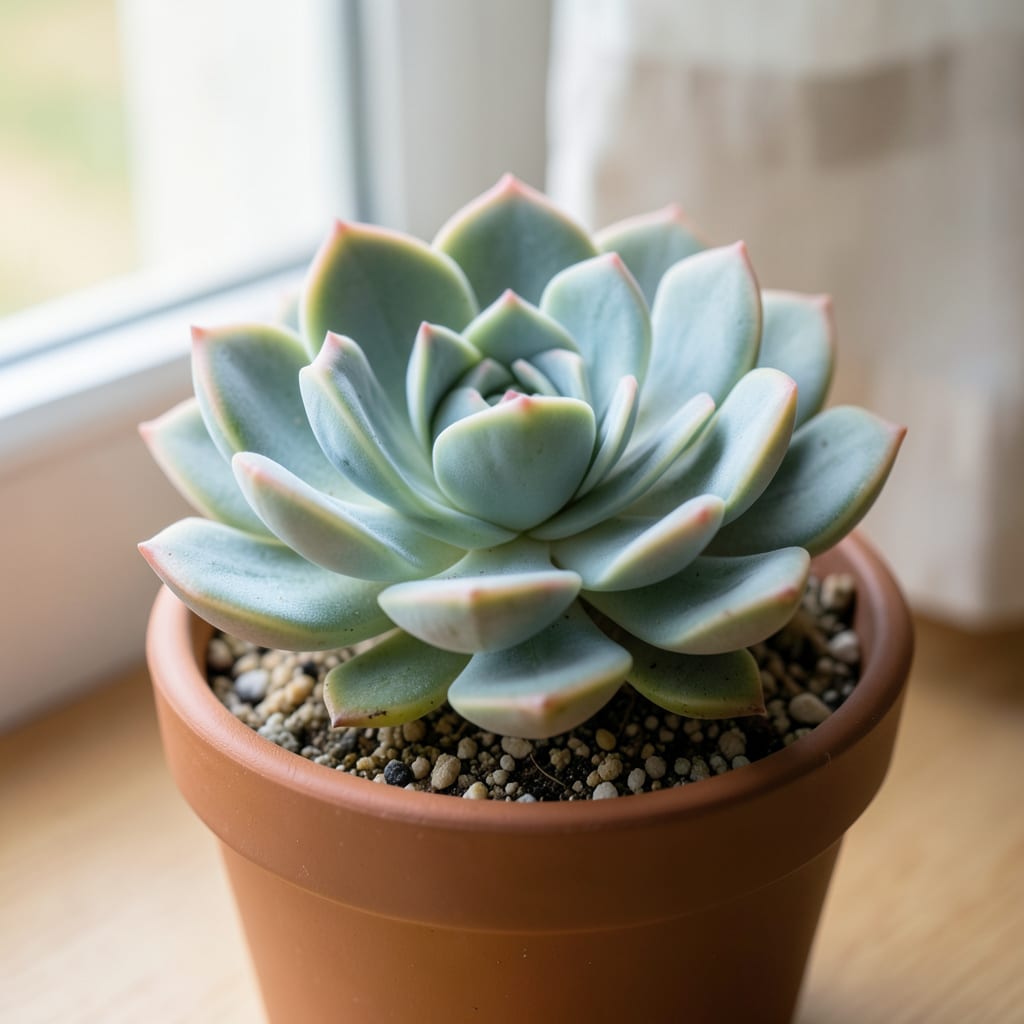
If your 🌵 succulents look more like sad, stretched-out strings than plump, vibrant plants, light might be the culprit. I’ve seen too many gardeners assume these desert natives can thrive anywhere—only to watch them struggle in dim corners or crisp under harsh sun.
The truth? Succulents need a perfect balance—not just any light, but the right amount and intensity. Let me show you exactly how to nail that sweet spot, whether you’re growing them indoors or out. Your plants will thank you with their best colors and shapes yet.

If you’ve ever watched your succulents stretch toward the window like they’re desperate for sunlight, you know light is everything. Most succulents need 6+ hours of bright light daily, but the exact amount depends on the variety and whether they’re indoors or outside. Let’s break it down.
Outdoor succulents typically thrive in full sun, while indoor varieties often do best with bright, indirect light. Some, like Haworthia or Gasteria, can tolerate lower light, but Echeveria and Sedum demand more intensity. The key is matching the light to the species.
| Variety | Indoor Light Needs | Outdoor Light Needs |
|---|---|---|
| Echeveria | 6+ hours bright indirect | Full sun to partial shade |
| Haworthia | 4-6 hours indirect | Partial shade |
| Sedum | 6+ hours direct | Full sun |
| Aloe Vera | Bright indirect light | Partial sun |
| Jade Plant | 4+ hours direct | Full sun |
Indoors, a south-facing window is your best bet for most succulents. If you don’t have one, east-facing windows work for varieties like Haworthia or Snake Plant, which tolerate lower light. North-facing windows are usually too dim unless you supplement with grow lights.
Outdoors, morning sun is gentler and ideal for most succulents, while afternoon sun can scorch delicate varieties like Echeveria. In hot climates, provide partial shade during peak hours (12 PM–4 PM) to prevent sunburn. Use shade cloth if needed.
Seasonal changes matter too. In winter, succulents need maximum light to compensate for shorter days. Move indoor plants closer to windows or increase grow light duration to 12–14 hours. In summer, watch for leaf scorch—acute signs include brown, crispy patches.
If you’re using grow lights, opt for full-spectrum LEDs with a color temperature of 6500K. Position lights 6–12 inches above plants and run them for 12–16 hours daily. Rotate pots weekly to ensure even growth and prevent leaning.
For outdoor succulents, acclimation is critical. Gradually introduce them to direct sun over 7–10 days to avoid shock. Start with 2–3 hours of morning sun, then increase by an hour daily. This is especially important for newly propagated or purchased plants.
Remember, light needs vary by species. Desert natives like Agave or Barrel Cactus crave intense sun, while tropical succulents such as Hoya or String of Pearls prefer brighter indirect light. Always research your specific plant’s native habitat for clues.
Finally, observe your plants regularly. Stretching (etiolation) means they need more light, while bleached or brown spots indicate too much. Adjust placement accordingly, and don’t forget to rotate pots every few weeks for balanced growth. ☀️
If you’ve ever wondered why your succulents look leggy or their colors fade, light is almost always the culprit. Most succulents thrive with 6+ hours of bright light daily, but the exact needs vary by type. Outdoor succulents like Echeveria and Sedum adore full sun, while indoor varieties such as Haworthia prefer bright, indirect light to avoid scorch. ☀️
Indoors, a south-facing window is your best bet for mimicking their natural desert habitat. If your space lacks natural light, don’t worry—grow lights can bridge the gap. Just remember: intensity matters more than duration. A dim light for 12 hours won’t cut it, but 6 hours of strong light will keep them compact and colorful. 🌱
| Variety | Ideal Light (Indoor) | Ideal Light (Outdoor) |
|---|---|---|
| Echeveria | 6+ hours bright indirect | Full sun |
| Haworthia | 4-6 hours indirect | Partial shade |
| Sedum | 6+ hours direct | Full sun |
| Aloe Vera | Bright indirect | Partial sun |
| Jade Plant | 4+ hours direct | Full sun |
*Rotate pots weekly for even growth. Reduce light by 30% in winter.
Outdoors, morning sun is gentler than harsh afternoon rays, which can burn delicate leaves. If you’re in a hot climate, provide light shade during peak hours (12–3 PM). For indoor succulents, keep them within 12 inches of a window—or 6 inches under grow lights—to prevent stretching. 🌡️
Seasonal changes demand adjustments too. In winter, succulents enter dormancy and need less light. Move them closer to windows or supplement with grow lights for 10–12 hours/day. Come summer, watch for leaf discoloration—a sign they’re getting too much direct heat. A sheer curtain can act as a perfect sun filter. ✂️
If you’re growing succulents under artificial lights, opt for LED grow lights with a 6500K color temperature. Position them 6–12 inches above plants and run for 12–14 hours daily. This mimics the desert’s long daylight hours, keeping your succulents tight and colorful year-round. 🪴
Remember, light needs shift as plants mature. Seedlings require gentler light, while established succulents can handle more intensity. Observe your plants weekly—compact growth and vibrant colors mean you’ve nailed the balance. If leaves start pointing downward, they’re begging for more light! 🌿
If you’ve ever wondered why your succulents look leggy or their colors fade, light is almost always the culprit. Most succulents thrive with 6+ hours of bright light daily, but the ideal amount varies by species. Outdoor succulents like Sedum and Agave adore full sun, while indoor varieties such as Haworthia prefer bright, indirect light.
Indoors, a south-facing window is your best friend—it provides the intense, consistent light that mimics desert conditions. If you’re growing succulents under grow lights, aim for 12-14 hours of exposure with a 6500K spectrum to encourage compact growth. Outdoor plants, however, need protection from scorching midday sun in summer.
| Succulent Type | Ideal Light (Indoor) | Ideal Light (Outdoor) | Notes |
|---|---|---|---|
| Echeveria | 6+ hours bright indirect | Full sun to partial shade | Needs protection from harsh afternoon sun. |
| Haworthia | 4-6 hours bright indirect | Partial shade | Tolerates lower light but grows slower. |
| Sedum | 6+ hours direct | Full sun | Thrives in intense light; great for rock gardens. |
| Aloe Vera | 6+ hours bright indirect | Full sun to partial shade | Loves warmth; reduce water in winter. |
| Jade Plant | 4-6 hours direct | Full sun | Can handle less light but grows best with more. |
Seasonal changes demand adjustments too. In winter, succulents enter dormancy and need less light—supplement with grow lights if days are short. Come summer, outdoor plants may need shade cloth to prevent sunburn, especially in zones with intense UV rays like Arizona or Texas.
Watch for etiolation (stretching toward light) or bleached leaves (too much sun). If your succulent’s colors fade, it’s begging for more light. Rotate pots weekly to ensure even exposure, and remember: gradual changes in light conditions prevent shock. A happy succulent is a compact, vibrant one! 🌵
For indoor growers, LED grow lights are a game-changer. Place them 6-12 inches above plants and set a timer for consistency. If you notice your succulents leaning toward the window, it’s time to increase light intensity or duration. Outdoor plants, meanwhile, benefit from morning sun and afternoon shade in hot climates.
Finally, don’t forget that light needs shift as succulents mature. Young plants are more sensitive to direct sun, while established ones can handle more. Keep an eye on new growth—if it’s smaller or paler than older leaves, your lighting setup likely needs tweaking. ☀️
A south-facing window is ideal, as it provides the brightest, most consistent light. East-facing works too, offering gentle morning sun. Avoid north-facing windows—they’re often too dim for most varieties.
If you only have west-facing windows, use sheer curtains to filter the intense afternoon sun.
Some varieties like Haworthia or Zamioculcas tolerate lower light, but most will stretch or weaken over time. If your space is dim, supplement with grow lights for 12-14 hours daily.
Watch for pale, elongated growth—it’s a sign your plant is struggling.
Move the plant to a spot with bright, indirect light immediately. Trim severely damaged leaves with clean scissors. Over time, healthy new growth will replace the burnt areas.
Acclimate outdoor plants gradually to prevent future burns.
Yes! In winter, succulents need less light as they enter dormancy. In summer, protect them from harsh midday sun, especially in hot climates. Adjust grow light timers seasonally too.
Rotate pots monthly to ensure even exposure year-round.
