
Beautiful Plants For Your Interior
Beautiful Plants For Your Interior
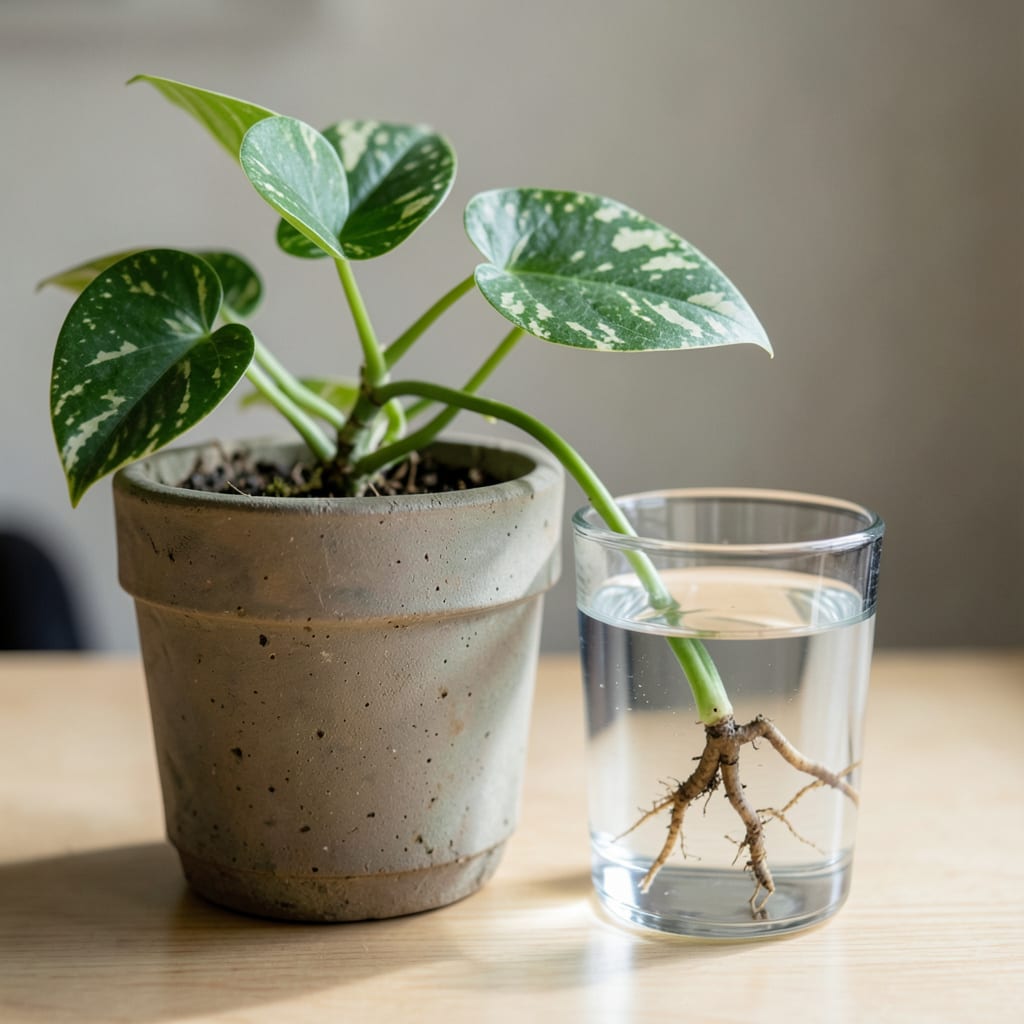
I’ve learned that successful plant propagation starts with understanding the light requirements for cuttings ✂️. Improper lighting can make or break root development, so getting it right is crucial for healthy growth.
When it comes to providing the right amount of light for your Cutting, the key is finding that perfect balance – too little light can lead to weak growth, while too much can cause scorching. Let’s explore the ideal lighting conditions for your cuttings to thrive.


Understanding the light requirements for different types of plant cuttings is crucial for successful propagation. Various plants have unique needs when it comes to light intensity and duration.
The type of cutting you’re working with significantly impacts its light requirements. For instance, softwood cuttings generally require more light than hardwood cuttings. Let’s explore the specific needs of different cutting types.
Softwood cuttings, taken from the soft, new growth of plants, typically require bright, indirect light for optimal rooting. Examples include cuttings from plants like rosemary and lavender. These cuttings thrive in conditions with 12-14 hours of light per day.
Hardwood cuttings, on the other hand, are taken from mature, woody stems and generally require less light. They prefer moderate light conditions with around 8-10 hours of light daily. Examples of plants that can be propagated using hardwood cuttings include apple trees and grapevines.
Semi-hardwood cuttings fall somewhere in between, requiring partial shade to bright, indirect light. The ideal duration for these cuttings is typically between 10-12 hours of light per day. Plants like camellias and rhododendrons are often propagated using semi-hardwood cuttings.
It’s essential to research the specific light needs of the plant species you’re working with, as requirements can vary significantly 🌿.
Some plants, like succulents and cacti, can tolerate more direct sunlight, while others, such as fern and peace lily cuttings, prefer shadier conditions.
The duration of light exposure is also critical. Most cuttings benefit from a consistent light-dark cycle, which helps regulate their growth and development.
To ensure optimal rooting, it’s crucial to provide the right light intensity. Too little light can result in weak, leggy growth, while too much can cause scorching or stress to the cutting.
By understanding and meeting the specific light requirements of your plant cuttings, you can significantly improve their chances of successful rooting and healthy growth 🌱.
Light intensity plays a crucial role in root development for plant cuttings. The right amount of light can significantly impact the success of root formation.
When it comes to light intensity, different plants have varying requirements. Some cuttings thrive in bright, indirect light, while others prefer partial shade. Understanding these needs is essential for optimal rooting.
Light intensity affects root development through photosynthesis and hormone regulation. Proper light conditions can enhance root growth and overall plant health 🌱.
The intensity of light directly influences the rate of photosynthesis in cuttings. Higher light intensities can lead to increased photosynthesis, promoting healthy growth and root development.
However, it’s essential to strike a balance. Too much light can cause stress and potentially damage the cutting, while too little light may result in weak and leggy growth.
Photosynthesis is critical for root development as it provides the necessary energy for growth. Cuttings with adequate light can produce more carbohydrates, which are then used to fuel root formation.
In addition to photosynthesis, light intensity also affects hormone regulation within the plant. Hormones such as auxins play a key role in root development, and their distribution is influenced by light exposure.
By understanding how light intensity impacts root development, you can better manage the conditions for your plant cuttings, ensuring they receive the optimal amount of light for successful propagation 🌿.
Adjusting light intensity according to the specific needs of your cuttings can significantly improve their chances of developing strong, healthy roots.
Monitoring and adjusting light conditions is a critical step in the propagation process, helping to ensure the best possible outcomes for your plants.
I’ve found that providing the right light conditions for plant cuttings is crucial for their successful propagation. Let’s explore some practical tips to ensure your cuttings receive the optimal amount of light.
When it comes to lighting, there are several factors to consider. The type of light, its intensity, and the duration of exposure all play significant roles in the development of healthy roots.
Place cuttings near an east- or west-facing window for bright, indirect light. Avoid direct sunlight, which can cause scorching 🌞.
If natural light is insufficient, consider using grow lights. Position them 6-12 inches above the cuttings and adjust the duration according to the plant’s needs 💡.
Ensure a consistent light-dark cycle to promote healthy growth. Most cuttings benefit from 12-14 hours of light per day ⏰.
By following these practical tips, you can create an optimal lighting environment for your plant cuttings, enhancing their chances of successful rooting and healthy growth 🌱.
It’s also important to monitor your cuttings regularly and adjust their lighting conditions as needed. This might involve moving them to a different location or adjusting the duration of supplemental lighting.
Remember, the key to successful propagation is providing the right conditions for your specific plants. Research their unique needs and tailor your approach accordingly 📚.
With the right lighting, your plant cuttings will have the best possible start in life, setting them up for strong, healthy growth in the future 🌿.
Most plant cuttings require 12-14 hours of light per day for optimal rooting. This duration helps regulate their growth and development. Some plants may need more or less light, so research the specific needs of your cuttings.
Direct sunlight can be too intense for many plant cuttings, potentially causing scorching or stress. It’s generally recommended to provide bright, indirect light instead. East- or west-facing windows are ideal for most cuttings.
Check for signs of healthy growth, such as sturdy stems and vibrant leaves. If your cuttings appear weak or leggy, they may not be getting enough light. Adjust their position or consider using grow lights to supplement natural light.
Yes, grow lights can be used for most types of plant cuttings. Position them 6-12 inches above the cuttings and adjust the duration according to the plant’s needs. This can be especially helpful during winter months or in low-light environments.
