
Beautiful Plants For Your Interior
Beautiful Plants For Your Interior
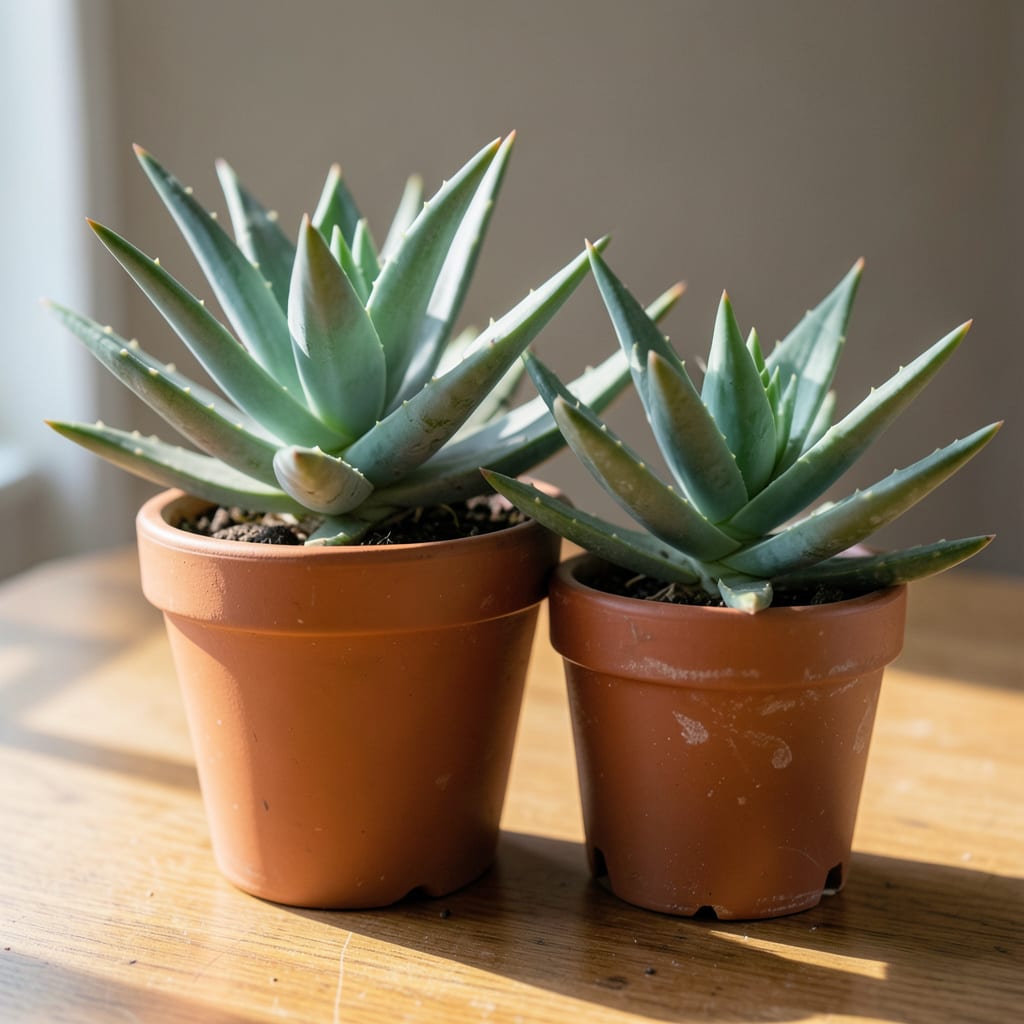
As a succulent enthusiast, I’ve learned that light is crucial for aloe plants 🌵. Too little or too much can affect their health and growth. Understanding the right amount of light is key to keeping your aloe thriving.
In this guide, I’ll share the ideal lighting conditions for aloe plants in USDA Zone 9b, helping you create the perfect environment for your plants to flourish.


Aloe plants are known for their ability to thrive in bright, indirect light conditions. As a succulent enthusiast, I’ve found that providing the right amount of light is crucial for their health and growth 🌵.
In USDA Zone 9b, aloe plants can be grown both indoors and outdoors, but their light requirements remain a critical factor. Understanding these needs will help you create an optimal environment for your plants to flourish.
Understanding these light requirements is essential for maintaining healthy aloe plants. The ideal conditions help prevent common issues such as leaf scorch or weak growth 🌿.
Aloe plants generally require 4-6 hours of bright, indirect sunlight daily. Direct sunlight can be too intense and may cause leaf damage, especially during peak hours.
When growing aloe plants indoors, placing them near a south or east-facing window is ideal. This orientation provides the right amount of indirect sunlight without the harsh direct rays that can cause damage 🔥.
Outdoor cultivation in USDA Zone 9b requires careful consideration of sunlight exposure. While aloe plants can tolerate some direct sun, prolonged exposure during the hottest part of the day can lead to leaf scorch.
To achieve optimal growth, monitor your plant’s response to light. Signs of insufficient light include weak, stretched stems, while too much light can cause leaves to become discolored or scorched.
Adjusting light conditions based on seasonal changes is also important. During summer months, providing some shade during peak sun hours can help prevent damage, while in winter, maximizing available light is crucial for maintaining plant health 🌻.
For indoor plants, consider using supplemental lighting during periods of low natural light. LED grow lights can be an effective solution to maintain optimal light levels, especially during winter months when daylight hours are shorter 💡.
Observing your plant’s response to different light conditions will help you fine-tune its placement for optimal health. Healthy aloe plants will display robust, upright leaves with vibrant color.
By following these guidelines and providing appropriate light conditions, you can ensure your aloe plants remain healthy and thrive in their environment, whether indoors or outdoors 🌼.
Aloe plants are sensitive to light conditions, and both excessive and insufficient light can cause significant problems. Understanding these effects is crucial for maintaining healthy plants 🌵.
Too much light can cause leaf scorch, leading to brown or yellow discoloration on the leaves. This is particularly common during peak summer months when sunlight is most intense 🔥.
Both too much and too little light can damage aloe plants. Monitor your plant’s response to light conditions and adjust accordingly.
Insufficient light can lead to weak and stretched stems, a condition known as etiolation. This makes the plant look unhealthy and less aesthetically pleasing 🌿.
Aloe plants require a balance of light to maintain their health and appearance. Finding the right balance is key to preventing common light-related issues 🌱.
Signs of too much light include not only leaf scorch but also sunburn, which can appear as brown or white patches on the leaves. In severe cases, the leaves may become dehydrated and develop a wrinkled texture 🌻.
On the other hand, signs of insufficient light include etiolation, as mentioned, as well as a general weakening of the plant. Leaves may become pale or lose their vibrant color, and the plant may become more susceptible to disease 💡.
To recover a plant from light damage, adjust its light exposure gradually. If the plant has been exposed to too much light, moving it to a shadier location can help. Conversely, if it’s not getting enough light, relocating it to a brighter spot can improve its health 🔄.
Gradual adjustments are key when changing a plant’s light exposure. Sudden changes can shock the plant, leading to further stress or damage 🌼.
By understanding the effects of too much or too little light and taking appropriate action, you can ensure your aloe plants remain healthy and thrive 🌻.
Regular monitoring of your plant’s response to light conditions will help you make necessary adjustments to maintain optimal health 🔍.
To keep your aloe plants healthy, it’s essential to understand how to maximize their health through proper lighting. Proper lighting is crucial for maintaining the health and appearance of aloe plants 🌵.
One key aspect is adjusting light exposure according to seasonal changes. During summer months, providing some shade during peak sun hours can help prevent leaf scorch, while in winter, maximizing available light is crucial for maintaining plant health 🌻.
Regularly check your plant’s response to light and adjust its placement accordingly.
Consider using LED grow lights during periods of low natural light to maintain optimal light levels 💡.
Be aware of the differences in light requirements for indoor and outdoor aloe plants, and adjust their placement accordingly 🏠.
By following these practical tips and understanding how to maximize your aloe plant’s health through proper lighting, you can ensure your plants remain healthy and thrive 🌼.
Proper lighting is just one aspect of maintaining healthy aloe plants. Combining it with other good care practices will result in robust, vibrant plants that bring beauty and benefits to your space 🌿.
I recommend regularly inspecting your plants to catch any potential issues early, ensuring they continue to flourish under your care 🔍.
Aloe plants typically require 4-6 hours of bright, indirect sunlight daily. This duration supports healthy growth without causing leaf scorch. Adjust the placement according to the season to maintain optimal light exposure .
While aloe plants can handle some direct sun, prolonged exposure, especially during peak hours, can cause leaf scorch. It’s best to provide bright, indirect light or filtered direct sunlight to keep your plants healthy .
Signs of too much light include leaf scorch and sunburn, while insufficient light can cause etiolation (weak and stretched stems). Monitor your plant’s response and adjust its light exposure accordingly to maintain optimal health .
Yes, LED grow lights can be an effective solution for aloe plants, especially during periods of low natural light. They help maintain optimal light levels, supporting healthy growth and development .
