
Beautiful Plants For Your Interior
Beautiful Plants For Your Interior
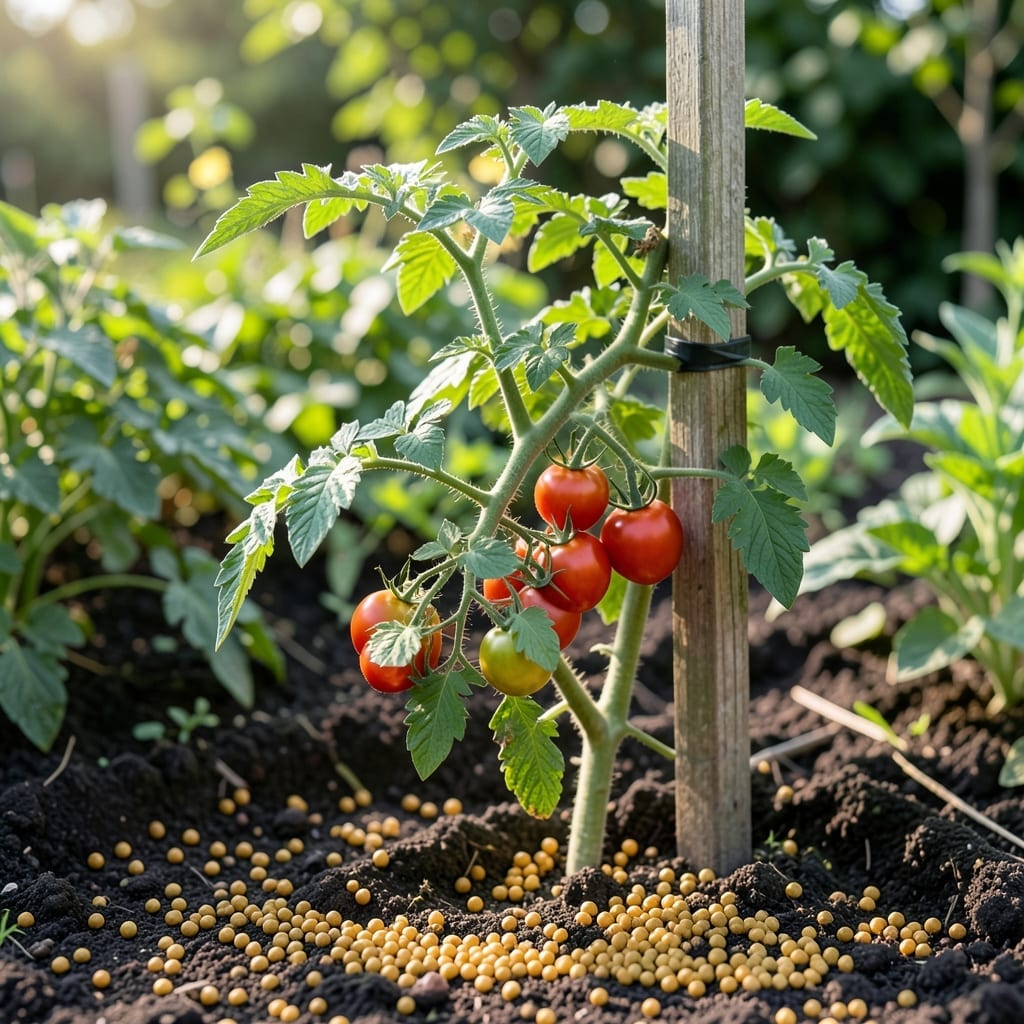
Using the right amount of 13-13-13 can make or break your 🍅 Tomato harvest. This balanced formula works wonders, but too much leads to burned roots and wasted effort.
I’ve seen gardeners struggle with stunted growth simply because they misunderstood the dosage. The key is matching the amount to your plant’s stage and size.
Whether you’re growing heirlooms or cherry Tomatoes, getting this right means faster growth and bigger yields. Let me show you exactly how to measure it.
Discover the simple method that takes the guesswork out of fertilizing your plants. Your harvest will thank you.

I love using 13-13-13 fertilizer for my tomatoes because it provides balanced nutrition for every growth phase. This NPK ratio delivers equal parts nitrogen, phosphorus, and potassium to support foliage, roots, and fruit.
The key is matching the dosage to the stage. Too little and your plants struggle, too much and you risk fertilizer burn. I’ve found the sweet spot varies by plant size and container type.
| Growth Stage | 13-13-13 Dosage | Frequency |
|---|---|---|
| Seedlings | 1 tsp per plant | Every 4 weeks |
| Vegetative | 1 tbsp per plant | Every 3-4 weeks |
| Flowering | 1.5 tbsp per plant | Every 4 weeks |
| Fruiting | 2 tbsp per plant | Every 4-6 weeks |
| Containers | 1 tbsp per 5 gallons | Every 3 weeks |
For seedlings, I start with just 1 teaspoon of fertilizer mixed into the soil at planting. This gentle approach prevents root shock while giving them a nutrient boost.
Once plants reach the vegetative stage, I increase to 1 tablespoon per plant. At this point, they’re focusing on leaf and stem growth, so the extra nitrogen helps.
When flowering begins, I switch to 1.5 tablespoons. The added phosphorus supports bloom development, which is crucial for a good tomato harvest.
During the fruiting stage, my tomatoes get 2 tablespoons of 13-13-13. The potassium in this dose helps fruit set and improves flavor.
For container-grown tomatoes, I use 1 tablespoon per 5 gallons of soil. Potted plants need more frequent feeding because nutrients leach out faster with watering.
I always water deeply after applying fertilizer to help it reach the root zone. This also prevents fertilizer burn on the plant’s surface roots.
Remember, these are general guidelines. Your soil’s existing fertility and tomato variety may require slight adjustments. When in doubt, start with less and observe your plants’ response.
Not all tomato plants need the same 13-13-13 fertilizer amount. I’ve found that heirloom varieties often thrive with a slightly lighter dose due to their sensitive root systems.
Cherry tomatoes, being smaller, typically require less fertilizer—about 1 tbsp per plant every 4-6 weeks. Larger beefsteak tomatoes can handle 2 tbsp at the same frequency.
For determinate tomatoes, which grow to a fixed size, I recommend 1.5 tbsp of 13-13-13. They don’t need as much as indeterminate varieties, which keep growing and producing.
Sandy soil drains quickly, so I increase the dose slightly. In clay soil, I reduce it to avoid salt buildup. Always water deeply after applying to help nutrients reach the roots.
If you’re growing in containers, use 1 tbsp per gallon of soil. Containers dry out faster, so liquid fertilizers can be a good supplement between granular applications.
Lastly, test your soil first. If it’s already rich in nutrients, you might need less 13-13-13 or none at all. I always say: when in doubt, start light and adjust as needed 🌱