
Beautiful Plants For Your Interior
Beautiful Plants For Your Interior
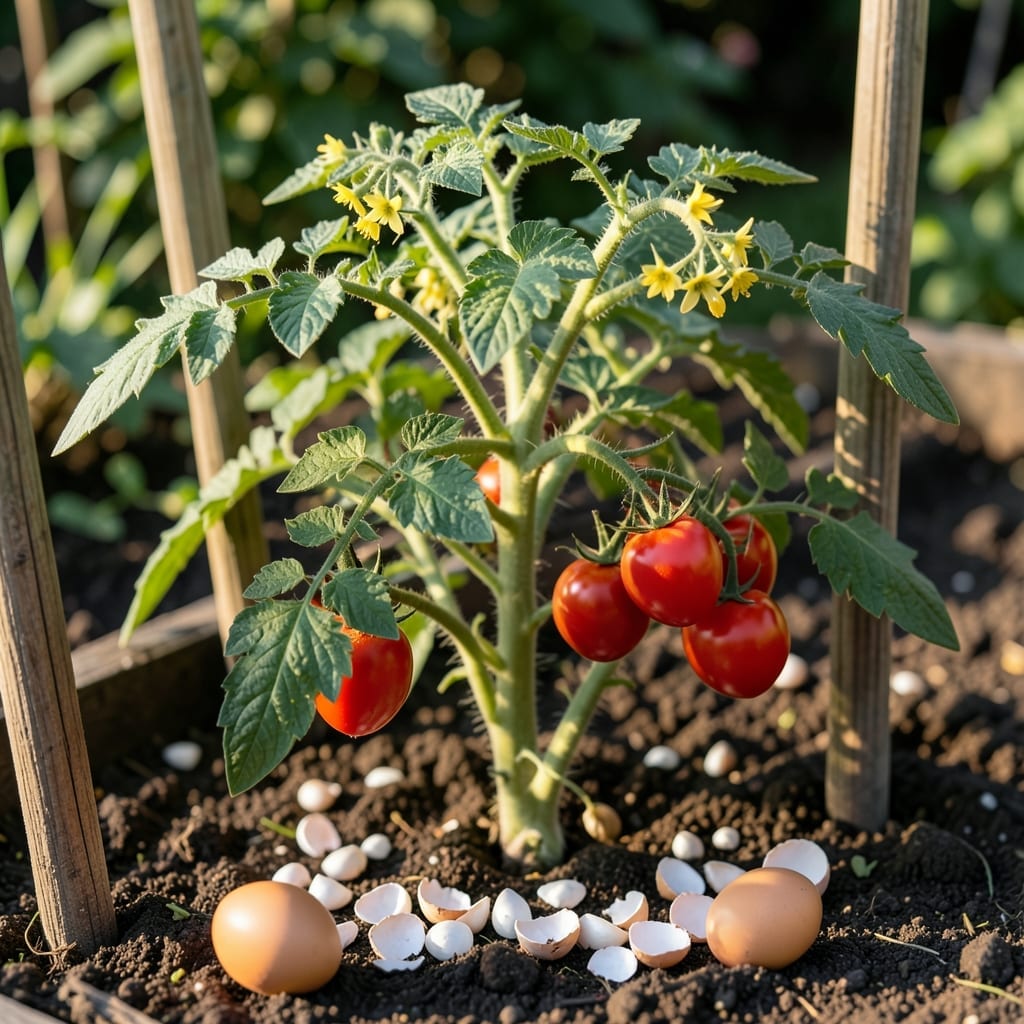
Using Tums for your Tomato plants can be a game-changer for preventing blossom end rot. But here’s the catch: too much or too little won’t give you the healthy results you want.
I’ve seen gardeners struggle with calcium deficiency in their 🍅 plants, not realizing how simple the solution can be. The right amount of Tums makes all the difference in your plant’s growth and fruit quality.
What you’ll learn today could save your next harvest from disappointment. We’ll cover exactly how to use this household item to boost your Tomato plant’s calcium intake safely.
Discover the straightforward method that’s helping gardeners everywhere grow stronger, more productive plants this season.

If you’re wondering how many Tums per tomato plant to use, the answer depends on the growth stage. Tums provide calcium carbonate, which prevents blossom end rot and strengthens cell walls.
For seedlings, start with ½ crushed Tums per plant weekly. This gentle dose helps young roots absorb essential calcium without overwhelming them.
| Growth Stage | Tums Dosage | Application Method |
|---|---|---|
| Seedlings | ½ crushed Tums | Mix into soil |
| Flowering | 1 crushed Tums | Work into topsoil |
| Fruiting | 1-2 crushed Tums | Scatter around base |
During flowering stage, increase to 1 crushed Tums per plant. This supports fruit development and prevents calcium-related issues as the plant focuses energy on blooms.
Once fruits begin forming, use 1-2 crushed Tums weekly. This is when blossom end rot risk peaks, and extra calcium ensures strong fruit structure.
Always crush Tums finely for faster absorption. I recommend using a mortar and pestle or rolling pin. This increases surface area, helping calcium reach roots quicker.
Apply the crushed Tums to moist soil for best results. Water before and after application to help calcium dissipate into the root zone. Avoid placing directly on leaves.
Soil pH matters when using Tums. They work best in acidic to neutral soils (pH 6.0-7.0). Test your soil first—if it’s already alkaline, Tums may raise pH too much.
For container-grown tomatoes, use the same dosage but mix thoroughly into the top 2-3 inches of potting mix. Containers dry out faster, so monitor moisture levels closely.
Remember, Tums are a supplement, not a fertilizer. Continue your regular feeding schedule with a balanced tomato fertilizer for complete nutrition.
I’ve seen dramatic improvements in plants with calcium deficiency after just 2-3 applications. The key is consistency and proper dosage for each growth phase.
I always watch for blossom end rot—that dark, sunken spot on the bottom of tomatoes. It’s the most obvious sign your tomato plant needs more calcium from Tums.
Yellowing leaves between veins or stunted growth can also signal a calcium deficiency. These symptoms often appear before fruit problems, giving you time to act.
For soil application, I sprinkle the crushed Tums in a 2-inch ring around the stem. This creates a calcium-rich zone where roots can easily access it.
Some gardeners use foliar sprays with dissolved Tums. If you try this, strain the mixture well to avoid clogging sprayers with undissolved particles.
Always apply in the early morning when plants are most receptive. This timing helps calcium uptake and reduces evaporation loss.
Remember that prevention works better than treatment. Start Tums applications when you first plant your tomato seedlings for continuous calcium support.
I’ve found that consistent weekly applications during the growing season work best. This steady supply helps maintain optimal calcium levels as the plant develops.