
Beautiful Plants For Your Interior
Beautiful Plants For Your Interior
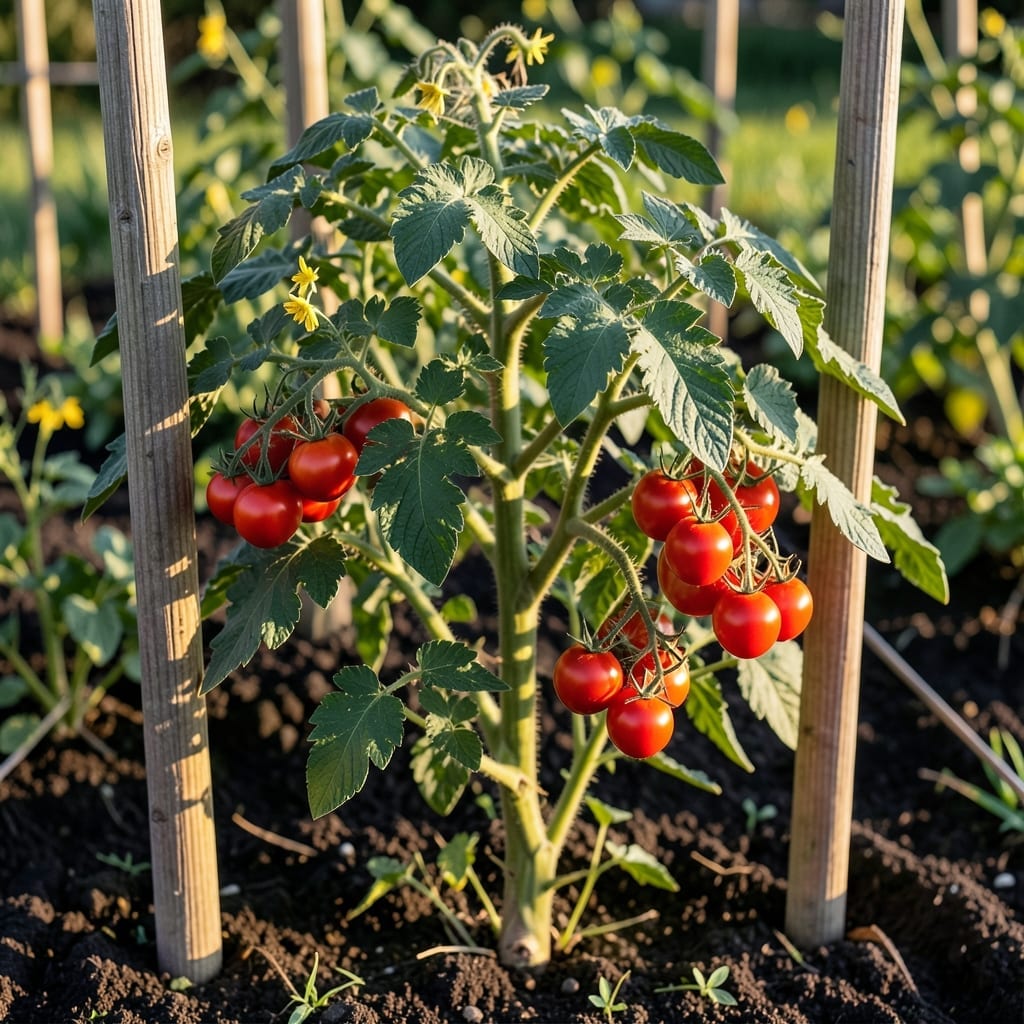
Ever wonder how many juicy 🍅 Tomatoes your garden will produce this season? The answer might surprise you, as it varies more than you’d expect.
From compact bush varieties to sprawling vines, each Tomato plant has its own production potential. Your yield depends on factors you can control.
Discover how to maximize your harvest and what to realistically expect from each plant type. Let’s dig into the details.


If you’re curious about how many tomatoes your plants will produce, the variety makes all the difference. I’ve grown everything from tiny cherry tomatoes to massive beefsteak varieties, and the yields vary dramatically. 🌱
Determinate tomatoes (bush types) typically produce 20-30 tomatoes per plant in one concentrated harvest. These are perfect for canning or sauces. Indeterminate varieties, on the other hand, keep producing all season long.
| Variety | Type | Yield per Plant | Notes |
|---|---|---|---|
| Cherry | Indeterminate | 100-200 | Small, continuous harvest |
| Roma | Determinate | 20-30 | Great for sauces |
| Beefsteak | Indeterminate | 10-20 | Large, meaty fruits |
| Heirloom | Indeterminate | 15-25 | Unique flavors, variable sizes |
| Patio | Determinate | 10-15 | Compact, container-friendly |
Indeterminate tomatoes like cherry or heirloom can produce 100-200 small fruits per plant over the season. These vining plants need sturdy supports but reward you with a steady supply. I always trellis mine for better air circulation. ☀️
For beefsteak tomatoes, expect 10-20 large fruits per plant. These giants need consistent watering and rich soil to reach their full potential. One plant can feed a family for weeks!
Determinate varieties like Roma tomatoes are more compact. They produce 20-30 medium-sized fruits all at once, then stop. Perfect for gardeners who want a single big harvest for canning. 🪴
Don’t forget dwarf or patio tomatoes. These smaller plants yield 10-15 tomatoes but thrive in containers. I grow them on my balcony with great success. They’re ideal for small spaces.
Your actual yield depends on growing conditions. Full sun, well-draining soil, and regular feeding can boost production by up to 50%. I’ve seen my cherry tomatoes double their yield with proper care.
Remember, pruning and disease prevention also play huge roles. Remove suckers from indeterminate plants to direct energy toward fruit production. And always watch for early signs of blight.
In my experience, consistency is key. Keep your plants watered, fed, and supported. With the right variety and care, you’ll be amazed at how many tomatoes a single plant can produce. 🌿
While variety plays a huge role, several other key factors determine how many tomatoes each plant produces. I’ve learned through trial and error that small adjustments can make a big difference in yield. 🌱
From sunlight exposure to watering habits, each element impacts production. Even the soil quality can change your harvest size significantly. Let’s explore these essentials.
I always prioritize sunlight first. Without enough, plants grow tall and leggy but produce few fruits. My south-facing beds always outperform shadier spots by 30-40% in yield. ☀️
Watering deeply 2-3 times a week works better than daily light sprinkles. This encourages strong root systems that support more fruit. I use a soaker hose to deliver water right to the roots.
Soil quality can’t be overlooked. I amend my beds with aged compost and worm castings before planting. This gives tomatoes a nutrient boost that translates directly to more fruit.
For indeterminate varieties, I prune suckers weekly. This keeps the plant focused on fruit production rather than excess foliage. It also improves air circulation, reducing disease risk.
Finally, disease prevention saves harvests. I apply copper fungicide preventatively and remove any infected leaves immediately. Healthy plants always produce more. 🌿