
Beautiful Plants For Your Interior
Beautiful Plants For Your Interior
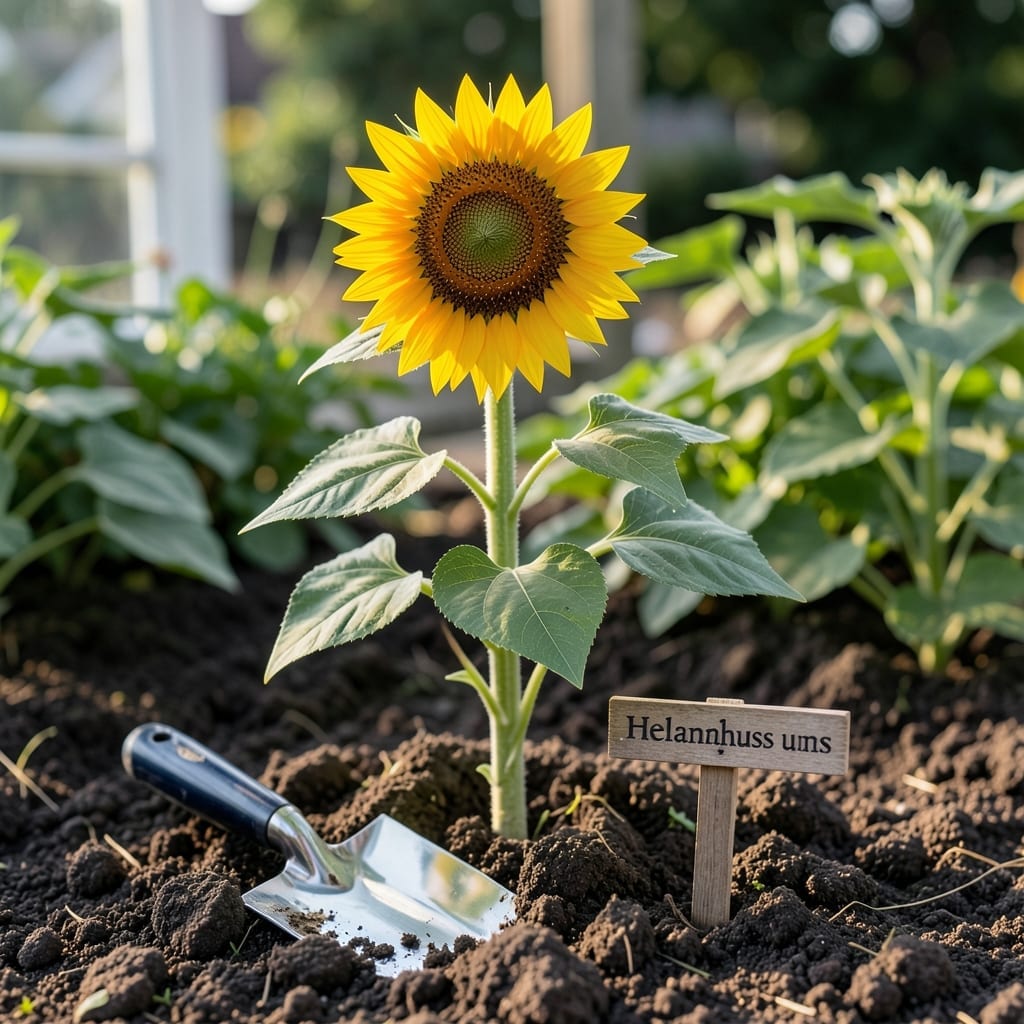
Nothing ruins a sunflower patch faster than overcrowding. Those cheerful 🌻 faces need room to thrive, and getting the spacing right makes all the difference.
I’ve seen too many gardeners pack in too many Sunflowers, only to watch them struggle for light and nutrients. The solution is simpler than you might think.
Whether you’re working with dwarf varieties or towering giants, each type has its own space requirements. The right density ensures stronger stems and bigger blooms.
Let me walk you through the numbers and strategies that will transform your Sunflower patch from crowded to spectacular.
Getting the right sunflower spacing is crucial for healthy growth. Overcrowding leads to stunted plants and poor blooms, while too much space wastes garden real estate. I’ve found that variety size dictates your layout.
For dwarf sunflowers (2-4 ft tall), you can plant 4 plants per square foot. These compact varieties have shallow roots and thrive in tight spaces like containers or borders.☀️
| Variety | Plants per Square Foot |
|---|---|
| Dwarf (2-4 ft) | 4 |
| Semi-Dwarf (4-6 ft) | 2-3 |
| Standard (6-12 ft) | 1 |
| Giant (12+ ft) | 1 every 2 sq ft |
Semi-dwarf sunflowers (4-6 ft) need more room. I recommend 2-3 plants per square foot to accommodate their moderate root spread and taller stems. This gives them enough space to access nutrients without competition.
Standard sunflowers (6-12 ft) are the classic garden giants. These need 1 plant per square foot minimum. Their deep root systems and tall stalks demand space for stability and nutrient access. Planting too closely causes weak stems that may topple.🌱
For mammoth sunflowers (12+ ft), I use 1 plant every 2 square feet. These towering varieties have extensive root networks and can reach heights that require wind protection. Proper spacing prevents them from shading each other.
The key is matching plant density to mature size. I always check the seed packet for specific variety recommendations. Remember that soil quality affects spacing too—richer soil can support slightly closer planting.
In poor soil, I give each plant extra room to compensate for limited nutrients. Container gardens also need adjustments. For pots, I stick to 1 dwarf sunflower per 5-gallon container to prevent root binding.
Grid planting works well for uniform spacing. For dwarf varieties, a 6-inch grid fits 4 plants per square foot. For standard types, a 12-inch grid gives each plant its own square foot. This method ensures even distribution of resources.🌿
Don’t forget about row spacing if you’re planting in lines. I leave 18-24 inches between rows for dwarf sunflowers and 24-36 inches for taller varieties. This allows for easy access and air circulation, reducing disease risk.
Calculating the right number of sunflowers per square foot starts with knowing your variety. Dwarf sunflowers need 12-18 inches between plants, while giant types require 24-36 inches for proper growth.
For grid planting, divide 12 inches (1 foot) by your chosen spacing. A 12-inch spacing allows 1 sunflower per square foot, while 6-inch spacing fits 4 plants in the same area.
For row planting, leave 24-30 inches between rows. This ensures good air circulation and reduces disease risk. In a 4×4 foot raised bed, you can fit 16 dwarf sunflowers with 1-foot spacing.
Soil quality and climate also affect spacing. In rich, well-draining soil, you can push plants slightly closer. In dry or poor soil, give them extra room to compete less for nutrients.
I always thin seedlings to the final spacing once they’re 2-3 inches tall. This prevents overcrowding and ensures strong, healthy stems. Overcrowded sunflowers often produce smaller blooms and weaker stalks.
Remember, sunflowers need full sun and good airflow. Proper spacing helps them thrive and reach their full height with vibrant, large flowers. ☀️