
Beautiful Plants For Your Interior
Beautiful Plants For Your Interior
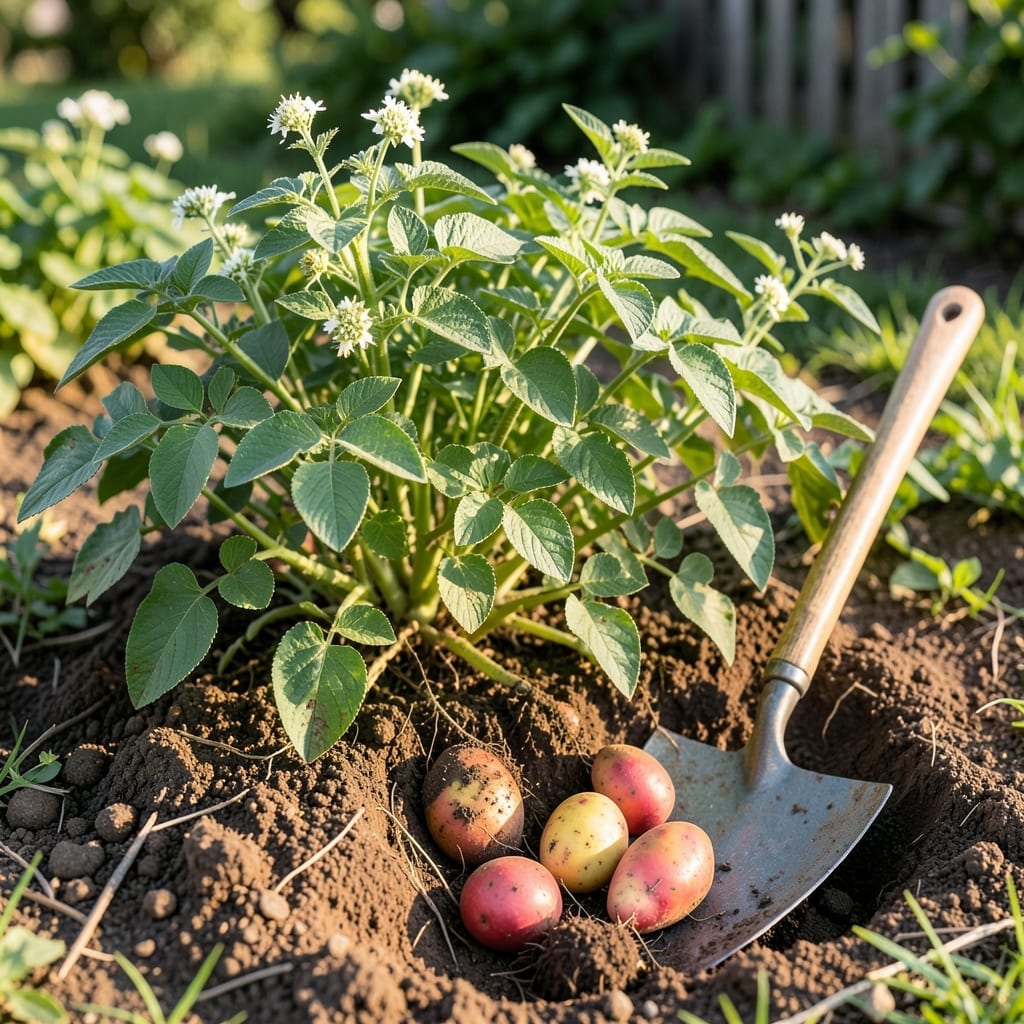
Wondering how many potatoes you’ll harvest from a single 🥔 plant? The yield can surprise you—from a handful to 20 tubers—depending on variety and care.
Whether you’re planting in zone 6 or elsewhere, understanding these factors is the key to maximizing your harvest. I’ll show you what to expect and how to get the most from each plant.
From soil prep to spacing, small adjustments can make a big difference. Let’s dig into the details and set you up for a bountiful potato season.

When I first started growing potatoes, I was amazed by how much the yield per plant could vary. Early varieties like Yukon Gold typically produce 5-10 tubers, while late-season types such as Russet can yield 10-20 potatoes each.
Mid-season varieties often fall in the middle, with 8-15 potatoes per plant under ideal conditions. The key factors include soil quality, plant spacing, and seed potato health. I’ve seen firsthand how these elements impact the final count.
| Variety Type | Yield Per Plant | Days to Maturity |
|---|---|---|
| Early | 5-10 potatoes | 60-80 days |
| Mid-Season | 8-15 potatoes | 80-100 days |
| Late | 10-20 potatoes | 100-120 days |
In my experience, early varieties are perfect for gardeners who want a quick harvest. These plants mature faster but produce fewer tubers. They’re ideal for small spaces or if you’re eager to enjoy fresh potatoes sooner.
Mid-season potatoes strike a great balance between yield and growing time. With proper care, each plant can produce a respectable harvest without requiring an entire growing season. I often recommend these for beginners.
For the highest yield per plant, late-season varieties are the way to go. These potatoes take longer to mature but reward you with more tubers and often larger sizes. Just ensure they have enough time before the first frost.
Don’t forget that plant health plays a huge role. Using certified seed potatoes and rotating crops yearly helps prevent diseases that can reduce your yield. I’ve learned this lesson the hard way!
Another factor is plant spacing. Crowding plants too closely leads to smaller harvests as they compete for nutrients. I space my potatoes 12 inches apart in rows 30 inches apart for optimal results.
Soil conditions are just as critical. Potatoes thrive in loose, well-draining soil with a pH of 5.0-6.5. Adding compost before planting gives them the nutrient boost they need to produce abundantly.
Finally, consistent watering is key, especially during tuber formation. I aim for 1-2 inches of water per week, keeping the soil evenly moist but not soggy. This helps maximize the number of potatoes each plant can produce.
With the right variety and care, you’ll be surprised at how many potatoes a single plant can yield. It’s one of the most rewarding crops to grow in any garden 🌱
Want to boost your potato harvest per plant? I’ve found that simple techniques can dramatically increase yields. Start with healthy seed potatoes and give them the best growing conditions possible.
One of my top tips is hilling soil around the stems as plants grow. This encourages more tubers to form along the buried stem, directly increasing your harvest count per plant.
I always space my plants properly to prevent competition. Crowded potatoes produce fewer, smaller tubers. The recommended 12-inch spacing gives roots room to expand and access nutrients efficiently.
Consistent watering is crucial, especially when tubers form. I aim for 1-2 inches per week, ensuring the soil stays evenly moist but not waterlogged. This prevents cracked or misshapen potatoes.
Soil enrichment makes a noticeable difference. I work plenty of compost into the soil before planting. This provides the nutrients potatoes crave for maximum tuber production.
Finally, crop rotation helps maintain soil health. I never plant potatoes in the same spot two years in a row. This reduces disease risk and keeps my yield per plant consistently high 🌱