
Beautiful Plants For Your Interior
Beautiful Plants For Your Interior
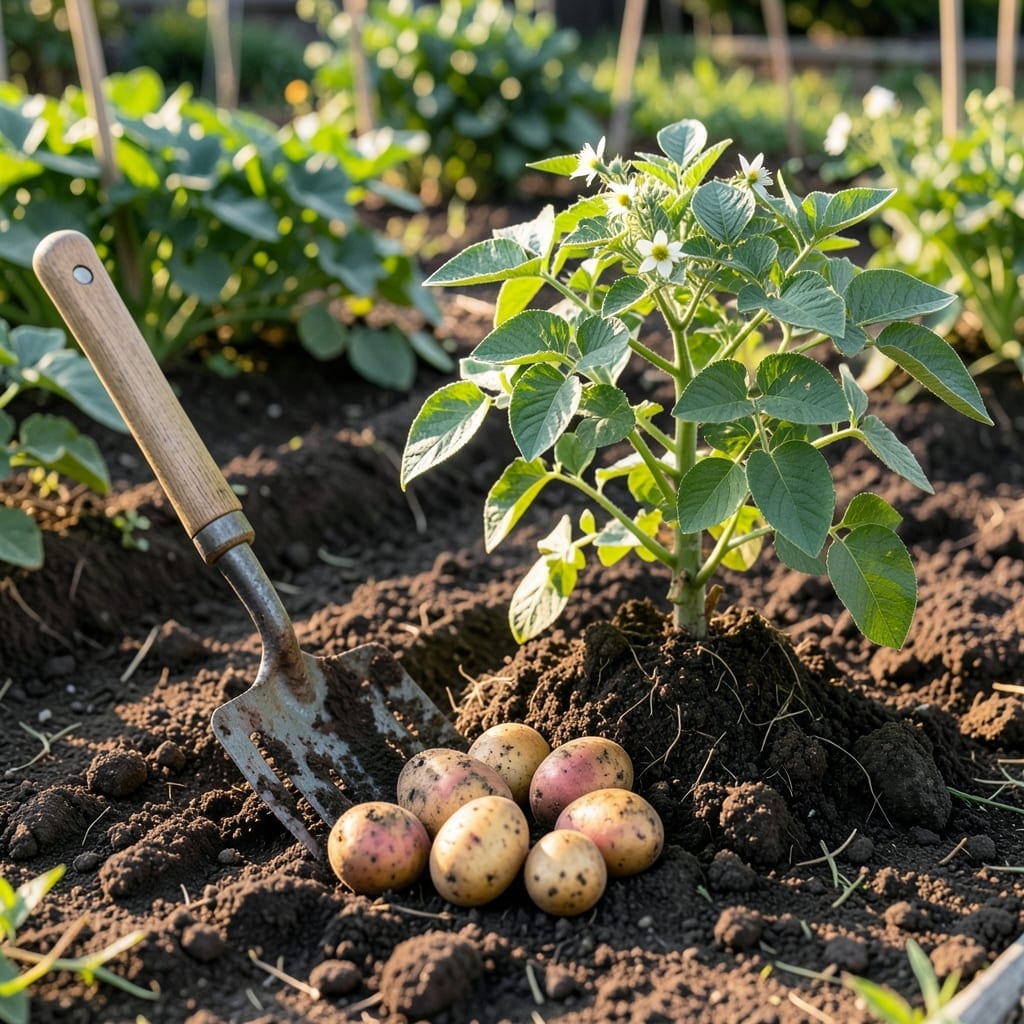
Curious about how many Potato 🥔 plants you’ll harvest from a single plant? The yield can surprise you—ranging from a handful to over a dozen, depending on the variety and growing conditions.
I’ve seen gardeners get vastly different results from the same Potato plants. The difference often comes down to simple factors you can control.
Discover what affects your harvest and how to maximize each plant’s potential. Let’s dig into what you can expect from your garden this season.

If you’re wondering how many potatoes one plant produces, the answer varies by type. Russet potatoes typically yield 8-12 tubers per plant under ideal conditions. These are your classic baking potatoes.
Red potatoes and Yukon Golds often produce 5-10 potatoes each. Their medium size makes them perfect for boiling or mashing. Fingerling varieties yield more but smaller tubers.
| Variety | Tubers per Plant | Ideal Conditions |
|---|---|---|
| Russet | 8-12 | Full sun, loose soil |
| Red Pontiac | 5-10 | Well-drained, cool soil |
| Yukon Gold | 6-10 | Rich soil, moderate water |
| Fingerling | 10-15 | Sandy soil, consistent moisture |
I’ve found that fingerling potatoes can surprise you with 10-15 small tubers per plant. Their slender shape means more potatoes per plant, though each is smaller. They thrive in sandy, well-draining soil.
Early varieties like New Potatoes mature faster but yield fewer tubers—usually 3-6 per plant. These are great for quick harvests. Late-season varieties take longer but often produce more.
In my experience, soil quality makes a huge difference. Loose, fertile soil allows tubers to expand easily, increasing yield. Compacted soil restricts growth, leading to fewer, smaller potatoes.
Spacing also affects yield. Plant seeds 12-15 inches apart in rows 30 inches apart. Crowding reduces tuber size and number. I always measure to ensure proper spacing.
Watering consistently is key. 1-2 inches per week keeps soil moist but not soggy. Too much water causes rot, while too little leads to scabby, small potatoes.
Hilling your plants boosts yield. When foliage reaches 6 inches tall, mound soil around the stems. Repeat every 2-3 weeks. This encourages more tuber formation along the stem.
I’ve seen organic matter work wonders. Mixing compost into the soil before planting provides essential nutrients. A balanced fertilizer at planting and mid-season gives tubers an extra boost.
Remember, pests and diseases can reduce yield. Colorado potato beetles and aphids are common culprits. Regular inspection and neem oil sprays help keep them at bay.
If you want to know how many potatoes one plant produces, you need to consider the growing conditions. Soil quality tops my list—loose, well-draining soil allows tubers to expand freely, directly boosting your harvest.
Watering habits also play a huge role. 1-2 inches weekly keeps the soil moist without causing rot. I’ve seen inconsistent watering lead to small, scabby potatoes, which is the last thing we want.
Sunlight exposure is another critical factor. 6+ hours of direct sun daily ensures robust growth. In my garden, plants in shady spots always produce fewer, smaller tubers.
Proper spacing prevents competition for nutrients. I plant seeds 12-15 inches apart in rows 30 inches apart. Crowded plants struggle, and their yields reflect that struggle.
Hilling techniques can significantly increase your yield. When foliage hits 6 inches tall, mound soil around the stems. I repeat this every 2-3 weeks to encourage more tuber formation.
Pest control protects your investment. I regularly check for Colorado potato beetles and aphids. A simple neem oil spray keeps them at bay without harsh chemicals.
Finally, nutrient management ensures strong plants. I mix compost into the soil before planting and use a balanced fertilizer at planting and mid-season for best results.