
Beautiful Plants For Your Interior
Beautiful Plants For Your Interior
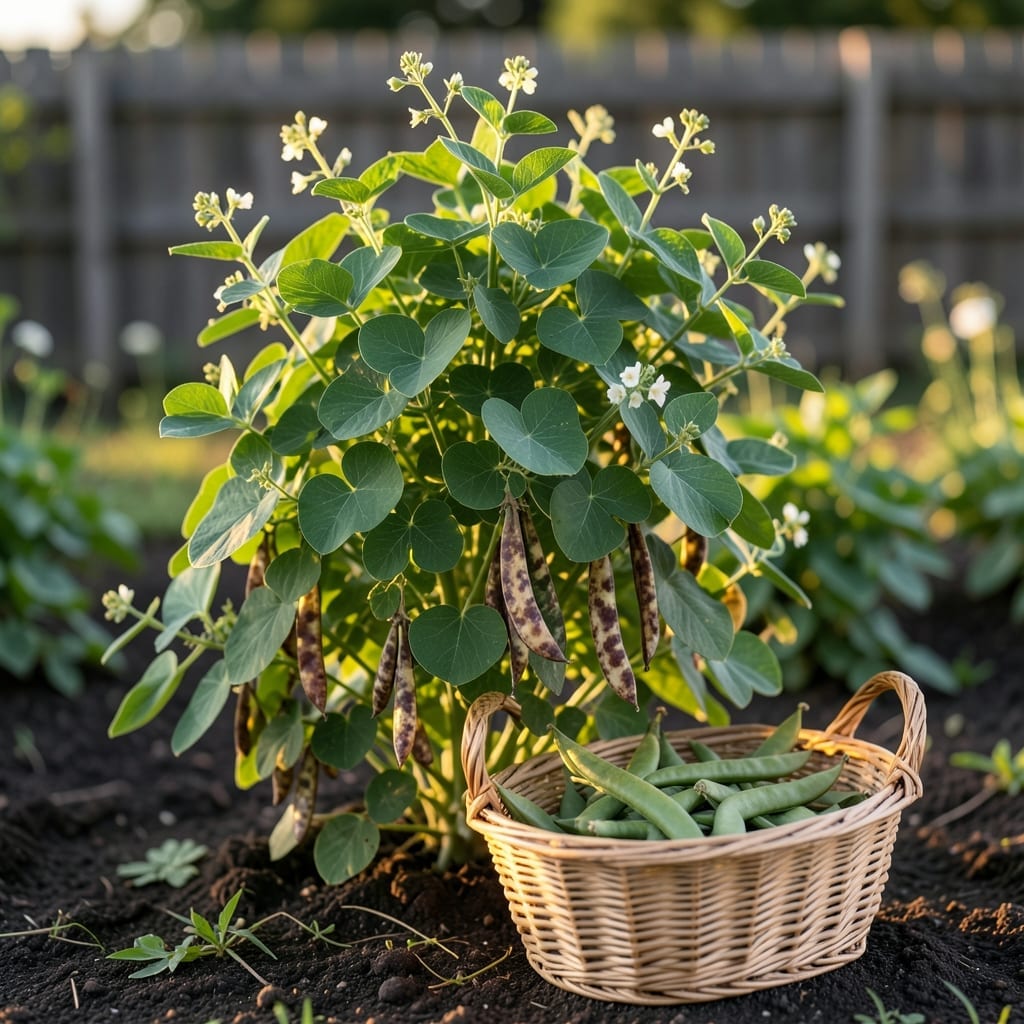
Curious about your pinto bean harvest? Understanding how many 🌱 Pinto Bean each plant produces helps you plan your garden space.
I’ve learned that yield varies more than you might expect. With the right care, you can see a big difference in what you collect.
From planting in spring to harvest time, every step matters. Small changes in how you grow them can boost your results.
Discover what to expect from each plant and how to get the most from your crop. Let’s get started.

If you’re growing pinto beans, knowing the expected yield per plant is key to planning your garden. On average, a healthy pinto bean plant produces 4-8 pods with 4-6 beans per pod. This means you can expect about 20-50 beans per plant under ideal conditions. 🌱
However, this yield can vary based on several factors, including the bean variety, growing conditions, and care practices. Bush varieties tend to be more consistent, while pole beans may produce slightly more if supported properly.
| Factor | Impact on Yield |
|---|---|
| Variety | Bush: 20-40 beans; Pole: 30-50 beans |
| Sunlight | 6+ hours boosts pod production |
| Water | 1 inch/week ensures healthy pods |
| Soil | Well-draining with pH 6.0-7.0 |
| Spacing | 4-6 inches apart prevents crowding |
I’ve found that sunlight exposure is one of the biggest yield influencers. Plants receiving 6+ hours of direct sun daily tend to produce the most pods. Shade can reduce yields by 30-50%, so place your beans where they’ll get plenty of light. ☀️
Watering consistency also plays a huge role. 1 inch of water per week keeps plants productive. Too little water causes pod drop, while too much can lead to disease. I recommend using drip irrigation for even moisture. 💧
The soil quality can’t be overlooked. Pinto beans thrive in loamy, well-draining soil with a pH of 6.0-7.0. Adding compost before planting improves fertility. Avoid heavy clay, which can stunt growth.
Another key factor is plant spacing. Crowded plants compete for resources, reducing yields. I space my bush beans 4-6 inches apart in rows 18-24 inches apart. Pole beans need 6-8 inches between plants and a sturdy trellis.
Fertilization can boost yields if done right. Pinto beans are light feeders, so too much nitrogen can reduce pod production. I use a 5-10-10 fertilizer at planting and again when flowers appear. ✂️
Finally, pest and disease control protects your yield. Watch for aphids and bean beetles, which can damage pods. Row covers and neem oil work well for organic control. Healthy plants resist disease better, so rotate crops yearly. 🌿
Want to boost your pinto bean yield this season? I’ve found that proper care makes a huge difference. Focus on healthy soil and consistent conditions for the best results. 🌱
Start by testing your soil for a pH of 6.0-7.0. Pinto beans thrive in well-draining earth with organic matter. Adding compost before planting sets the stage for success.
Mulching helps retain soil moisture and suppresses weeds. I use straw or grass clippings for the best results. This simple step can increase yields significantly. 🌿
For bush-type pinto beans, avoid over-fertilizing with nitrogen. Too much can lead to leafy growth instead of pod production. Stick to a balanced approach for the best harvest.
Rotate crops yearly to prevent disease buildup. Never plant pinto beans in the same spot more than once every 3 years. This keeps your soil healthy and productive. ✂️
Finally, harvest regularly to encourage more pod production. The more you pick, the more your pinto bean plants will yield. It’s a simple but effective strategy for bigger harvests.