
Beautiful Plants For Your Interior
Beautiful Plants For Your Interior
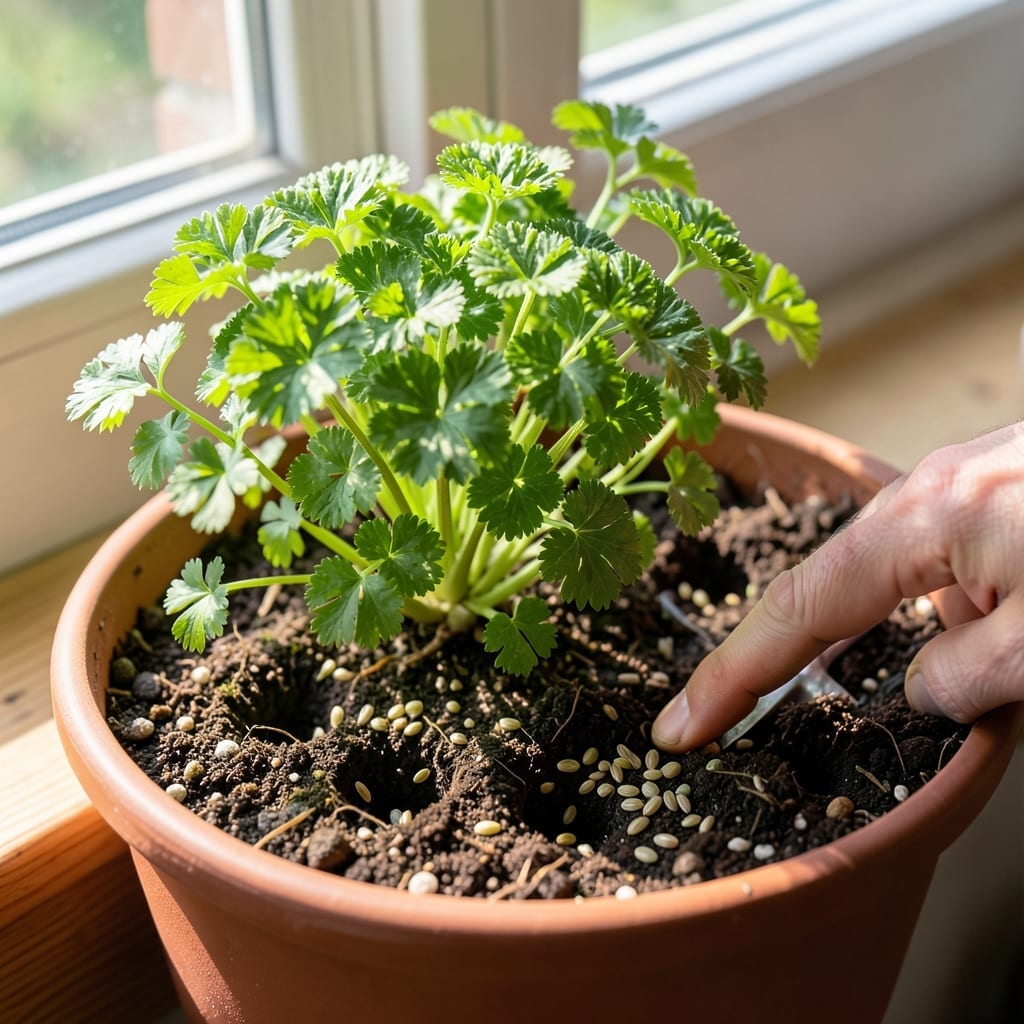
Planting 🌿 Parsley seeds correctly can make or break your harvest. Even experienced gardeners sometimes struggle with sparse or overcrowded patches.
I’ve learned that the magic happens with just the right number of seeds per hole. Too few, and you risk patchy growth. Too many, and your seedlings compete for space and nutrients.
Getting this balance right ensures strong, healthy plants that thrive throughout the season. And trust me, your future self will thank you when you’re harvesting fresh, vibrant leaves.
Let me walk you through the most effective approach to planting Parsley seeds for the best results. You’ll be surprised how simple it is once you know the trick.
When planting parsley seeds, I always recommend 3-4 seeds per hole for the best germination rates. This ensures at least one strong sprout emerges, as parsley seeds can be slow and inconsistent in sprouting.
Clustering seeds in each hole helps guarantee success, but
| Requirement | Specification |
|---|---|
| Seeds per hole | 3-4 |
| Planting depth | ¼ inch deep |
| Seed spacing | 6-8 inches apart |
| Germination time | 14-21 days |
| Soil temp | 70°F ideal |
I’ve found that ¼ inch depth is perfect for parsley seeds. Planting too deep can delay or prevent germination entirely. The soil should be moist but well-draining to avoid rot.
6-8 inches apart between holes gives each plant enough room to mature. Parsley grows slowly at first, but proper spacing prevents competition for nutrients later.
Germination typically takes 14-21 days, depending on soil temperature. I always keep the soil consistently moist during this period to encourage sprouting.
70°F soil temperature is ideal for parsley seeds. In cooler climates, I use a heat mat to maintain warmth. This speeds up germination significantly.
If you’re starting indoors, use seed trays with individual cells. This makes thinning easier when the seedlings are ready to transplant.
Once the seedlings emerge, I thin them to the strongest one per hole. This ensures the remaining plant has enough space to develop a robust root system.
Remember, overcrowding leads to weak, leggy plants. Thinning might seem harsh, but it’s essential for healthy parsley growth.
With these tips, you’ll see strong, vibrant parsley ready for harvest in about 60-90 days. Patience and proper spacing are key!
I always mark my planting dates to track progress. This helps me adjust my approach for future seasons based on what worked best.
Happy planting! With the right care, your parsley will thrive and provide fresh leaves all season long 🌿
Even seasoned gardeners make mistakes with parsley seeds. One of the biggest is overcrowding holes, which leads to weak, spindly seedlings that struggle to thrive. I’ve seen this happen too often! 🌱
Another common error is planting seeds too deep. Parsley seeds need light to germinate, so burying them more than ¼ inch can prevent sprouting entirely. Temperature matters too—cold soil slows germination significantly.
⚠️ Avoid These Parsley Planting Pitfalls
Skipping the thinning process is another mistake that reduces yield. Crowded seedlings compete for nutrients, water, and light, resulting in stunted growth. I always thin my parsley to one plant per hole for best results.
Ignoring soil moisture is equally problematic. Parsley seeds need consistently moist but not soggy soil to germinate. Let the soil dry out, and your seeds may never sprout. Keep a spray bottle handy for gentle watering.
Poor seed quality can also sabatoge your efforts. Always use fresh seeds, as parsley seeds lose viability quickly. I check the expiration date and store seeds in a cool, dry place until planting time. 🌿
Finally, don’t forget about light requirements. Parsley needs 4-6 hours of sunlight daily. Without enough light, even perfectly planted seeds will produce weak, leggy plants that struggle to mature.