
Beautiful Plants For Your Interior
Beautiful Plants For Your Interior
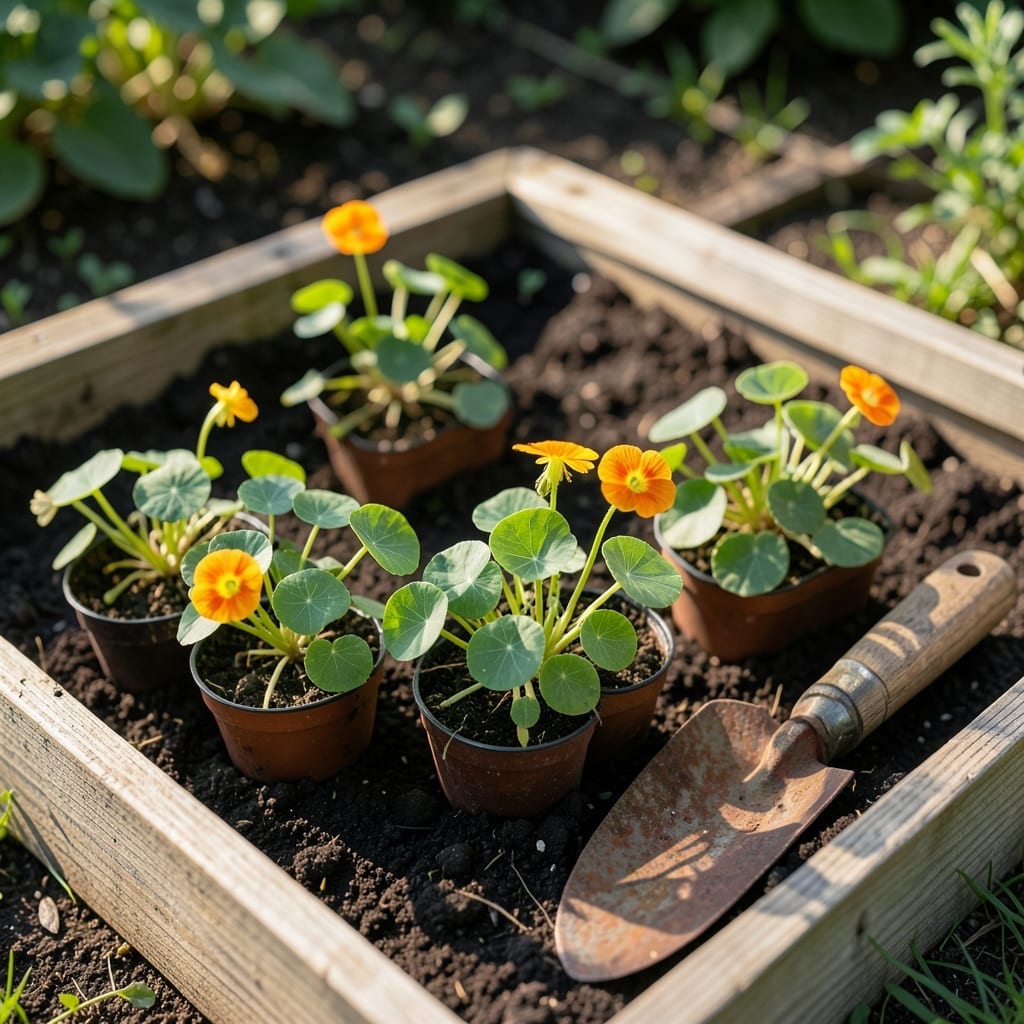
Getting the spacing right is the key to growing vibrant 🌼 Nasturtiums. Whether you’re planting them for their edible flowers or pest-repelling properties, proper density makes all the difference.
Overcrowding leads to stunted growth, while too much space wastes valuable garden real estate. I’ve tested various layouts to find the sweet spot for lush, healthy plants.
Discover how to balance your planting density for maximum blooms and benefits. Let’s dig into the details together.
When planning your nasturtium patch, I always recommend starting with the plant variety in mind. Bush types like ‘Alaska’ stay compact at 1-2 feet wide, while trailing varieties can sprawl much further.
Square foot gardening works beautifully with nasturtiums, but the planting density depends on your goals. For maximum blooms, I’ve found the sweet spot varies significantly between varieties.
| Variety | Plants per Sq Ft | Best Use |
|---|---|---|
| Bush Nasturtium | 4 plants | Borders, containers |
| Trailing Nasturtium | 1-2 plants | Ground cover, trellises |
| Dwarf Nasturtium | 9 plants | Edging, small spaces |
| Companion Planting | 2-3 plants | Pest control, pollination |
For bush nasturtiums, I plant 4 per square foot to allow each plant about 6 inches of space. This gives them room to spread naturally without competing too much.
With trailing varieties, I reduce this to 1-2 plants per square foot. These vigorous growers need more room to sprawl, often reaching 3-4 feet in length.
If you’re using dwarf varieties like ‘Tom Thumb’, you can increase density to 9 plants per square foot. Their compact size makes them perfect for small spaces or container gardens.
When companion planting with vegetables, I recommend 2-3 nasturtiums per square foot. This provides enough pest protection without overwhelming your main crops. They work wonderfully with tomatoes and cucumbers.
Ground cover is where trailing nasturtiums truly shine. I space them 12-18 inches apart, which translates to about 1 plant per square foot. This creates a lush, living mulch that suppresses weeds beautifully.
Remember that soil quality affects spacing too. In rich, well-draining soil, you might get away with slightly closer spacing. In poorer soils, give them a bit more room to thrive.
Finally, consider your watering habits. Nasturtiums prefer moderate moisture, so in drier climates, you might need to increase spacing to reduce competition for water. In my experience, they’re quite drought-tolerant once established. 🌱
I love using square foot gardening for nasturtiums because it maximizes space while keeping plants healthy. This method works especially well when interplanting with vegetables that benefit from their pest-repelling properties.
Nasturtiums pair beautifully with many garden favorites, but their spacing needs change when grown alongside other plants. I’ve found that adjusting their density based on companions leads to the best results.
When designing your square foot garden, I recommend placing bush nasturtiums in the corners of each square. This gives them room to spread without crowding your main crops in the center.
For trailing varieties, I like to position them along the edges of my garden beds. This allows them to spill over the sides, creating a beautiful border while still providing pest protection to nearby plants.
In raised beds, I often use nasturtiums as a living mulch between rows. Planting 1 per square foot in the pathways helps suppress weeds while attracting beneficial insects.
Remember that sunlight is key. Nasturtiums need 6+ hours of sun daily, so place them where they won’t be shaded by taller plants. I’ve seen them struggle when planted too close to tall vegetables like corn.
Finally, consider succession planting. After harvesting early crops like lettuce, I often replace them with nasturtiums to maintain pest protection throughout the season. 🌱