
Beautiful Plants For Your Interior
Beautiful Plants For Your Interior
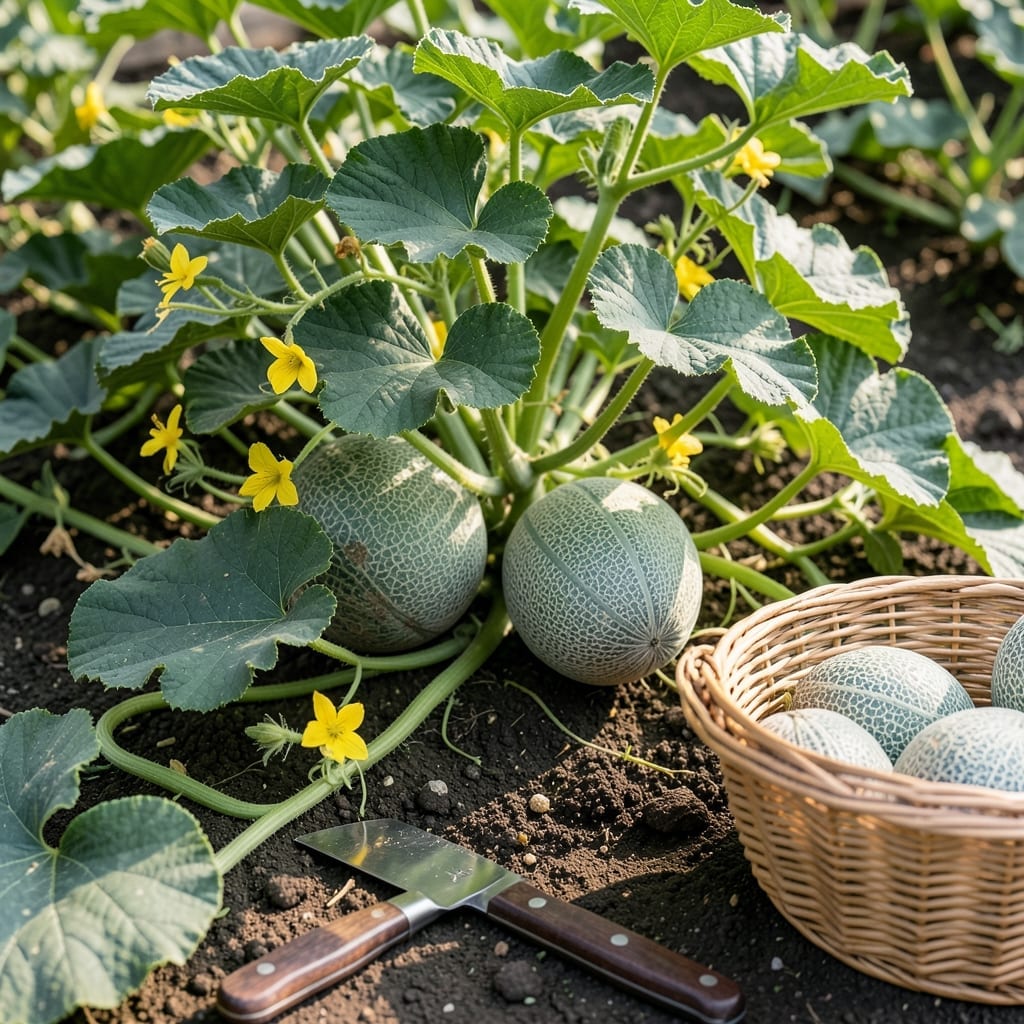
Wondering how many juicy 🍈 Melon fruits you can harvest from a single plant this season? The answer might surprise you—and it’s not as simple as a single number.
From cantaloupes to honeydews, each variety has its own production potential. But with the right care, even a small garden space can yield an impressive crop.
I’ll break down what to expect based on type, growing conditions, and your techniques. Whether you’re a beginner or seasoned gardener, these insights will help you plan for success.
Discover how to coax the maximum harvest from every vine—without overcrowding or wasting space. Let’s get started.
If you’re curious about how many melons per plant you can harvest, the answer varies widely by type. Watermelons typically produce 2-4 fruits per vine, while cantaloupes and honeydews often yield 4-6 melons under ideal conditions. 🌱
Bush varieties like ‘Sugar Baby’ watermelon may give 1-2 fruits, but vining types such as ‘Crimson Sweet’ can produce more. Muskmelons usually fall in the 3-5 melon range per plant. ☀️
| Variety | Average Yield | Notes |
|---|---|---|
| Watermelon | 2-4 fruits | Vining types produce more |
| Cantaloupe | 4-6 fruits | Needs warm soil to thrive |
| Honeydew | 3-5 fruits | Sweeter in full sun |
| Muskmelon | 3-5 fruits | Drought-tolerant once established |
I’ve found that bush varieties like ‘Minnesota Midget’ cantaloupe are perfect for small gardens, yielding 2-3 melons per plant. They’re compact but still pack big flavor and high productivity for their size. 🌿
Vining melons like ‘Moon and Stars’ watermelon can spread 10-12 feet and produce 3-5 large fruits. These need plenty of space but reward you with heavy harvests if given room to grow.
For honeydew varieties, ‘Earlidew’ is a favorite of mine, producing 4-6 melons per plant. It thrives in hot climates and has excellent disease resistance, making it a reliable choice for beginners. 💧
If you’re growing muskmelons, ‘Hale’s Best’ is a classic that typically yields 4-5 fruits. This variety does well in most regions and has a rich, sweet taste that’s hard to beat.
Soil quality and sunlight exposure play huge roles in yield. In my garden, plants in rich, well-draining soil with full sun consistently outproduce those in poorer conditions. Aim for 6-8 hours of direct light daily.
Don’t forget about pollination—bees and other pollinators are essential for fruit set. I always plant pollinator-friendly flowers nearby to boost melon production and ensure a strong harvest. ✂️
Finally, consistent watering is key, especially during fruit development. I water my melons deeply once a week, increasing to twice weekly in hot, dry spells. This keeps the soil moist but not soggy, which is perfect for melons. 🪴
Want to boost melon yields this season? With a few smart techniques, you can double your harvest from each vine. I’ve tested these methods in my own garden with impressive results.
Start with proper plant spacing—crowded vines compete for nutrients and sunlight. Give vining melons at least 3-4 feet between plants for optimal growth.
Pruning vines helps the plant focus energy on fruit development rather than leafy growth. Remove side shoots once the main vine reaches 2-3 feet long.
For better pollination, I gently transfer pollen from male to female flowers using a soft paintbrush. This simple step can increase fruit set by up to 30% in my experience.
Consistent watering is critical, especially during dry spells. I use a soaker hose to deliver water directly to the roots, reducing foliar diseases.
Finally, feed your melons with a balanced fertilizer high in phosphorus to encourage more blooms and bigger fruits. I apply mine every 3-4 weeks during the growing season 🌱