
Beautiful Plants For Your Interior
Beautiful Plants For Your Interior
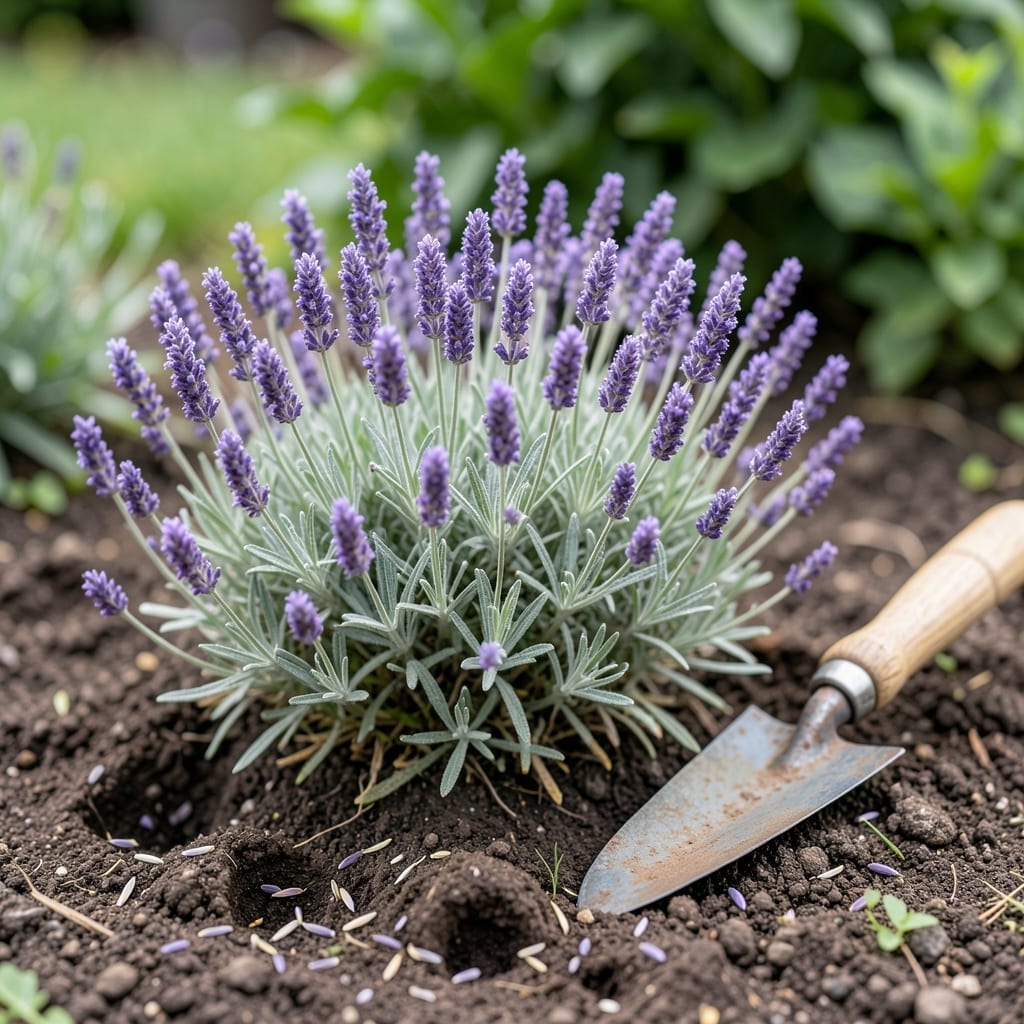
Planting Lavender 🌿 from seed requires precision—too many seeds in one hole lead to overcrowding, while too few waste valuable space.
The right ratio ensures strong, healthy sprouts and a thriving garden. I’ve learned that getting this step wrong can set your entire growing season back.
Discover the exact number of seeds to plant per hole and why it matters for your Lavender’s success. Let me walk you through the process.
When planting lavender seeds, the ideal count per hole is 2-3 seeds. This accounts for natural germination rates, as not every seed will sprout. I’ve found this number strikes the perfect balance.
Overcrowding with more seeds leads to weak seedlings competing for light and nutrients. Underplanting wastes space and reduces your harvest. The 2-3 seed rule works for most lavender varieties. 🌿
| Requirement | Specification |
| Seeds per Hole | 2-3 seeds |
| Depth | 1/8 inch |
| Spacing | 12-18 inches |
| Light | Full sun |
| Soil | Well-draining |
Lavender has a low germination rate, so planting multiple seeds ensures at least one will grow. Once sprouts appear, I thin them to the strongest seedling per hole. This prevents competition.
Soil depth matters too. Plant seeds just 1/8 inch deep. Any deeper, and they may not get enough light to sprout. Lavender needs full sun and well-draining soil to thrive. ☀️
I always use a seed-starting mix for best results. It’s lighter than regular soil and helps seeds germinate faster. Water gently but keep soil moist until seeds sprout.
Thinning seedlings is crucial. When true leaves appear, I remove weaker sprouts, leaving only the strongest. This gives each plant room to grow and develop a strong root system.
For direct sowing, wait until after the last frost. Lavender prefers warm soil for germination. In cooler climates, I start seeds indoors 6-8 weeks before the last frost.
Spacing between holes should be 12-18 inches. This gives mature plants enough room to spread. Overcrowding leads to poor air circulation and disease. 🌱
Remember, lavender is drought-tolerant once established. But during germination, consistent moisture is key. I use a spray bottle to avoid disturbing the seeds.
With the right seed count, depth, and spacing, your lavender will grow into healthy, fragrant plants. It’s a simple step that makes a big difference in your garden’s success.
Even experienced gardeners make errors with lavender seed planting. The most common mistake I see is overcrowding holes with too many seeds. This leads to weak, spindly seedlings that struggle to thrive.
Another frequent issue is planting seeds too deep. Lavender seeds need light to germinate, so anything beyond 1/8 inch depth can prevent sprouting. I always double-check my planting depth. 🌿
⚠️ Avoid These Lavender Planting Errors
Overcrowding holes with 5+ seeds causes stunted growth. Plant 2-3 seeds max per hole and thin to the strongest seedling.
Poor soil conditions are another pitfall. Lavender requires excellent drainage—heavy or clay soil will suffocate the roots. I amend my beds with sand or perlite before planting.
Inconsistent watering during germination is problematic. Seeds need moist but not soggy soil. I use a spray bottle for gentle, even watering that doesn’t displace seeds. ☀️
Planting at the wrong time can also cause failure. Lavender prefers warm soil, so I wait until after the last frost for direct sowing or start seeds indoors 6-8 weeks earlier.
Finally, ignoring seedling thinning leads to overcrowded plants. When true leaves appear, I remove weaker sprouts, leaving only the strongest one per hole to ensure healthy growth.
By avoiding these common mistakes, your lavender seeds will have the best chance to grow into vigorous, fragrant plants. 🌱