
Beautiful Plants For Your Interior
Beautiful Plants For Your Interior
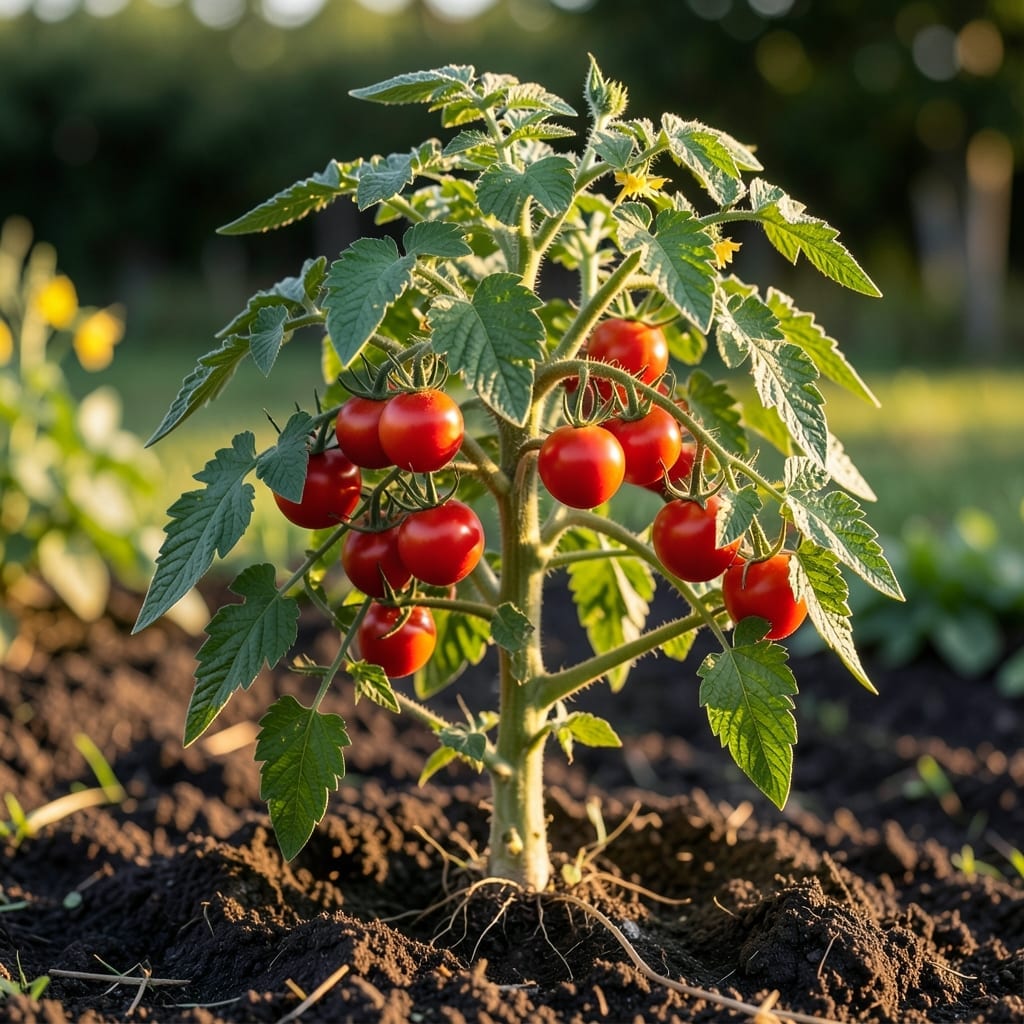
The success of your 🌱 General Garden hinges on one critical factor: sunlight. Different plants have vastly different needs, and getting this wrong can mean the difference between thriving and struggling.
Some plants demand 6-8 hours of direct sun daily, while others flourish in shadier spots. Knowing these requirements is the first step toward a lush, productive space.
I’ve seen gardens transform when sunlight needs are properly matched to the right plants. It’s not just about more sun—it’s about the right amount.
Let me walk you through how to assess your garden’s light and choose plants that will thrive in your unique conditions.


Getting sunlight right is the foundation of a thriving garden. I’ve learned that most vegetables need 6-8 hours of direct sun daily to produce well. Leafy greens are an exception, often happy with just 4-6 hours of light.
Flowers have their own preferences too. Roses and sunflowers demand full sun, while hostas and ferns prefer the cool embrace of full shade. It’s all about matching the plant to the light.
| Plant Type | Sunlight Requirement | Hourly Need |
|---|---|---|
| Tomatoes | Full Sun | 8+ hours |
| Lettuce | Partial Shade | 4-6 hours |
| Roses | Full Sun | 6-8 hours |
| Hostas | Full Shade | 2-4 hours |
| Peppers | Full Sun | 8+ hours |
| Impatiens | Partial Shade | 4-6 hours |
I always recommend starting with sun-mapping your garden. Track how the light moves across your space throughout the day. You’ll quickly see which areas get full sun, partial shade, or deep shade.
Full sun plants like tomatoes and peppers will struggle in shady spots. They need that intense light to develop strong stems and produce abundant fruit. Without it, they’ll grow tall and leggy as they stretch for the sun.
On the other hand, leafy vegetables like spinach and kale can handle less light. They’ll even appreciate some afternoon shade in hotter climates to prevent bolting or wilting.
For perennial flowers, it’s worth noting that many full sun varieties will still grow in partial shade, but they may produce fewer blooms. Daylilies and coneflowers are great examples of adaptable plants.
Don’t forget about shade-loving plants. These are perfect for north-facing gardens or areas under trees. Ferns, hostas, and astilbes bring lush greenery and delicate blooms to those darker corners.
In my experience, the key is observation. Watch how the light changes with the seasons. A spot that’s in full sun during summer might be in partial shade during spring or fall as the sun’s angle shifts.
Remember, even sun-loving plants can get too much of a good thing. In extremely hot climates, some afternoon shade can protect them from heat stress and sunburn ☀️
Getting sunlight right starts with accurate measurement. I use a simple sunlight tracker app or a DIY method with cardboard and a timer. Mark sunny spots every hour to see patterns.
Most vegetable gardens need 6-8 hours of direct light, but leafy greens thrive with 4-6 hours. Know your plants’ needs before mapping your space.
If your garden falls short, try reflective surfaces like white fences or mirrored planters to bounce light. Even light-colored mulch can help brighten shady areas.
For partial shade plants, like hostas or ferns, dappled light through trees works well. I’ve seen impressive results with layered planting under tall shrubs.
Vertical gardening is another trick. Trellises and tall planters can lift plants into more direct light, especially in small or urban spaces.
Finally, remember that seasonal changes affect sunlight. What’s full sun in summer may be partial shade in winter, so plan accordingly.
☀️