
Beautiful Plants For Your Interior
Beautiful Plants For Your Interior
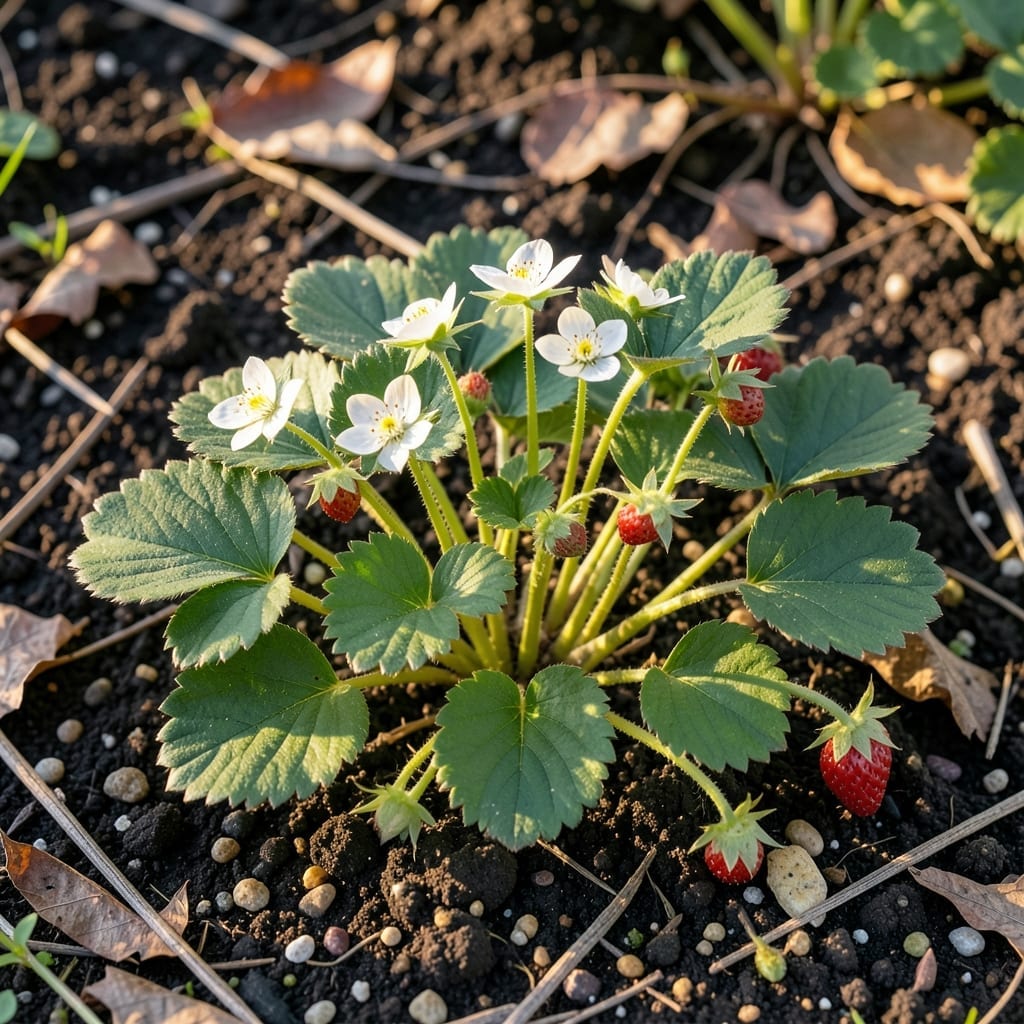
Sweet, juicy strawberries are every gardener’s dream, but their flavor and yield depend heavily on one crucial factor: sunlight. Get it right, and you’ll enjoy bountiful harvests all season long.
I’ve learned the hard way that 🍓 Strawberry plants are particular about their light. Without enough, they’ll produce small, lackluster berries—or none at all. The good news? Nailing this one detail can transform your patch.
Whether you’re planting in Zone 6 or just starting out, understanding sunlight needs is the key. It’s simpler than you think, and I’ll walk you through the basics.
Discover how to give your strawberries the perfect amount of light for those sweet, sun-ripened results you crave.


If you want sweet, plump strawberries, sunlight is non-negotiable. I’ve seen firsthand how even an hour less light can turn a thriving patch into a disappointment. Most strawberry varieties need full sun to thrive.
For the best results, aim for 6-10 hours of direct sunlight daily. This ensures your plants produce large, flavorful berries and stay healthy. Anything less, and you risk small, tart fruit or weak growth.
| Variety | Daily Sunlight Needs | Notes |
|---|---|---|
| June-bearing | 8-10 hours | Largest harvest, needs most sun |
| Everbearing | 6-8 hours | Multiple harvests, tolerates slight shade |
| Day-neutral | 6-8 hours | Continuous fruiting, adaptable |
In my experience, June-bearing strawberries are the most demanding. They need 8-10 hours to develop those big, juicy berries we all love. If your garden doesn’t get that much sun, don’t worry—you still have options.
Everbearing and day-neutral types are more forgiving. They’ll produce decent harvests with 6-8 hours of sunlight. I’ve grown these in partially shaded spots and still enjoyed a steady supply of berries.
But here’s the catch: less sunlight often means smaller yields. If your plants are in shade for more than half the day, expect fewer berries. They might also be less sweet and more tart.
Watch for signs of insufficient light. If your strawberry plants have long, leggy stems or pale leaves, they’re likely not getting enough sun. Another red flag? Fewer flowers and small berries.
I’ve found that morning sun is especially valuable. It helps dry the leaves quickly, reducing the risk of fungal diseases. So, if you can, plant your strawberries where they’ll get east-facing light first thing in the day.
If your garden is shady, consider containers. You can move pots to follow the sun or place them on a sunny patio. I’ve had great success with hanging baskets and window boxes for everbearing varieties.
Finally, remember that seasonal changes affect sunlight. In summer, your plants might get more light than they need. In early spring or fall, you may need to supplement with grow lights if natural light is scarce.
To grow the sweetest, most abundant strawberries, maximizing sunlight is non-negotiable. I’ve found that even a few extra hours of light can dramatically boost fruit size and flavor. The key is understanding how to position your plants for optimal exposure.
Start by choosing the sunnier spots in your garden. South-facing areas typically receive the most direct light, but east or west locations can work too if they get 6-10 hours daily. Containers on patios or balconies can also thrive with proper placement.
If your garden has partial shade, don’t despair. Day-neutral varieties like ‘Albion’ or ‘Seascape’ are more forgiving and can still produce well with 6-8 hours of light. Just avoid deep shade, which stunts growth and invites disease.
For container gardening, I recommend placing pots on sunny windowsills or using mobile stands to chase the sun. Even a balcony with morning sun can yield impressive results if you’re consistent with watering and care.
Remember, seasonal changes affect sun angles. In summer, your plants may get more light than in spring or fall. Adjust their position as needed to maintain that 6-10 hour sweet spot year-round.
Finally, keep an eye on leaf color and growth. Pale or leggy plants often signal insufficient light. If you notice these signs, it’s time to relocate your strawberries to a sunnier location.
With these strategies, you’ll be well on your way to a sun-kissed strawberry harvest that’s both abundant and delicious ☀️