
Beautiful Plants For Your Interior
Beautiful Plants For Your Interior
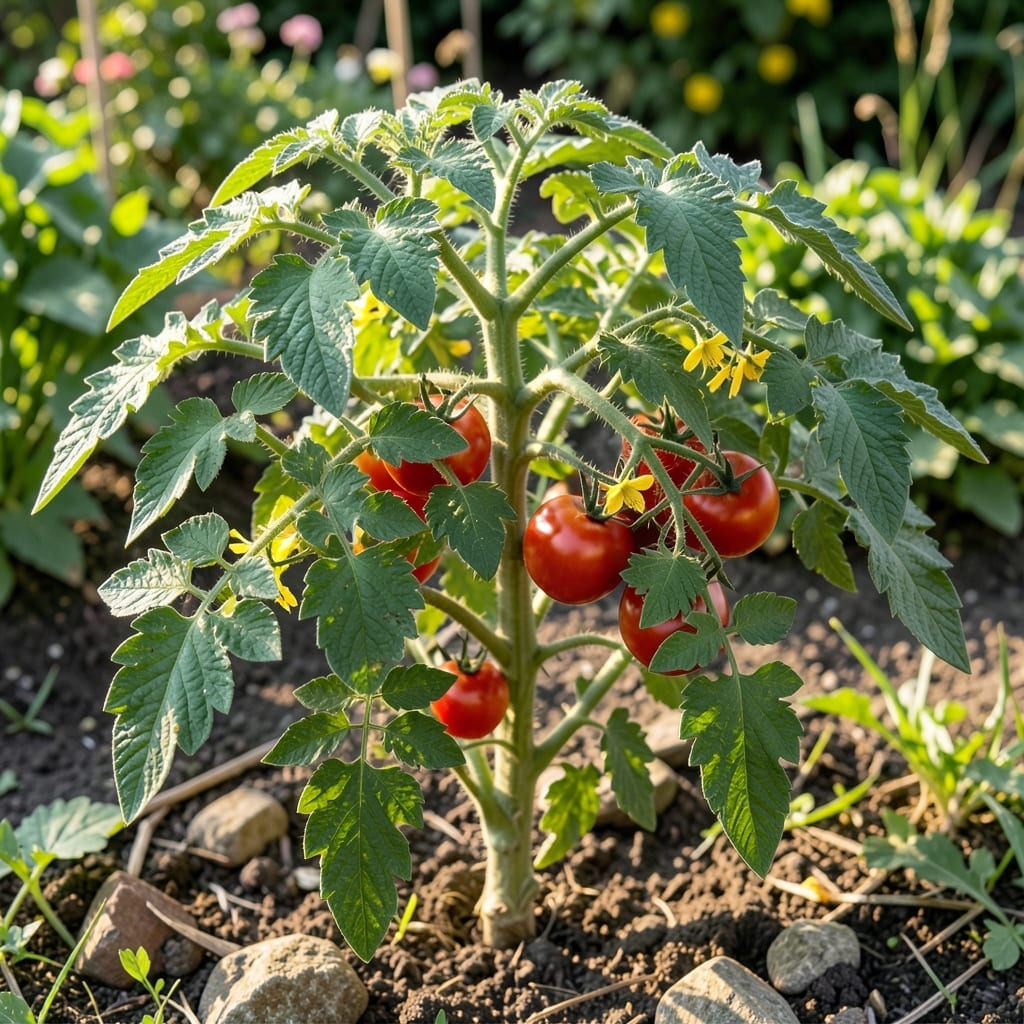
Tomato plants are sun-loving powerhouses, but knowing exactly how much light they need can mean the difference between a mediocre harvest and a bumper crop. The 🍅 thrives with proper sunlight.
Get it right, and you’ll enjoy juicy, flavorful tomatoes all season long. The key lies in understanding their daily light requirements.
Discover how to provide the ideal conditions for your Tomato plants to flourish and produce their best yield yet.


If you want juicy, flavorful tomatoes, sunlight is non-negotiable. Most tomato varieties demand 6-8 hours of direct sun daily to thrive.
Determinate tomatoes (bush types) can manage with 6 hours, while indeterminate varieties (vining) often need 8+ hours for maximum yield. This light fuels photosynthesis, which drives growth and fruit production.
| Tomato Type | Sunlight Needs | Key Notes |
|---|---|---|
| Cherry Tomatoes | 6-8 hours | High yield in full sun |
| Beefsteak Tomatoes | 8+ hours | Larger fruit needs more light |
| Heirloom Varieties | 8+ hours | Best flavor in full sun |
| Dwarf Tomatoes | 6 hours | Tolerates partial shade |
During the seedling stage, 12-16 hours of light (natural or supplemental) prevents leggy growth. Once transplanted, consistent full sun ensures strong stems and vibrant foliage.
In the flowering stage, abundant sunlight promotes pollination and fruit set. Without enough light, you’ll see fewer blooms and poorer yields. The fruiting stage is most demanding—8+ hours of sun helps tomatoes ripen evenly.
Regional differences matter. In northern climates, aim for the maximum 8+ hours to compensate for shorter days. In southern areas, intense midday sun may require afternoon shade to prevent heat stress.
I’ve found that container-grown tomatoes often need more sun than in-ground plants because pots heat up faster. Place them where they’ll get unobstructed sunlight from morning to late afternoon.
Light intensity also plays a role. A south-facing garden provides the strongest light, while east or west exposures may fall short. If your space is limited, prioritize morning sun, which is gentler but highly effective.
For those with shady yards, choose determinate varieties like ‘Roma’ or ‘Patio Princess’, which tolerate 6 hours of sun. But remember, even shade-tolerant types produce best with more light.
I always recommend using a sunlight calculator app to track how many hours of direct light your garden receives. This takes the guesswork out of planning and ensures your tomato plants get exactly what they need. ☀️
Even with the best intentions, tomato plants can suffer from improper sunlight. Too little light leads to leggy, weak stems and sparse foliage, as the plant stretches toward any available light source.
You’ll also notice fewer flowers and smaller fruits, since insufficient light disrupts photosynthesis and energy production. Yellowing leaves, particularly on the lower part of the plant, are another red flag.
On the flip side, excessive sun can be just as harmful. Sunburnt fruit develops white or yellow patches on the side facing the sun, and wilting may occur during the hottest part of the day.
Leaf scorch appears as brown, crispy edges on leaves, signaling that the plant is struggling to retain moisture under intense light. In extreme cases, blossom drop can happen as the plant conserves energy.
To fix insufficient light, I recommend relocating plants to a sunnier spot or using reflective mulches to maximize light exposure. For too much sun, afternoon shade cloth (30-40%) works wonders in scorching climates.
In my experience, drip irrigation helps mitigate heat stress by keeping the root zone consistently moist. Also, mulching with straw or wood chips protects soil from overheating and retains moisture.
Remember, balance is key—aim for that 6-8 hour sweet spot and adjust as needed for your climate. ☀️