
Beautiful Plants For Your Interior
Beautiful Plants For Your Interior
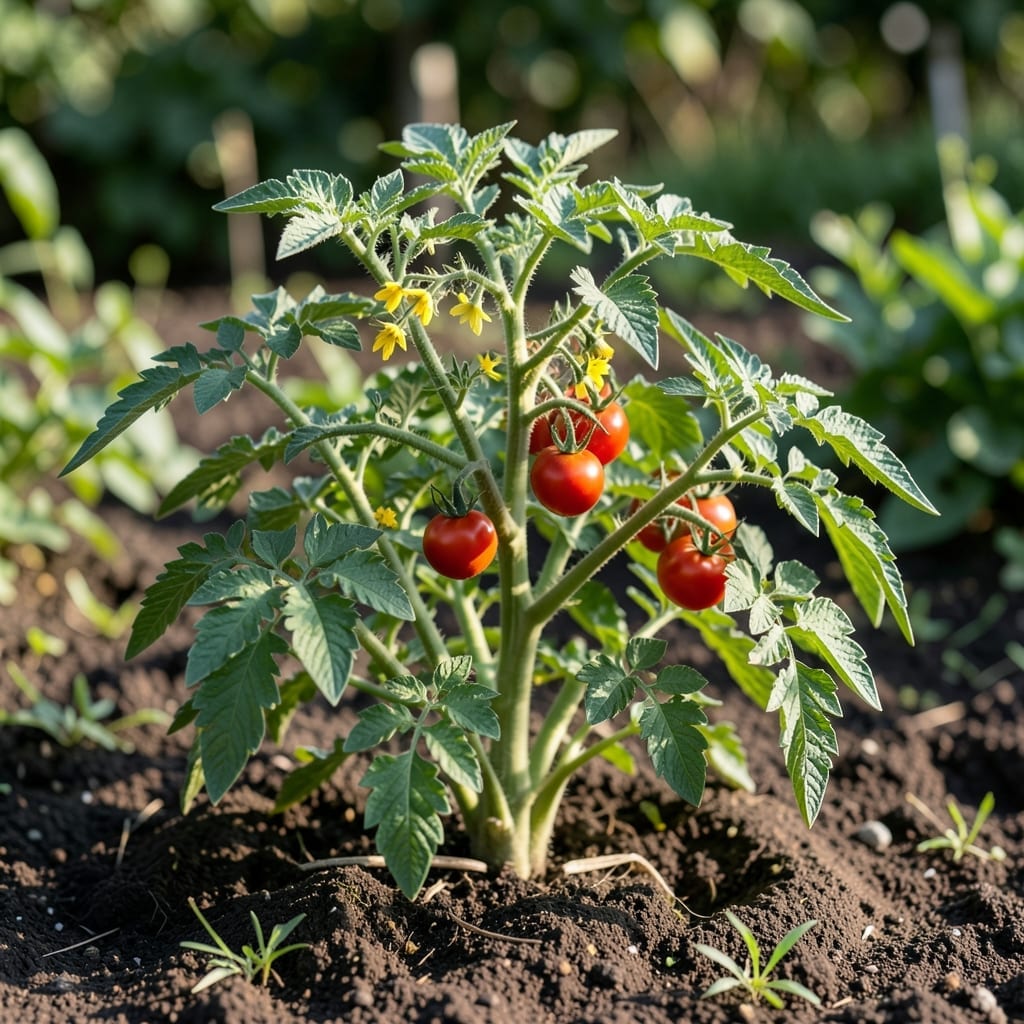
Tomatoes thrive on sunshine, but getting the balance right is key to a bountiful harvest. Whether you’re growing heirlooms in a backyard plot or cherry 🍅 on a balcony, sunlight requirements can make or break your crop.
I’ve seen firsthand how the right amount of sun transforms a struggling Tomato plant into a fruit-producing powerhouse. The difference between a sad, leggy vine and one loaded with juicy fruit often comes down to daily light exposure.
Discover exactly how many hours your plants need and how to ensure they get it, no matter your garden setup. Let’s shed some light on this essential growing factor.


If you want plump, flavorful tomatoes, sunlight is non-negotiable. Most varieties need 6-8 hours of direct sun daily to thrive, but the exact amount depends on the type and growth stage.
Determinate tomatoes, which grow to a fixed size, can manage with 6 hours of sun. However, indeterminate varieties—those vining types that keep growing—crave 8+ hours for maximum yield. ☀️
| Tomato Type | Daily Sun Needs | Growth Stage |
|---|---|---|
| Determinate | 6 hours | All stages |
| Indeterminate | 8+ hours | Fruiting |
| Cherry | 6-8 hours | All stages |
| Heirloom | 8+ hours | Fruiting |
During the seedling stage, even 4-6 hours of sun can suffice, but once flowers appear, increase exposure to ensure fruit sets properly. Without enough light, you’ll notice fewer blossoms and smaller fruits. 🌱
In USDA zones 6-9, where summers are long and sunny, meeting these requirements is easier. But in cooler zones, like 3-5, you may need to supplement with grow lights early in the season to give your plants a head start.
I’ve found that morning sun is particularly beneficial. It dries dew quickly, reducing the risk of fungal diseases like early blight. If your garden only gets afternoon sun, ensure good airflow to compensate for the moisture that lingers longer. 🌿
Container gardeners should place pots in the sunniest spot available, such as a south-facing balcony or patio. Rotate containers weekly to ensure even sun distribution and prevent lopsided growth.
If your space is limited, consider reflective surfaces like white fences or mulch to bounce extra light onto your plants. This trick can squeeze out an extra hour or two of indirect sunlight when direct sun is scarce.
For those in hot climates, like the Southwest, afternoon shade can actually protect tomatoes from sunscald. Use 30-40% shade cloth during peak heat to prevent stress while still allowing enough light for fruiting. ☀️
Remember, consistency matters more than perfection. A day or two of cloudy weather won’t ruin your crop, but chronic low light will lead to weak stems and poor yields. Monitor your plants and adjust as needed.
Even with the best intentions, tomato plants can struggle if they don’t get enough light. I’ve seen leggy stems and pale leaves signal trouble in my own garden. These are classic signs of insufficient sunlight. 🌱
Yellowing leaves on the lower part of the plant often mean it’s stretching for light. Poor flowering or small fruits are other red flags. If your tomatoes are producing fewer blossoms than expected, light is likely the culprit.
⚠️ Warning: Chronic low light leads to weak stems and reduced yields. Without 6-8 hours of sun, your tomato plants may never reach their full potential.
To fix this, relocate containers to sunnier spots or use reflective surfaces like white mulch to bounce light onto leaves. For in-ground plants, trim nearby trees or shrubs that cast shade during peak sun hours.
In urban gardens with limited sun, I’ve had success with vertical gardening. Training vines upward on trellises helps expose more foliage to available light. Rotate pots weekly to ensure even growth on all sides. ☀️
For those in cooler climates, supplemental lighting can help early in the season. Grow lights for 12-14 hours daily can give seedlings a boost until natural light improves.
Shade cloth isn’t just for protection—it can also help. In extreme heat, 30% shade cloth prevents sunscald while still allowing enough light for fruiting. Just remove it during milder days to maximize exposure. 🌿