
Beautiful Plants For Your Interior
Beautiful Plants For Your Interior
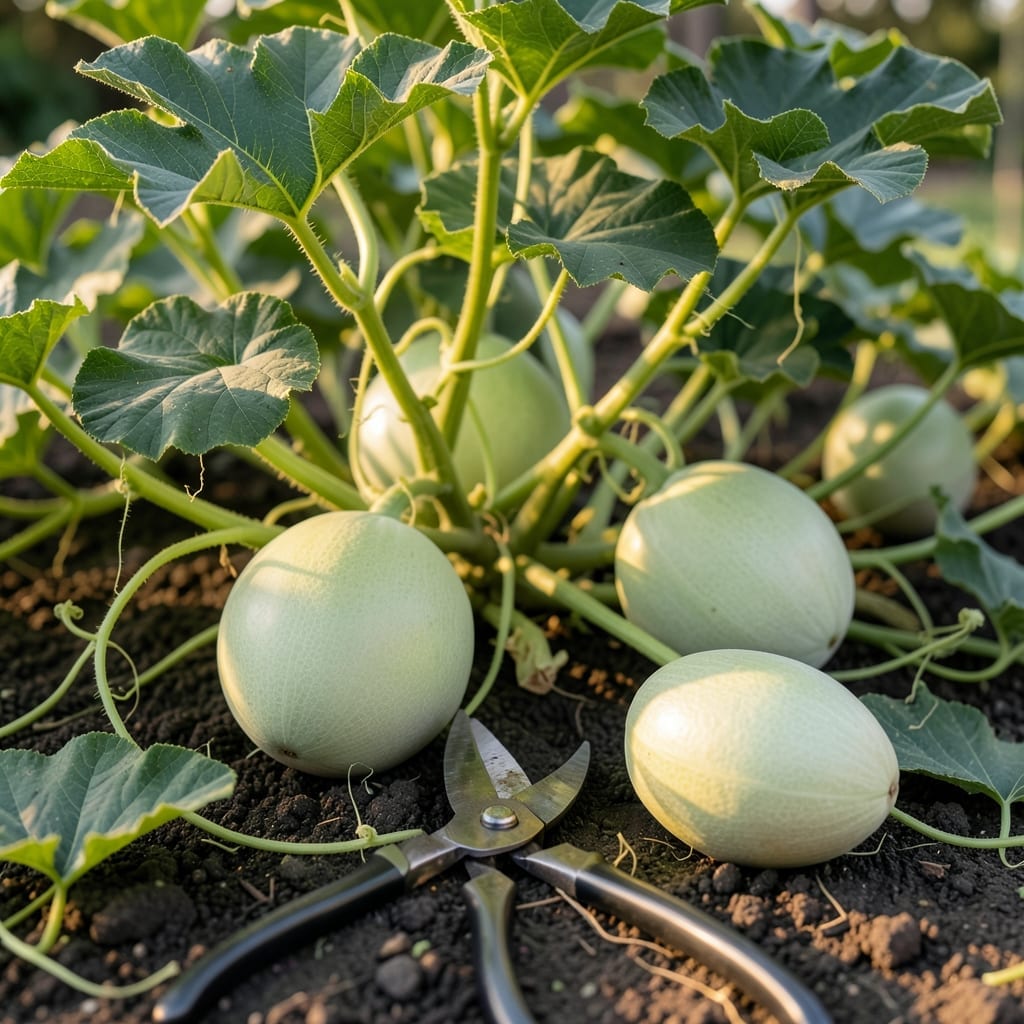
Picture this: you’ve nurtured your 🍈 Honeydew Melon plants all season, and now you’re wondering just how many sweet fruits your efforts will yield. It’s the question every gardener asks when those first tender vines start spreading.
What if I told you that with the right approach, you could be harvesting more than you expected? Understanding the typical yield is the first step toward a bountiful harvest.
From my experience, the number can surprise even seasoned growers. The secret lies in knowing what affects your Honeydew Melon production.
Let me walk you through the key factors that determine your harvest size and how to tip the scales in your favor. You’ll be amazed at what a little knowledge can do for your garden.


When I plant honeydew melons in my garden, I typically expect 2 to 4 melons per healthy plant. This range can vary based on the variety and growing conditions, but it’s a solid baseline for planning.
Some high-yielding varieties like ‘Earlidew’ or ‘Honey Brew’ can produce up to 6 melons per plant under ideal conditions. However, most standard varieties will give you 2 to 3 melons if cared for properly.
| Factor | Impact on Yield |
|---|---|
| Variety | High-yield types produce 4-6 melons, standard types 2-4 melons |
| Pollination | Poor pollination reduces fruit set and yield |
| Spacing | 3-4 feet apart ensures proper air flow and growth |
| Sunlight | 6-8 hours daily maximizes fruit production |
| Watering | Consistent moisture prevents fruit drop and splitting |
In my experience, pollination is one of the biggest factors affecting yield. Bees and other pollinators need access to your garden, so avoid using pesticides that harm them. Hand-pollinating can also help if you notice poor fruit set.
Spacing plays a crucial role too. I always plant my honeydew vines 3 to 4 feet apart to give them enough room to spread. Crowded plants compete for nutrients, which can reduce melon count and size.
Sunlight is non-negotiable for honeydew melons. They thrive in full sun, meaning at least 6 to 8 hours of direct sunlight daily. Anything less, and you’ll likely see fewer melons per plant.
Watering is another key factor. Honeydew plants need consistent moisture, especially during the fruiting stage. I water mine deeply once or twice a week, depending on rainfall, to keep the soil evenly moist but not soggy.
Soil quality can’t be overlooked either. I amend my garden beds with compost before planting to ensure the soil is rich in organic matter. This gives the plants the nutrients they need to produce a bountiful harvest.
Lastly, I’ve found that pruning can help direct the plant’s energy toward fruit production. By removing some of the side shoots, the vine focuses more on developing melons rather than excessive foliage.
With the right care, your honeydew plants can reward you with a generous yield of sweet, juicy melons. Just remember that patience and consistency are key—growing melons is a season-long commitment! 🌱
Want to boost your honeydew melon yield? I’ve found that with the right care, you can coax 2-4 melons from each healthy plant. The key is giving them what they need to thrive.
Start with proper spacing—at least 3-4 feet apart—so vines have room to spread. Crowded plants compete for nutrients, reducing fruit count.
Boost Your Honeydew Harvest
I always monitor soil moisture closely, especially during fruiting. Inconsistent watering can cause melons to split or drop prematurely. A drip irrigation system works wonders here.
Don’t overlook pollination. If your garden lacks bees, use a small brush to transfer pollen between flowers. This simple step can double your yield in some cases.
Balanced fertilizer is crucial, but avoid overdoing it. Too much nitrogen leads to leafy growth at the expense of fruit. Stick to the recommended 1 lb per 100 sqft.
Finally, keep an eye out for pests like aphids or cucumber beetles. A row cover early in the season can protect young plants without chemical interventions.
With these tips, you’ll be well on your way to a bumper crop of sweet, juicy honeydews. 🌱