
Beautiful Plants For Your Interior
Beautiful Plants For Your Interior
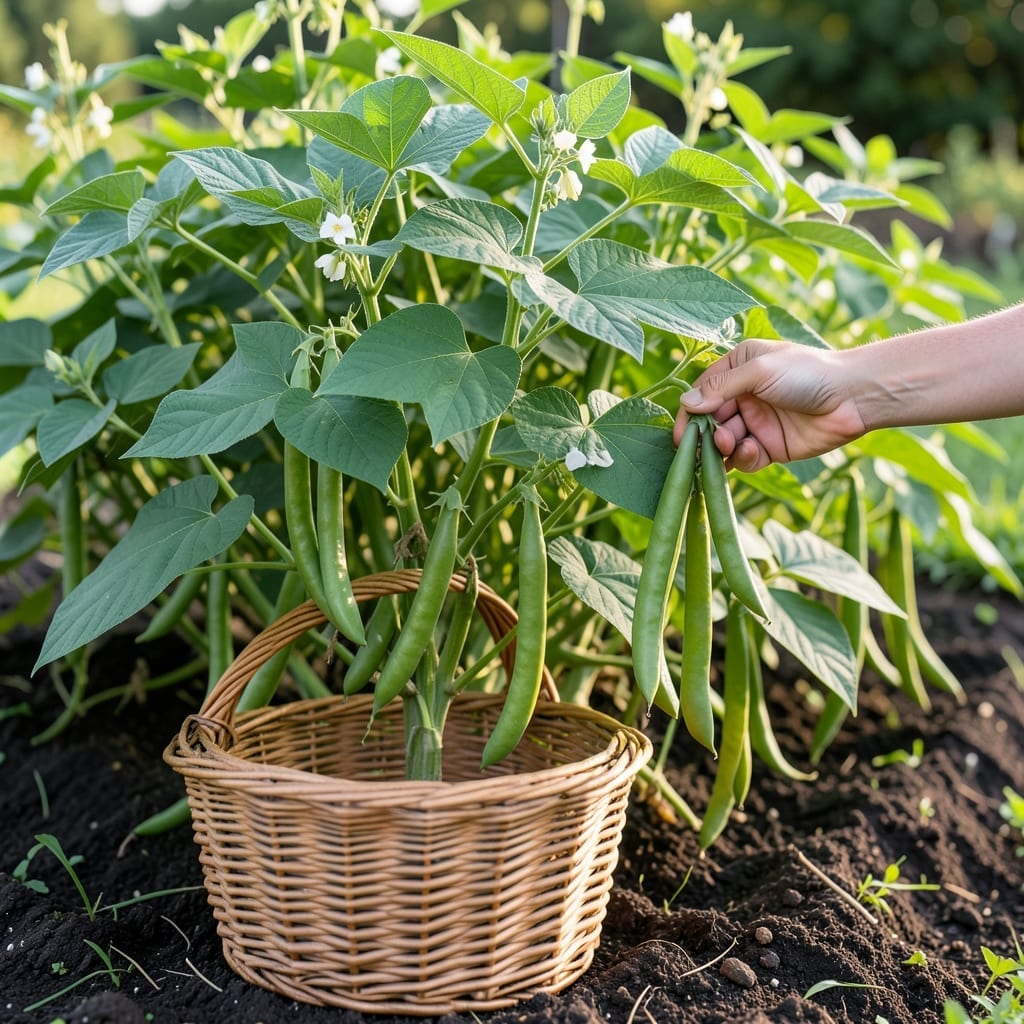
Whether you’re planting your first garden or expanding your homestead, understanding your Green Bean 🌱 yield is the key to successful harvest planning. It’s not just about how many plants you grow, but how much each one can produce.
I’ve learned that the answer varies more than you might expect. Factors like the variety you choose and how you care for your plants make all the difference in your harvest basket.
From bush to pole varieties, each type of Green Bean brings its own production potential. The good news? With the right approach, you can maximize what each plant gives you.
Discover what to expect from your Green Bean plants this season and how to get the most from every vine. Let’s dig into what really affects your garden’s output.
If you’re wondering how many green beans one plant produces, the answer varies by type. Bush beans and pole beans have different growth habits and yields. I’ve grown both, and the difference in production is noticeable.
Bush beans are compact and don’t need support, while pole beans climb and produce over a longer season. This affects their total yield per plant significantly. Let’s break it down with a comparison. 🌱
| Variety | Pods per Plant | Average Weight per Pod | Total Yield per Plant | Season Length |
|---|---|---|---|---|
| Bush Beans | 50-100 pods | 4-6 inches | 1-2 lbs | 50-60 days |
| Pole Beans | 100-200 pods | 6-8 inches | 2-4 lbs | 60-90 days |
Bush beans typically produce 1-2 lbs of pods per plant. They’re quick to mature, often ready in 50-60 days, but their production window is shorter. I find they’re great for small spaces.
Pole beans, on the other hand, can yield 2-4 lbs per plant. They take a bit longer to start producing but continue bearing pods for weeks longer than bush varieties. Their vines can grow 6-8 feet tall with proper support.
The longer growing season of pole beans means more opportunities for pods to develop. In my garden, pole beans often outproduce bush beans by a significant margin over time. They’re ideal if you have vertical space.
Soil health and consistent watering also play a role in yield. Both types thrive in well-draining soil with full sun exposure. I’ve noticed that plants in poorer soil conditions produce fewer pods.
For maximum yield, I recommend fertile soil enriched with compost. A balanced fertilizer applied at planting and again when flowers appear can boost production significantly. 🌿
Spacing is another key factor. Bush beans need 4-6 inches between plants, while pole beans require 4-6 inches apart in rows 3 feet apart. Crowding can reduce airflow and yield.
In my experience, regular harvesting encourages more pod production. I check my plants every 2-3 days during peak season to pick pods at their prime. This prevents the plant from focusing energy on maturing seeds.
Whether you choose bush or pole beans, both can be highly productive. Pole beans generally offer a higher total yield but require more space and support. Bush beans are easier for beginners and small gardens. ✂️
If you’ve ever wondered why your green bean plants yield differently each season, it’s not just luck. Five key factors play a huge role in how many pods per plant you’ll harvest. I’ll walk you through them so you can fine-tune your approach.
First, soil quality is the foundation. Well-draining, fertile soil with a pH of 6.0-6.8 gives your plants the best start. Without it, even the hardiest varieties will struggle to produce abundant bean pods. ✂️
Sunlight exposure is another game-changer. Green beans are sun-worshippers—they need full sun to produce their best yield. Shady spots often lead to fewer pods and slower growth, so choose your planting spot wisely.
Next, watering consistency is critical. Green beans prefer moist but not soggy soil. I’ve found that drip irrigation works wonders, delivering water directly to the roots while keeping leaves dry to prevent disease.
Plant spacing affects airflow and nutrient access. Bush beans need 4-6 inches between plants, while pole beans can be spaced 6-8 inches apart. Crowding leads to competition for resources and reduced yields.
Finally, pest and disease management can make or break your harvest. Aphids, bean beetles, and fungal diseases like rust can devastate your plants. Regular scouting and organic treatments keep these issues in check. 🌱