
Beautiful Plants For Your Interior
Beautiful Plants For Your Interior
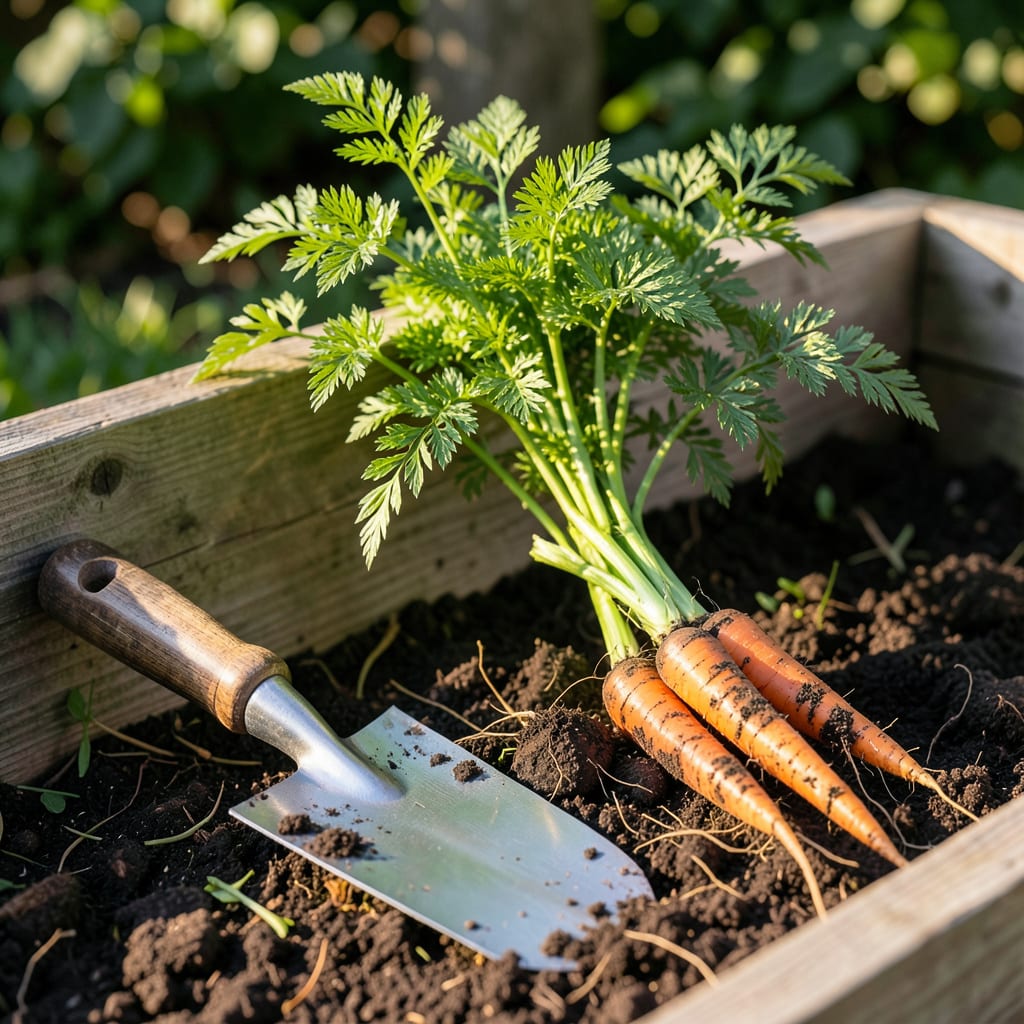
Patience is key when growing 🥕 Carrot, but knowing the exact harvest time can mean the difference between sweet, crisp roots and tough disappointments.
The days to harvest vary dramatically by variety, climate, and growing conditions. I’ll show you how to nail the timing for perfect carrots every time.


When I first started growing carrots, I was amazed at how much the harvest time varies between types. Some varieties are ready in as little as 50 days, while others need up to 120 days to reach full maturity.
The key is knowing your specific carrot variety and its typical days to harvest. Baby carrots can be pulled early, but full-size roots need their full time for best flavor and texture.
| Variety | Days to Harvest | Notes |
|---|---|---|
| Nantes | 60-70 | Sweet, crisp, great for clay soil |
| Danvers | 70-80 | Classic carrot shape, heat tolerant |
| Chantenay | 70-85 | Short and stout, good for heavy soil |
| Imperator | 80-100 | Long and slender, needs deep soil |
In my experience, Nantes carrots are the quickest to mature, often ready in just 60 days. They’re perfect for gardeners who want a fast turnaround or live in shorter growing seasons.
The Danvers variety takes a bit longer at 70-80 days but handles heat better than most. I’ve found they do particularly well in my summer garden when other varieties might struggle.
Chantenay carrots are my go-to for heavy or rocky soil. Their shorter, stubbier shape means they don’t need as much depth to grow properly, and they’re ready in about 70-85 days.
For those with deep, loose soil, Imperator carrots are a fantastic choice. They take the longest at 80-100 days, but the wait is worth it for those long, straight roots.
Remember that these are just guidelines. Your actual harvest time can vary based on soil temperature, moisture levels, and sunlight exposure. Cooler temperatures generally slow growth.
I always recommend checking your carrots a few days before the expected maturity date. Gently brush away some soil to inspect the shoulder size – they’re usually ready when they’re about 3/4 to 1 inch in diameter.
If you’re growing for baby carrots, you can start harvesting as early as 30-40 days for most varieties. Just be aware that the flavor won’t be as developed as in fully mature carrots.
No matter which variety you choose, consistent watering and loose soil are key to reaching that perfect harvest time 🌱
Knowing exactly when to pull your carrots can be tricky, but I’ve found that visual cues are the most reliable indicators. The shoulder diameter is my go-to sign—when it reaches 3/4 to 1 inch, it’s usually time.
Another method I swear by is the foliage check. Healthy, lush green tops about 6-8 inches tall often signal that the roots below are nearing maturity. Color is also telling—vibrant orange peeking through the soil is a great sign.
I always do the finger test for confirmation. Gently push aside the soil at the base and feel the top of the carrot. If it feels firm and plump, it’s ready. If it’s still small or soft, give it more time.
For baby carrots, you can start checking at 30-40 days. They’ll be smaller, of course, but just as tasty if you prefer a tender bite. Full-size carrots need their full maturity time for the best flavor.
If you’re unsure, I recommend harvesting one test carrot first. This gives you a clear idea of the current size and maturity of the rest. It’s better to wait a few extra days than to pull them too early.
Remember, consistent moisture and loose soil help carrots reach maturity faster. If your soil is too compact or dry, it can delay growth and affect the final size. Keep an eye on these signs, and you’ll never miss the perfect harvest window 🌱
I’ve learned the hard way that some common mistakes can add weeks to your harvest time. The biggest culprit? Overcrowding seeds at planting. When carrots are too close, they compete for nutrients and space.
Poor soil preparation is another major issue. Carrots need loose, stone-free soil to grow straight and reach maturity quickly. Compacted or rocky soil forces them to grow around obstacles, slowing development.
⚠️ Warning: Avoid these harvest delayers:
Inconsistent watering is a silent killer of timely harvests. Carrots need even moisture to grow steadily. Too much water causes forking or splitting, while too little slows growth dramatically.
Temperature extremes can also throw off your timeline. Carrots prefer 60-65°F soil. In hot weather, use shade cloth to cool the soil. In cold snaps, row covers help maintain warmth.
I always test my soil before planting. If it’s too heavy, I mix in sand or compost to improve drainage. This simple step has cut my harvest time by nearly a week in some cases.
By avoiding these mistakes, you’ll see your carrots reach maturity right on schedule, with better flavor and texture to boot 🌱
Yes! Most varieties can be harvested as baby carrots at 30-40 days. They’ll be smaller and more tender, though with less developed flavor than full-size ones.
Cooler temperatures slow growth, potentially adding 1-2 weeks to maturity. Carrots prefer 60-65°F soil for optimal growth rates.
Common culprits include overcrowding, compacted soil, or inconsistent watering. Thin to 2 inches apart and ensure loose, well-drained soil.
Gently brush soil from the top to check shoulder width. They’re ready when shoulders reach 3/4-1 inch in diameter.
