
Beautiful Plants For Your Interior
Beautiful Plants For Your Interior
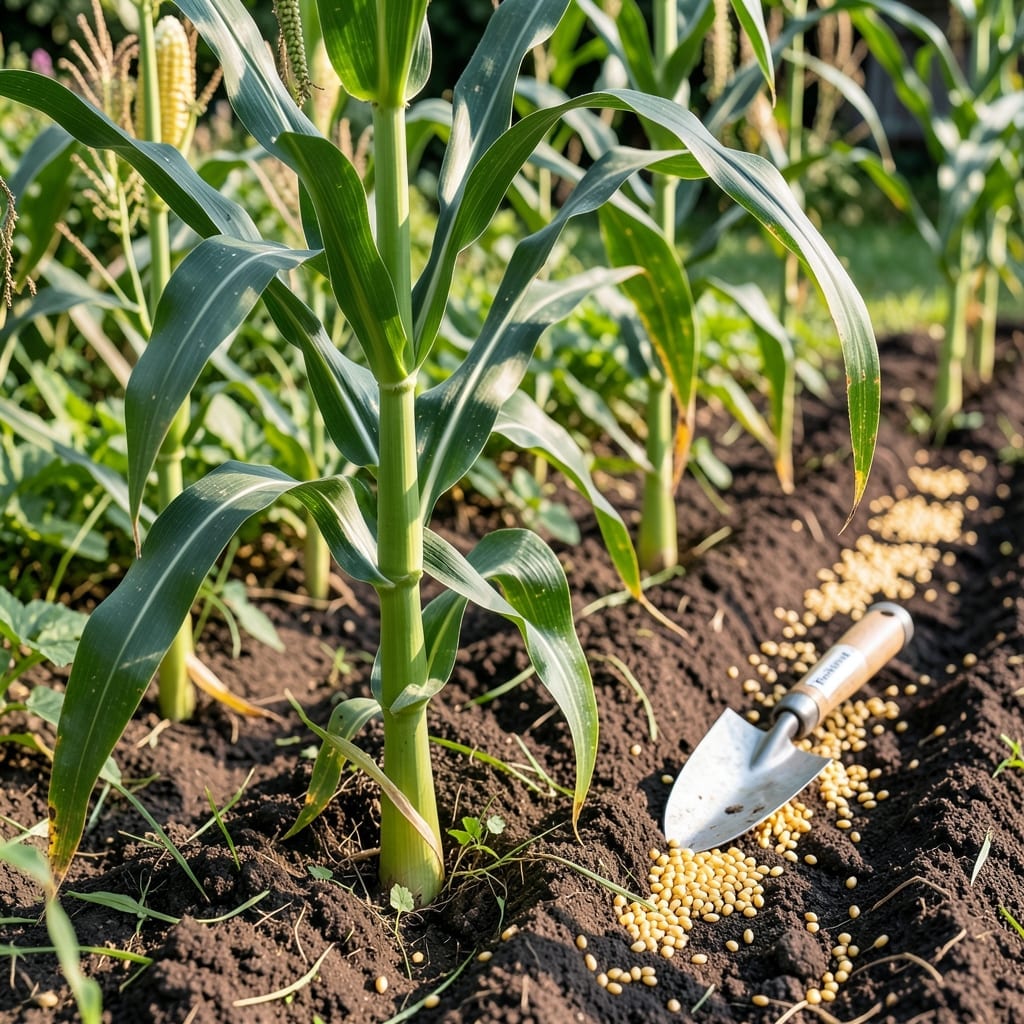
Watching Corn seeds sprout is the most exciting moment for gardeners, but the waiting game can feel endless. I remember checking my garden daily, wondering when those first green shoots would appear.
The germination timeline for 🌽 Corn isn’t set in stone – it depends on factors you can control. Temperature, moisture, and planting depth all play a role in how quickly those seeds wake up.
In ideal conditions, you might see sprouts in as little as 5 days. But if the soil is too cold or too dry, it could take up to 12 days or more.
Let me walk you through what affects this timeline and how to create the perfect environment for your Corn seeds to thrive from the very first day in the ground.


If you’re eager to see those first corn sprouts emerge, you’ll typically wait 5 to 12 days under ideal conditions. This timeline can shift based on soil, weather, and seed quality. I always check soil temperature first—it’s the biggest factor.
Corn seeds need consistent moisture and warm soil (at least 60°F) to germinate efficiently. Planting too early in cold soil can delay sprouting or even cause seed rot. I’ve learned patience pays off here. 🌱
| Stage | Timeframe | Key Conditions |
|---|---|---|
| Planting | Day 0 | Soil temp 60°F+ |
| Early Germination | 3-5 days | Moist, warm soil |
| Sprouting | 5-12 days | Consistent moisture |
| Seedling Emergence | 7-14 days | Full sunlight |
In my experience, sweet corn tends to sprout faster than field corn. The first signs of germination are tiny loops breaking through the soil—those are the seed leaves. Keep the area weed-free so seedlings aren’t competing for nutrients.
If the soil is cooler than 55°F, germination can take up to 3 weeks or fail entirely. I use a soil thermometer to avoid guessing. Planting in late spring when the soil has warmed up gives the best results.
Another key factor is planting depth. Corn seeds should be placed 1 to 1.5 inches deep. Too shallow, and they dry out; too deep, and they struggle to emerge. I mark my rows with a stick to keep depth consistent.
Moisture consistency is critical during germination. I water lightly but frequently to keep the top inch of soil damp. Overwatering can suffocate seeds, so I avoid soggy conditions. A mulch layer helps retain moisture without waterlogging.
Seed quality matters more than many realize. I always choose fresh, high-quality seeds from reputable suppliers. Older seeds may take longer to germinate or have lower success rates. Testing a few seeds in a damp paper towel can check viability before planting.
Once sprouts appear, I switch to deep but infrequent watering to encourage strong root growth. The seedlings are fragile at this stage, so I avoid disturbing the soil. Corn is wind-pollinated, so I plant in blocks of at least 4 rows for better pollination later. 🌿
If germination seems slow, I check for pests like cutworms or seedcorn maggots. These can damage seeds before they even sprout. Using organic pest control methods early can prevent losses.
I’ve found that corn seeds sprout fastest when soil temperature stays above 60°F. Cooler soil slows germination significantly, so I always check with a soil thermometer before planting. Consistency matters most in early spring.
Proper planting depth is another key factor—1 to 1.5 inches deep works best. Too shallow and seeds dry out; too deep and they struggle to emerge. I also ensure moist but not soggy soil for best results.
I always pre-soak seeds for 8-12 hours to kickstart the process. This simple step can shave 1-2 days off germination time. Just be sure to plant them immediately after soaking to prevent drying.
Seed quality makes a huge difference too. I save seeds from my best-performing plants or buy from trusted suppliers. Old or poorly stored seeds often germinate slowly or not at all.
If you’re in a cooler climate, consider starting seeds indoors in peat pots. This gives them a head start before transplanting. Just be gentle with roots—they’re sensitive to disturbance.
Finally, I mark my planting rows clearly to avoid disturbing seeds while waiting for sprouts. Patience pays off, as corn germination typically takes 5-12 days under ideal conditions. ☀️
Watch for uneven sprouting, which often signals inconsistent moisture or temperature. Adjusting your care can help stragglers catch up. 🌱