
Beautiful Plants For Your Interior
Beautiful Plants For Your Interior
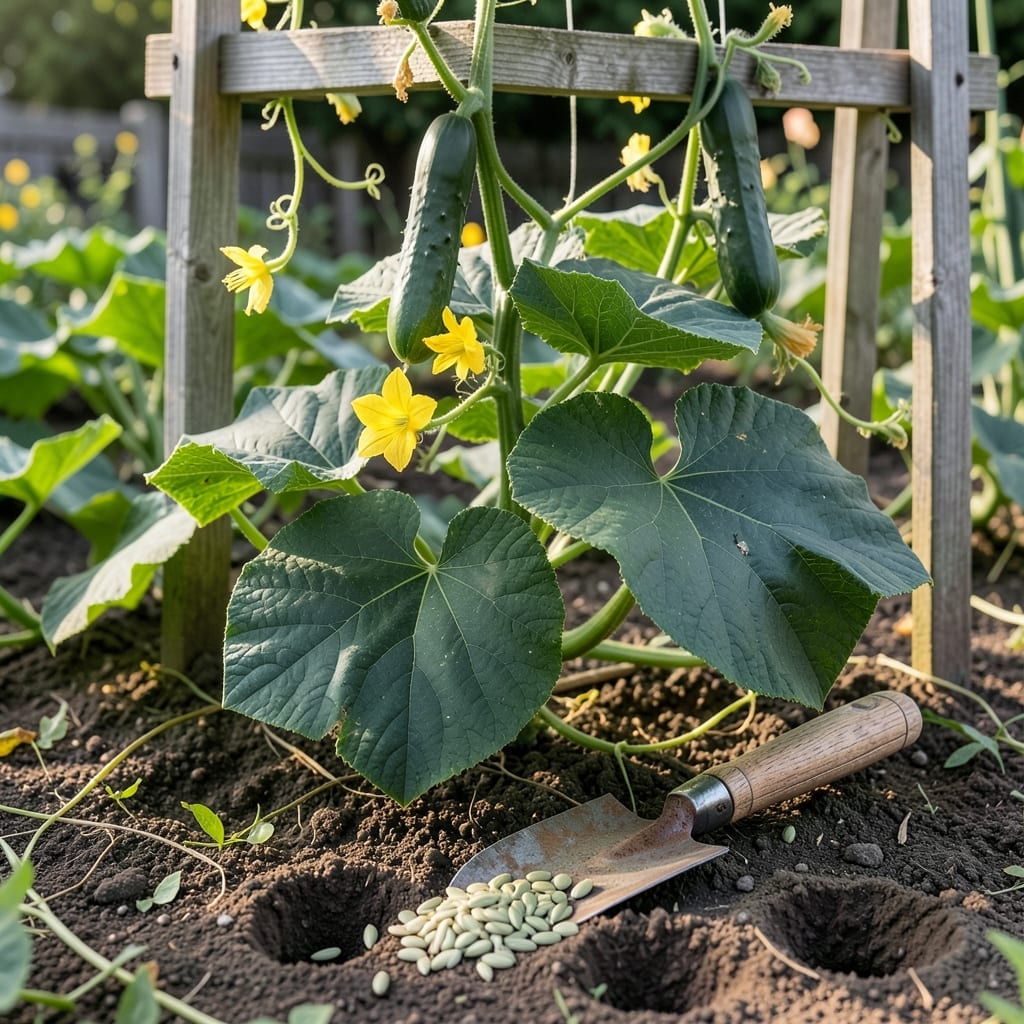
Planting Cucumber seeds correctly can make or break your harvest. One of the biggest mistakes gardeners make is overcrowding seeds in a single hole. This simple step is often overlooked, yet it’s the key to stronger sprouts and healthier vines.
I’ve seen firsthand how proper spacing leads to more robust plants that produce abundantly. Whether you’re a beginner or seasoned gardener, getting this right from the start saves time and effort later.
Let me show you exactly how many Cucumber seeds to plant per hole for optimal germination and growth. Your future harvest will thank you.
Getting the seed count right is the first step to strong cucumber plants. I always recommend planting 2-3 seeds per hole for the best results. This ensures at least one seed germinates, even if others don’t.
Overplanting leads to weak seedlings competing for nutrients. With cucumbers, more isn’t better—quality over quantity wins every time.
🌱 Cucumber Seed Planting Guide
| Requirement | Specification |
|---|---|
| Seeds per hole | 2-3 seeds |
| Depth | 1 inch deep |
| Spacing | 36-60 inches apart |
| Soil temp | 70°F minimum |
| Germination time | 3-10 days |
For standard cucumber varieties, 2-3 seeds per hole is ideal. This accounts for germination rates that typically hover around 80-90%. If all seeds sprout, you’ll thin them later.
Large cucumber varieties need more space, so stick to 2 seeds per hole. Smaller types can handle 3 seeds, but never exceed this. Crowding stunts growth and invites disease.
Soil conditions matter too. In cooler soils below 70°F, germination drops. I always wait until the soil warms up. A soil thermometer is a worthwhile investment for serious gardeners.
If your soil is poorly draining, reduce to 2 seeds per hole. Too much moisture can rot seeds before they sprout. Well-draining soil with compost mixed in gives the best start.
Once seedlings emerge, thin to the strongest plant per hole. This usually happens when they’re 2-3 inches tall. Use sharp scissors to avoid disturbing roots of the remaining seedling.
I’ve found that morning planting works best. The cooler temps and higher humidity help seeds settle in. Always water gently after planting to avoid washing seeds away.
Remember, consistency is key. Whether you’re planting in raised beds or in-ground, follow these guidelines for healthy cucumber vines that produce all season long.
With these tips, you’ll have strong sprouts ready to thrive in no time 🌱
Even experienced gardeners make simple errors with cucumber seeds. The most common is planting too many seeds in one hole, which causes overcrowding and weak growth.
Another frequent mistake is planting too shallow. Seeds need 1-inch depth to anchor properly and access moisture. Anything less risks poor germination.
⚠️ Avoid These Cucumber Planting Mistakes
Overcrowding seeds leads to stunted growth and disease. Always stick to 2-3 seeds per hole and thin later for the strongest plants.
Poor soil prep is another culprit. Cucumbers thrive in well-draining soil enriched with compost. Skipping this step often results in slow germination or weak seedlings.
I’ve seen gardeners skip watering after planting, assuming rain will do the job. Consistent moisture is critical for the first week. Use a gentle spray to avoid dislodging seeds.
Planting in cold soil below 70°F delays germination. Always check soil temperature with a thermometer before sowing. A black plastic mulch can help warm the soil faster.
Lastly, ignoring spacing between holes causes problems. 36-60 inches apart gives vines room to spread. Crowded plants compete for sunlight and nutrients, reducing your harvest.
By avoiding these common pitfalls, you’ll set your cucumber plants up for success from the start 🌱