
Beautiful Plants For Your Interior
Beautiful Plants For Your Interior
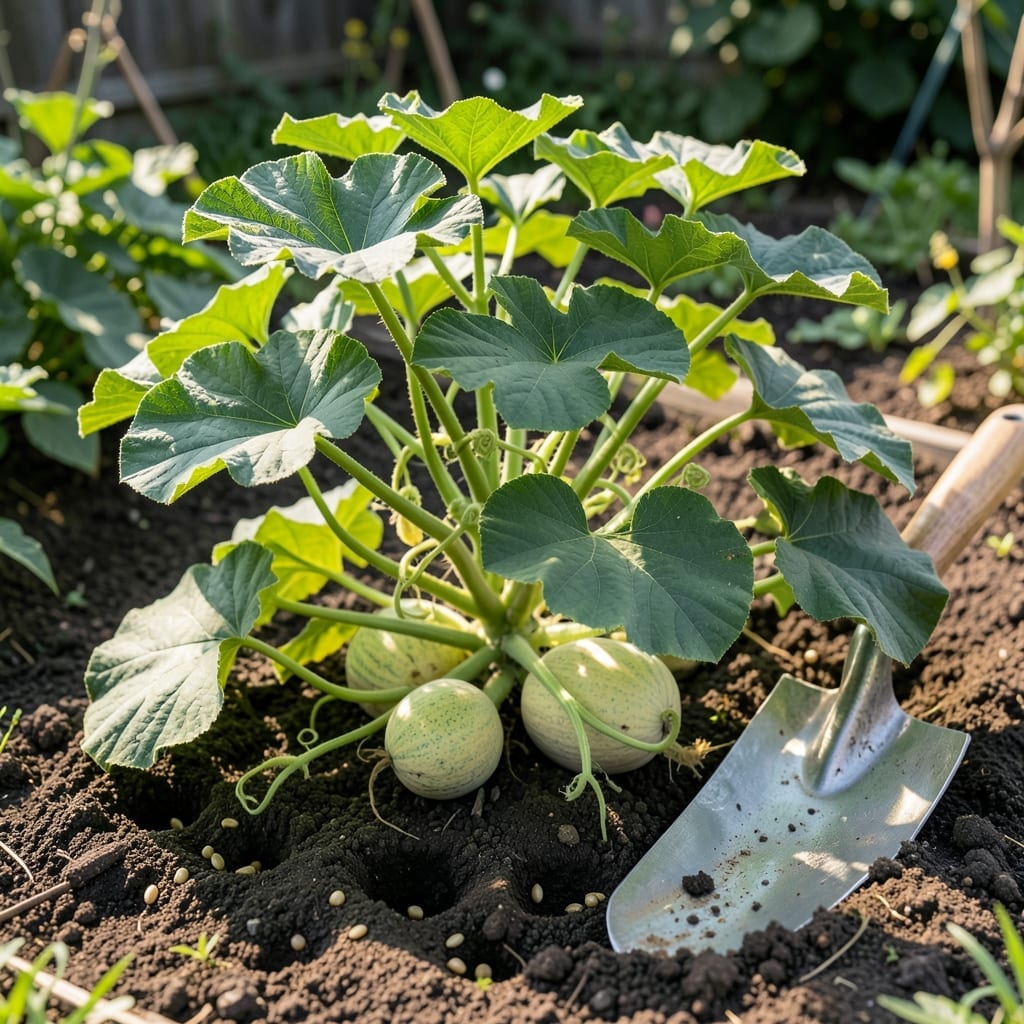
Planting Cantaloupe starts with a simple but critical question: how many seeds should you tuck into each hole? Get this wrong, and you might end up with weak vines or wasted effort.
I’ve seen gardeners struggle with overcrowding and stunted growth because they didn’t nail this first step. The good news? It’s easier than you think to set your 🍈 plants up for success.
With the right seed count, you’ll avoid common pitfalls and give your vines the space they need to thrive. And trust me, your future self will thank you when harvest time rolls around.
Let me walk you through the exact approach that ensures strong, healthy Cantaloupe vines from the very beginning. You’re about to learn the game-changing details.
I always recommend planting 2-3 cantaloupe seeds per hole to ensure at least one strong vine emerges. This accounts for germination rates that typically hover around 70-80% for healthy seeds in ideal conditions.
Using multiple seeds prevents the disappointment of empty spots in your garden while avoiding the risks of overcrowding that come from planting too many. The extra seeds act as insurance against poor germination or seedling loss.
| Planting Factor | Ideal Specification |
|---|---|
| Seeds per Hole | 2-3 seeds |
| Hole Depth | 1 inch deep |
| Hole Spacing | 36-48 inches apart |
| Soil Temp | 70°F+ for germination |
| Thinning Time | When seedlings have 2-3 leaves |
After germination, I thin my seedlings to the strongest one per hole. This gives each vine enough space to spread its roots and access nutrients without competition. The removed seedlings can often be transplanted if handled carefully.
For best results, plant your cantaloupe seeds in warm, well-draining soil with plenty of organic matter. The soil temperature should be at least 70°F for optimal germination, which typically takes 5-10 days. ☀️
I’ve found that spacing holes 3-4 feet apart works well for most cantaloupe varieties. This allows the vines to spread naturally without overlapping too much, which can lead to disease issues or poor air circulation.
The thinning process is crucial. When seedlings develop their second set of true leaves, I gently remove the weaker ones, leaving only the most vigorous plant in each hole. This might seem wasteful, but it’s better than ending up with weak, crowded vines.
Remember that cantaloupe plants are heavy feeders. After thinning, I apply a balanced fertilizer to give the remaining seedlings a boost. This helps establish strong root systems that will support the vines as they grow.
Watering is another key factor. I keep the soil consistently moist but not waterlogged during the germination period. Once established, cantaloupes prefer deep watering about 1-2 inches per week, depending on rainfall. 💧
Lastly, don’t forget that cantaloupes need full sun – at least 6-8 hours daily. I’ve noticed that plants in shadier spots produce smaller, less sweet fruit, so choose your planting location carefully for the best harvest.
I’ve seen many gardeners make simple errors that cost them a healthy Cantaloupe harvest. One of the most common is planting too many seeds per hole, which leads to overcrowding and weak vines.
Another mistake is planting seeds too deep. Cantaloupe seeds need just 1 inch of soil coverage for proper germination. Any deeper, and they may struggle to sprout.
Overcrowding seeds leads to weak vines competing for nutrients and space.
Planting too deep can delay germination or prevent sprouting entirely.
Using old or poor-quality seeds results in low germination rates and wasted effort.
Using old or low-quality seeds is another issue. Always check the expiration date and opt for fresh, high-quality Cantaloupe seeds for the best results.
Also, planting in cold soil can hinder growth. Cantaloupes thrive in warm soil, ideally 70°F or higher. Use a soil thermometer to check before planting.
Finally, don’t forget to thin seedlings. Once sprouts appear, keep only the strongest 1-2 plants per hole to ensure robust growth and prevent competition.
By avoiding these mistakes, you’ll set your Cantaloupe plants up for success and enjoy a productive, healthy garden season. ☀️