
Beautiful Plants For Your Interior
Beautiful Plants For Your Interior
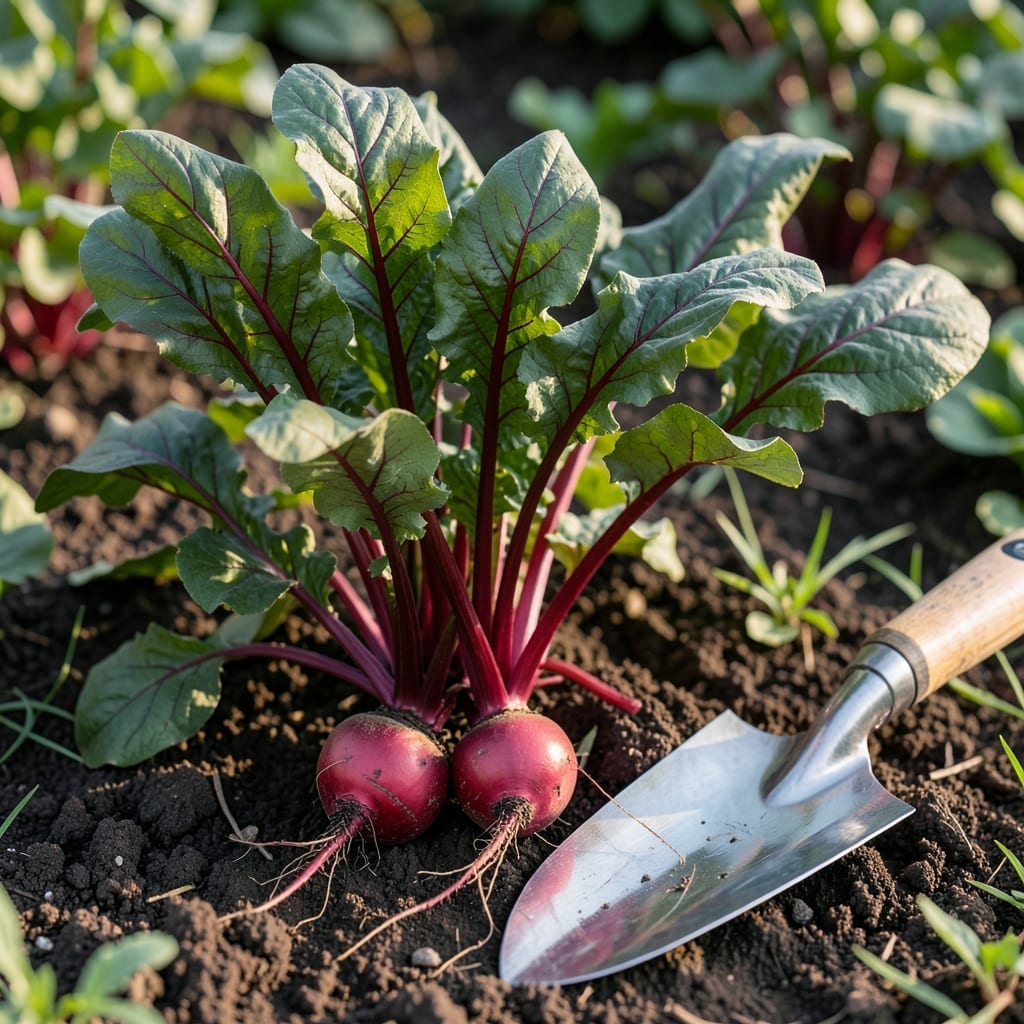
Wondering how many beets you’ll harvest from each plant? The answer might surprise you—each beet seed actually produces multiple edible roots, but the final count depends on several key factors.
I remember my first beet planting season, expecting one root per seed and ending up with a cluster. It turns out, that’s completely normal for the 🥬 Beet.
What you get from each plant varies based on thinning, spacing, and variety. Some gardeners see 2-4 beets per seed cluster, while others get more with the right techniques.
Discover how to maximize your yield and what to realistically expect from your spring garden this year.

If you’re new to growing beets, you might assume each seed produces one root vegetable. However, what many gardeners don’t realize is that a single beet seed is actually a cluster of 2-4 seeds fused together. 🌱
This means that, without intervention, multiple beet plants will sprout from a single seed. Each of these can develop into a harvestable root, but they’ll compete for space and nutrients. The result? Smaller, less vigorous beets.
🌱 Good to Know
Each beet seed cluster can produce 2-4 beet roots, but thinning seedlings is crucial for full-sized, healthy beets.
To maximize your beet yield, you’ll need to thin the seedlings once they’re about 2-3 inches tall. This process involves gently pulling out the weaker sprouts, leaving only the strongest plant every 3-4 inches.
If you skip thinning, you’ll end up with a cluster of small beets that never reach their full 1-3 inch diameter. While these are still edible, they won’t be as flavorful or tender as properly spaced beets.
Another factor affecting beet yield is the variety you choose. Some types, like Detroit Dark Red, are bred for uniform size and tend to produce one strong root per plant when thinned. Others, like Chioggia, may yield slightly smaller but more numerous roots.
Soil quality and watering habits also play a role. Beets thrive in loose, well-draining soil with consistent moisture. If the soil is too compacted or dry, the roots may fork or stunt, reducing both size and quantity.
Finally, spacing at planting time matters. If you sow seeds too close together, even after thinning, the remaining plants may still compete. I recommend planting seed clusters about 4-6 inches apart in rows 12-18 inches apart for optimal growth.
With the right care, you can expect one large, high-quality beet per thinned plant. If you leave clusters unthinned, you might get 2-4 smaller beets per seed, but they’ll likely be less impressive in both size and flavor.
In my experience, taking the time to thin properly and provide ideal growing conditions results in the best harvest per plant. It’s a small effort for a big payoff in your garden’s productivity! 🌿
Not all beet varieties produce the same number of roots per plant. Some are bred for higher yields, while others prioritize size or flavor. I’ve tested many types in my garden and found consistent differences worth noting.
For example, Detroit Dark Red typically gives 2-3 beets per seed cluster, while Boltardy often produces 3-4 smaller beets. The variety you choose directly impacts your harvest expectations.
| Variety | Beets per Plant | Size |
|---|---|---|
| Detroit Dark Red | 2-3 | Medium-Large |
| Boltardy | 3-4 | Small-Medium |
| Chioggia | 2-3 | Medium |
| Golden Beet | 2-3 | Medium |
If you’re aiming for maximum beets per plant, Boltardy is your best bet. Its resistance to bolting also means you’ll get a reliable harvest even in warmer weather.
For larger individual beets, I recommend Detroit Dark Red. You’ll get fewer roots per cluster, but each one will be substantially bigger at maturity.
Chioggia strikes a nice balance with 2-3 beets per plant and its famous striped interior. It’s a great choice if you want both visual appeal and decent yield.
Remember that growing conditions affect all varieties. In my experience, consistent watering and loose soil help each cluster reach its full potential, regardless of the type you plant. 🌱