
Beautiful Plants For Your Interior
Beautiful Plants For Your Interior
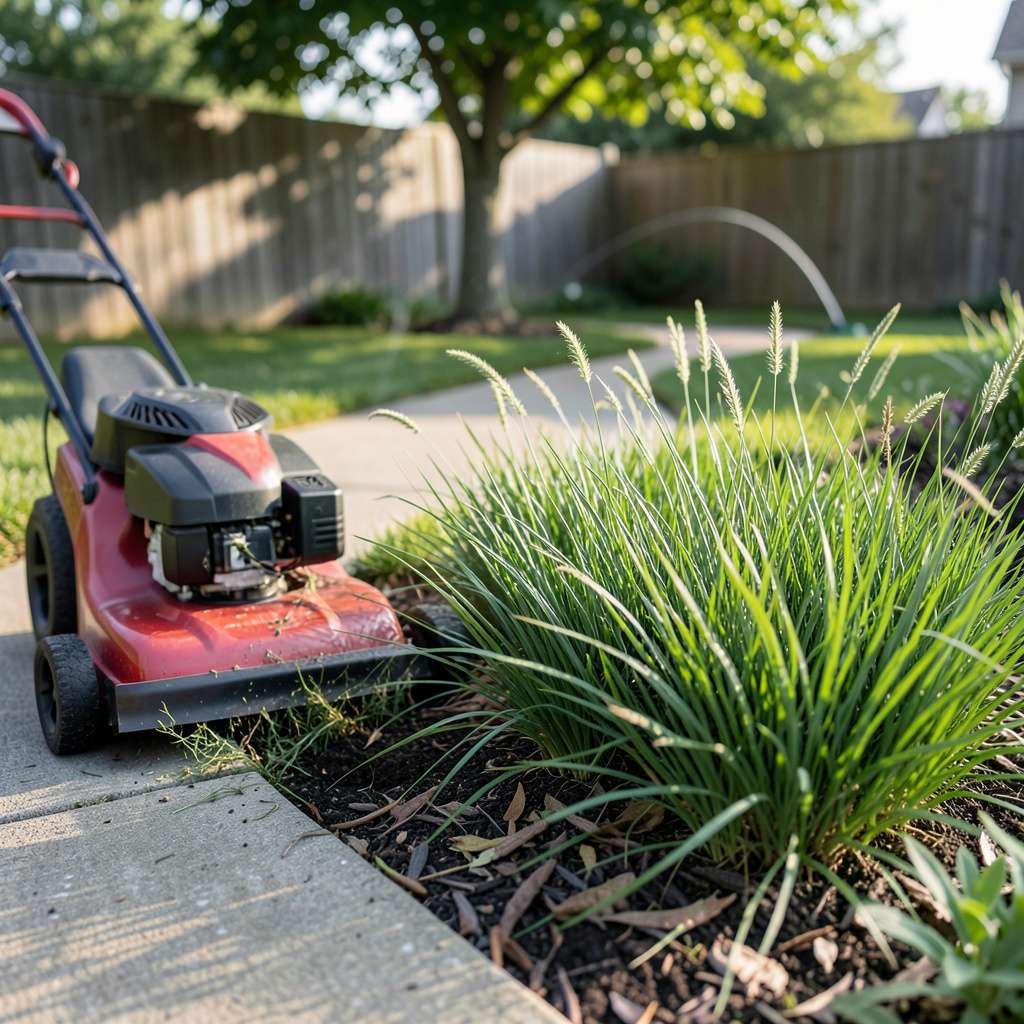
Most gas-powered lawn mowers produce 85-95 decibels—similar to a motorcycle or busy city traffic. Electric models are quieter at 70-80 decibels, closer to a vacuum cleaner. Prolonged exposure above 85 dB risks hearing damage without protection.
I’ve noticed many gardeners underestimate how quickly noise adds up during yard work. 🌿 That gas mower you fire up every weekend isn’t just loud—it’s operating at levels that can cause permanent hearing damage after just two hours of exposure without protection. What surprises most people is that electric models cut that risk significantly while still delivering solid performance. The difference between 85 dB and 70 dB might not seem huge, but it’s actually an eightfold reduction in sound energy. This explains why neighbors often complain more about gas mowers than their electric counterparts.
💡 In This Article
The difference between gas and electric mowers comes down to their power sources and mechanical designs. Gas engines create noise through combustion explosions (about 2,500 mini-explosions per minute in a typical 4-stroke engine), exhaust systems, and vibrating metal components. These combine to produce that familiar 85-95 dB roar—equivalent to standing next to a running chainsaw.
Electric models eliminate combustion noise, operating primarily through motor whir and blade rotation, which typically registers at 70-80 dB, closer to a busy restaurant than heavy machinery. ✨
Distance dramatically affects perceived loudness due to the inverse square law of sound. At 3 feet (typical operator position), a gas mower might measure 92 dB, but that drops to about 78 dB at 50 feet—still loud enough to disrupt conversation.
Battery-powered mowers follow the same physics but start quieter, often measuring 68 dB at the operator’s ear. This explains why neighbors hear gas mowers from blocks away while barely noticing electric models. The decibel scale is logarithmic, meaning 90 dB isn’t just slightly louder than 80 dB—it’s actually 10 times more intense in sound energy.
🔥
Hearing damage occurs when delicate hair cells in your inner ear (called stereocilia) become overstimulated by loud noises. OSHA regulations state that 85 dB is the safe threshold for 8 hours of exposure, but the risk doubles with every 3 dB increase.
At 90 dB (common for gas mowers), you’re limited to just 2 hours before potential damage begins. What’s particularly concerning is that this damage is cumulative and permanent—once those hair cells die, they don’t regenerate. Many gardeners don’t realize their weekly mowing routine might be slowly degrading their hearing over years. 💫
The duration of exposure matters as much as the volume. NIOSH research shows that 15 minutes at 100 dB (some commercial mowers) is as damaging as 8 hours at 85 dB. This is why professional landscapers—who often run mowers for 6-8 hours daily—are at particularly high risk.
Even electric mowers at 75 dB can become problematic during extended use. The solution isn’t just about volume but about managing cumulative exposure through breaks, rotation of tasks, and proper protection. ⚡
Comparing to everyday noises puts this in perspective: a normal conversation is about 60 dB, a food blender hits 88 dB, and a rock concert reaches 110 dB. Your gas mower sits squarely between that blender and concert—loud enough to require protection but not so extreme that people instinctively cover their ears.
The danger lies in the repetition: unlike a single concert, mowing happens 20-30 times per year, with each session adding to potential hearing loss. Electric mowers bring that risk down to levels comparable to heavy traffic or a loud television. 🌟
Engine design plays a surprising role in noise levels. Overhead valve (OHV) engines tend to be quieter than side valve designs because they burn fuel more efficiently with less mechanical noise. Blade design matters too—mulching blades create more turbulence (and thus noise) than standard blades.
Even the mower deck material affects sound: steel decks resonate more than plastic composites. This is why two gas mowers with the same horsepower might differ by 5 dB—enough to noticeably impact both operator comfort and neighborhood relations. 💛
Seasonal factors can amplify the problem. In summer, sound travels about 15% farther than in winter due to warmer air being less dense. Early morning mowing (when air is coolest and most humid) actually contains sound better than midday sessions. Wind direction can carry mower noise 2-3 times farther downwind.
This explains why that 7 AM mowing session might draw more complaints than the same job done at 10 AM, even though the mower itself hasn’t changed. Understanding these variables helps in planning quieter mowing schedules that respect both your hearing and your neighbors’ peace. ✨
Gas mowers typically run at 85-95 dB, similar to a motorcycle or chainsaw. Electric models are significantly quieter at 70-80 dB, closer to a vacuum cleaner or busy restaurant. The difference is substantial—electric mowers produce about 1/10th the sound energy of gas models.
Prolonged exposure to 85+ dB (common with gas mowers) can cause permanent hearing loss after just 2 hours without protection. Since mowing is repetitive, the damage accumulates over years. Even electric mowers at 75 dB can become risky during extended use.
Foam earplugs with a 30+ NRR rating work well for gas mowers, cutting noise exposure by half. For electric models, earmuff-style protectors (NRR 25-28) offer comfort during longer sessions. The key is a proper seal—poorly fitted protection loses up to 50% effectiveness.
Reel mowers operate at just 60-65 dB—quieter than conversation—ideal for small yards. Robotic mowers run at 58-68 dB and can be scheduled for off-hours. Some premium gas models now feature sound-dampening designs, reducing levels to 82 dB.
Yes! Early mornings carry sound farther due to cool, dense air. Mid-morning (9-11 AM) is ideal as atmospheric conditions naturally dampen noise. Windy days amplify sound toward neighbors, while calm days contain it better.
