
Beautiful Plants For Your Interior
Beautiful Plants For Your Interior
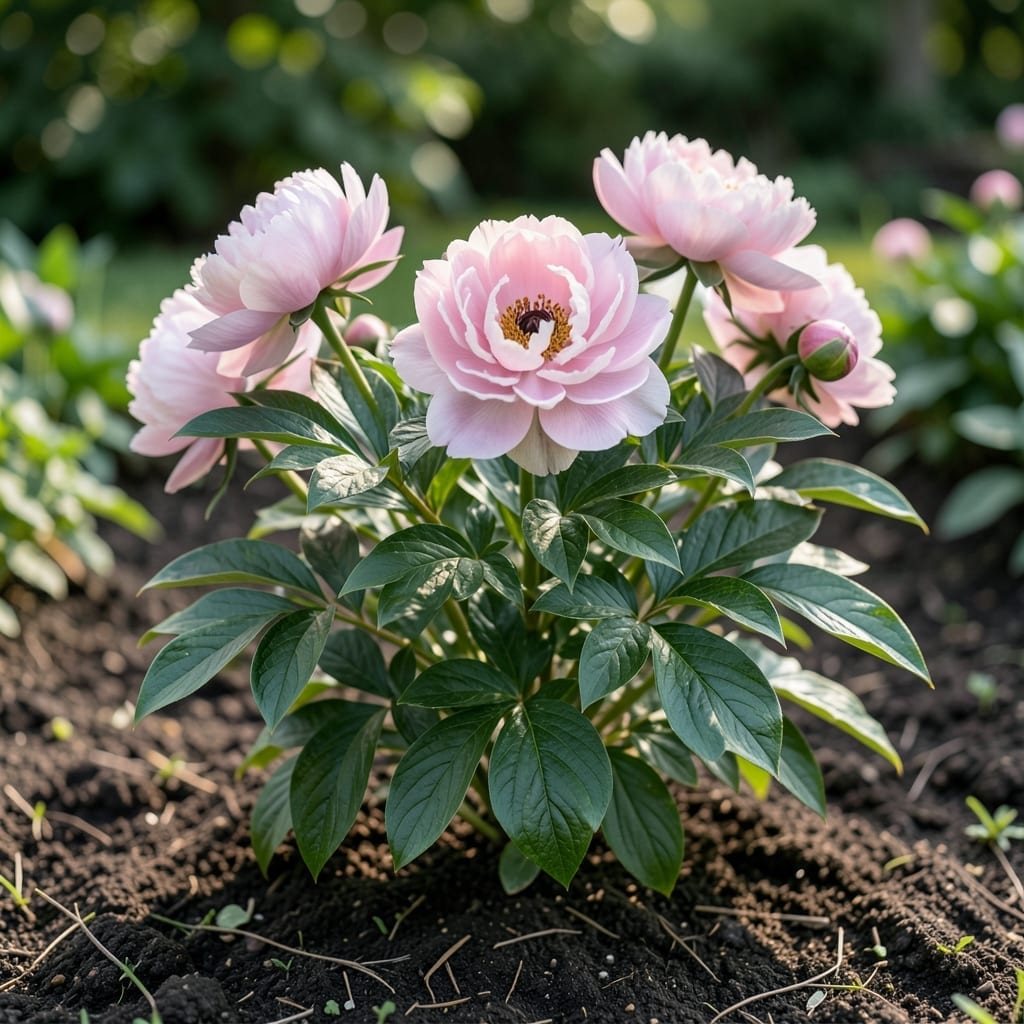
Peonies are beloved for their lush, fragrant blooms, but their timeline from planting to first flowers can test any gardener’s patience. I remember staring at my bare-root 🌸 Peony the first year, wondering when I’d see those iconic flowers.
Understanding this journey helps set realistic expectations. These plants don’t rush their beauty, and that’s part of their charm. The wait is worth it when you finally see those first vibrant petals.
Whether you’re planting in zones 3-8 or just curious about the process, knowing what to expect makes the experience easier. The timeline varies, but there are clear milestones along the way.
Discover what influences your Peony’s blooming schedule and how to nurture it through each stage. The first flowers might take time, but the payoff is spectacular.
If you’ve just planted peonies and are wondering when to expect those stunning blooms, I’ve got good news and bad news. The bad news? Peonies are slow to establish. The good news? Once they do, they’ll reward you for decades with minimal care.
Most gardeners don’t realize that bare-root peonies often take 2-3 years to produce their first flowers. This is because the plant focuses on root development before it can support blooms. Patience truly is a virtue here.
| Stage | Timeline | What to Expect |
|---|---|---|
| Year 1 | Planting | Root establishment, no blooms |
| Year 2 | Spring | Possible sparse blooms |
| Year 3 | Spring | Full, healthy blooms |
| Year 4+ | Annual | Reliable, abundant flowers |
I remember planting my first herbaceous peonies and feeling a bit disappointed when nothing happened the first spring. But by year three, those same plants were covered in lush, fragrant blooms that lasted for weeks.
The type of peony also affects your wait time. Tree peonies may bloom a year earlier than herbaceous varieties, while intersectional peonies (like the popular ‘Bartzella’) often fall somewhere in between.
Your planting method matters too. Container-grown peonies might bloom in their first year, while bare-root plants need more time to establish. I always recommend planting in early fall to give roots a head start.
Soil and sunlight conditions play a huge role. Peonies thrive in well-draining soil with full sun (at least 6-8 hours daily). If your soil is heavy or your garden is shady, expect a longer wait.
Watering consistently during the first year helps root systems develop faster. Aim for 1-2 inches of water weekly, but avoid overwatering. I’ve found that morning watering works best to prevent fungal issues.
If you’re in a colder climate (USDA zones 3-5), your peonies might take an extra year to bloom compared to warmer zones. Conversely, gardeners in zones 6-8 often see flowers a bit sooner.
Remember, even if you don’t see blooms right away, your peonies are building a strong foundation underground. That first bloom is worth the wait—it’s like a garden milestone you’ll never forget. ☀️
And once they start blooming, peonies can live and flower for 50-100 years with proper care. That’s a lifetime of beauty from just a few years of patience! 🌷
If you’re eager to see your peonies bloom sooner, proper care can make a difference. The first step is planting depth—bury the eyes no deeper than 2 inches below the soil surface to avoid delaying blooms.
I’ve found that full sun exposure (6-8 hours daily) and well-draining soil rich in organic matter help peonies establish faster. Consistency in watering, especially during dry spells, also supports root development.
Many gardeners make the mistake of planting too deep, which can delay blooming by years. I always double-check the eye placement to ensure they’re facing upward and just below the soil.
Feeding your peonies with a balanced fertilizer in early spring and again after blooming can encourage stronger growth. However, avoid high-nitrogen options, as they promote foliage over flowers.
Finally, remember that tree peonies may bloom sooner than herbaceous types, but all varieties benefit from consistent care. With the right conditions, you might see first blooms as early as the second year. ☀️
Keep an eye out for bud blast, a condition where buds turn brown and fail to open. This often signals stress from late frosts or improper care, so protect plants during sudden temperature drops. 🌱