
Beautiful Plants For Your Interior
Beautiful Plants For Your Interior
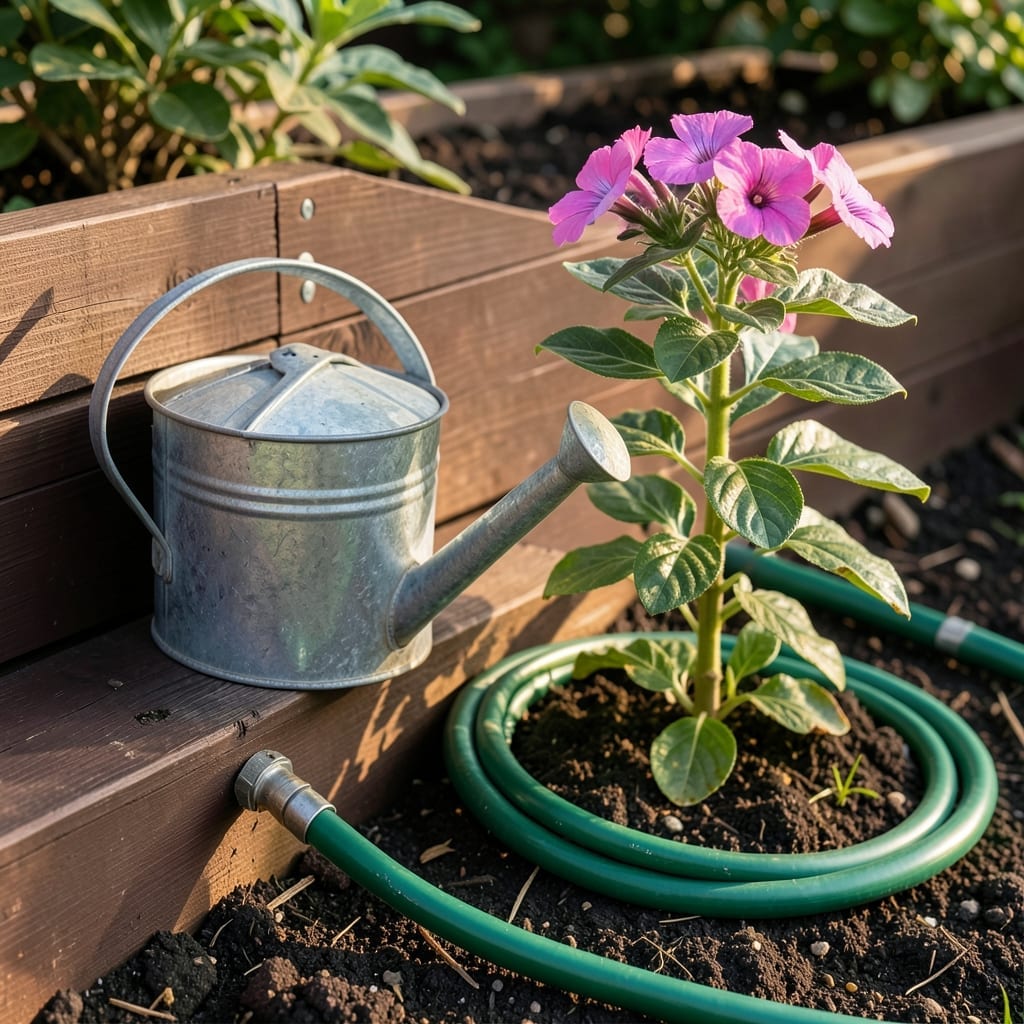
Overwatering or underwatering can spell disaster for your 🌸 Flowers, but getting the timing right ensures vibrant, healthy blooms all season long.
I’ve seen too many gardens struggle simply because they didn’t know when to stop or start watering. The difference between wilting and thriving often comes down to just 5 minutes of attention.
What if you could confidently give your flowers exactly what they need? I’ll show you how to read the signs and adjust your approach for healthier results.
Discover the simple but powerful techniques that transform good gardens into great ones. Let’s make this your best growing season yet.
Getting the watering duration right is key for healthy flower growth. Different flower types and climate conditions demand unique approaches to avoid waste or damage.
I’ve found that soil absorption rates and seasonal adjustments play a huge role in determining the perfect watering schedule for vibrant blooms.
| Flower Type | Watering Duration | Climate Adjustment |
|---|---|---|
| Annuals | 10-15 minutes | Daily in heat |
| Perennials | 15-20 minutes | 2x weekly dry |
| Succulents | 5-7 minutes | Weekly arid |
| Tropical | 20-25 minutes | Daily humid |
For annual flowers like marigolds or petunias, a 10-15 minute watering session works well in most climates. These plants have shallow roots, so frequent, shorter sessions prevent evaporation.
With perennials such as daylilies or coneflowers, I recommend 15-20 minutes of watering. Their deeper root systems need thorough soaking, especially during dry spells.
In hot climates, you might need to water daily for 10-15 minutes to combat evaporation. Use early morning or late evening to reduce water loss.
Succulents like sedum or hen-and-chicks thrive with just 5-7 minutes of watering. Overwatering these can lead to root rot, so let the soil dry completely between sessions.
For tropical flowers such as hibiscus or bird-of-paradise, a 20-25 minute soak is ideal. These plants love consistent moisture but need well-draining soil to prevent waterlogging.
In humid climates, reduce the frequency but increase the duration. For example, 20 minutes every other day works better than daily 10-minute sessions. This prevents fungal growth while ensuring deep root hydration.
Always check the top 1-2 inches of soil before watering. If it feels dry, it’s time to water. If it’s damp, wait another day to avoid overwatering your flowers
I’ve seen even experienced gardeners struggle with watering duration for flowers. The key is observing plant signals rather than sticking to a rigid schedule. Wilting leaves often indicate thirst, but don’t assume—check the soil first.
Overwatering is just as harmful as underwatering. Yellowing leaves or mushy stems are red flags for too much moisture. Meanwhile, dry, crumbly soil means your flowers are parched. Adjust your approach based on these clues.
I always recommend the finger test: stick your finger 2 inches into the soil. If it’s dry, it’s time to water. For potted flowers, check daily in hot weather since containers dry out faster.
Another trick is watching leaf color. Dark green leaves with brown edges often mean too much water. Pale or crispy leaves usually mean too little. Your flowers will tell you what they need if you pay attention.
Seasonal changes matter too. In summer heat, I water my flowers early morning to prevent evaporation. In cooler months, I cut back to once a week or less, depending on rainfall.
Remember, consistency is more important than duration. A deep watering once a week beats daily light sprinkles that encourage shallow roots. Your blooms will thank you with vibrant color and strong growth. 🌸