
Beautiful Plants For Your Interior
Beautiful Plants For Your Interior
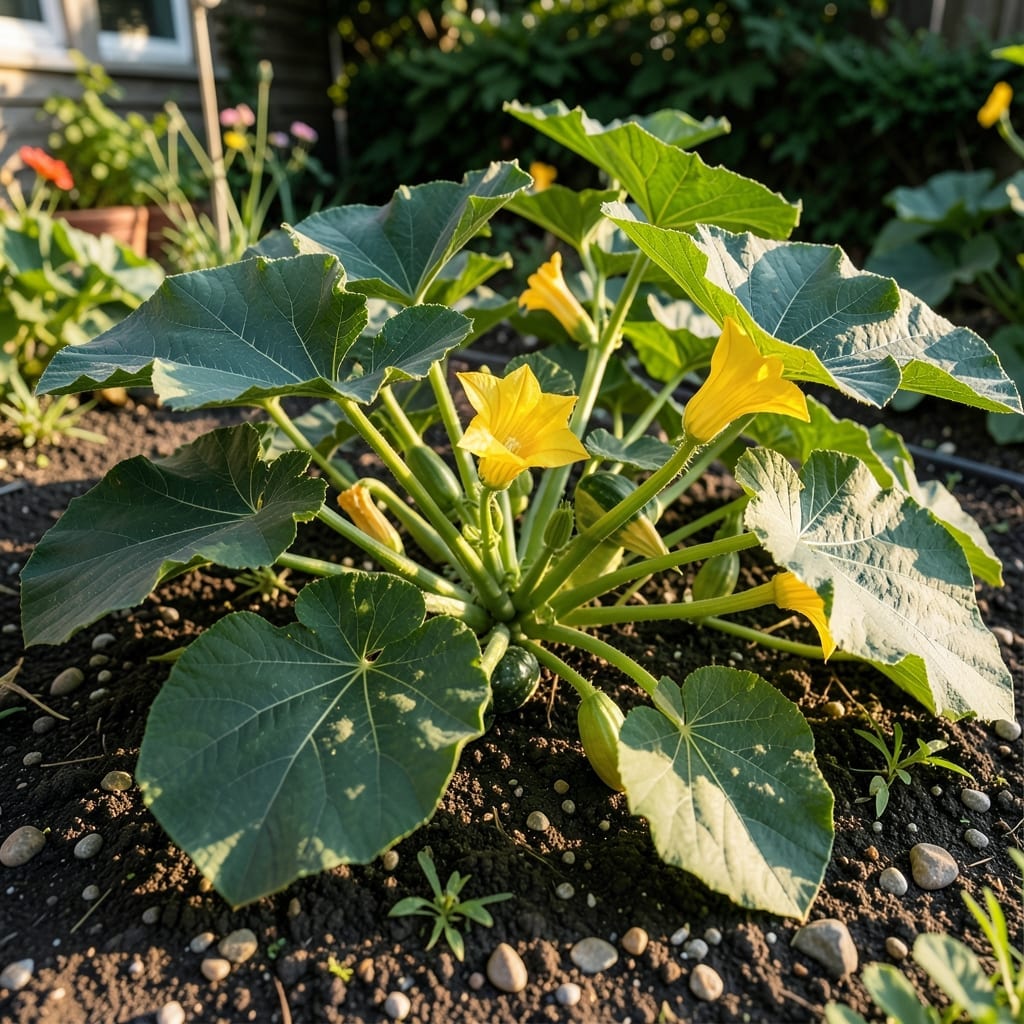
Nothing beats the satisfaction of watching your garden thrive, especially when you’re growing 🎃 Squash. But here’s the thing: timing is everything with this rewarding crop.
From the moment you plant those first seeds in spring, you’re counting down the days until harvest. Whether you’re a seasoned gardener or just starting out, knowing what to expect makes all the difference.
I’ll walk you through the complete journey from seedling to mature Squash. You’ll discover exactly how to plan your growing season for the best results.
By the end, you’ll have a clear roadmap for nurturing your Squash plants through every stage. Let’s get started on this rewarding gardening adventure.


Understanding the squash growth stages helps me plan my garden effectively. Each phase, from germination to harvest, has unique needs and timelines that vary by squash type and growing conditions. 🌱
For summer squash like zucchini, the process is faster, while winter squash such as butternut takes longer. I’ll break down each stage so you know exactly what to expect and when to take action. 🌿
| Stage | Duration | Key Action |
|---|---|---|
| Germination | 5-10 days | Keep soil moist and warm |
| Seedling | 2-3 weeks | Thin to strongest plants |
| Vine Growth | 3-4 weeks | Provide trellis support |
| Flowering | 4-6 weeks | Watch for pollinators |
| Fruiting | 6-10 weeks | Monitor fruit development |
| Harvest | 45-90 days | Check ripeness signs |
The germination stage begins when I plant seeds in warm soil (at least 60°F). This is critical because cold soil can delay or prevent sprouting entirely. I always use a soil thermometer to confirm conditions. 🌡️
Once sprouted, the seedling stage requires careful attention. I thin seedlings to the strongest one or two per hill to avoid competition. Overcrowding can stunt growth and reduce yields significantly. ✂️
During vine growth, squash plants develop rapidly. I ensure they have ample space (3-4 feet apart) and provide a trellis for vertical varieties. This improves air circulation and reduces disease risk. 🌿
The flowering stage is fascinating because squash plants produce male and female flowers. I watch for bees and pollinators to ensure proper fertilization. Without pollination, fruits won’t develop. 🐝
As fruits form, I monitor their size and color closely. For summer squash, harvest begins in as little as 45 days. For winter squash, it can take up to 90-100 days for full maturity. ☀️
Finally, I check for harvest readiness by assessing the rind hardness and stem dryness. For butternut squash, a hard rind and dry stem signal it’s time to pick. 🪴
If you’re eager to harvest squash, the timeline varies significantly by type. Summer squash like zucchini and yellow squash can be ready in 45-55 days, while winter varieties take much longer.
For example, butternut squash typically needs 80-100 days to mature. Knowing these differences helps you plan your garden and set realistic expectations for each squash variety.
| Variety | Time to Maturity | Type |
|---|---|---|
| Zucchini | 45-55 days | Summer |
| Yellow Squash | 50-60 days | Summer |
| Butternut | 80-100 days | Winter |
| Acorn | 70-85 days | Winter |
| Spaghetti | 85-100 days | Winter |
I always recommend checking the seed packet for precise days to maturity, as this can vary slightly by brand and growing conditions. Soil temperature and sunlight play huge roles in growth speed.
For faster results, summer squash varieties are your best bet. They’re perfect for gardeners in shorter growing seasons or those who want quick harvests. Just be prepared for a bountiful yield—these plants produce abundantly!
On the other hand, winter squash requires patience but rewards you with longer storage life. If you have the space and time, varieties like butternut or hubbard are well worth the wait.
To optimize growth, ensure your squash plants receive full sun and consistent watering. A little extra care can shave days off your timeline and improve fruit quality significantly.
Remember, these timeframes are general estimates. Your local climate and gardening practices will influence the final countdown to harvest 🌱