
Beautiful Plants For Your Interior
Beautiful Plants For Your Interior
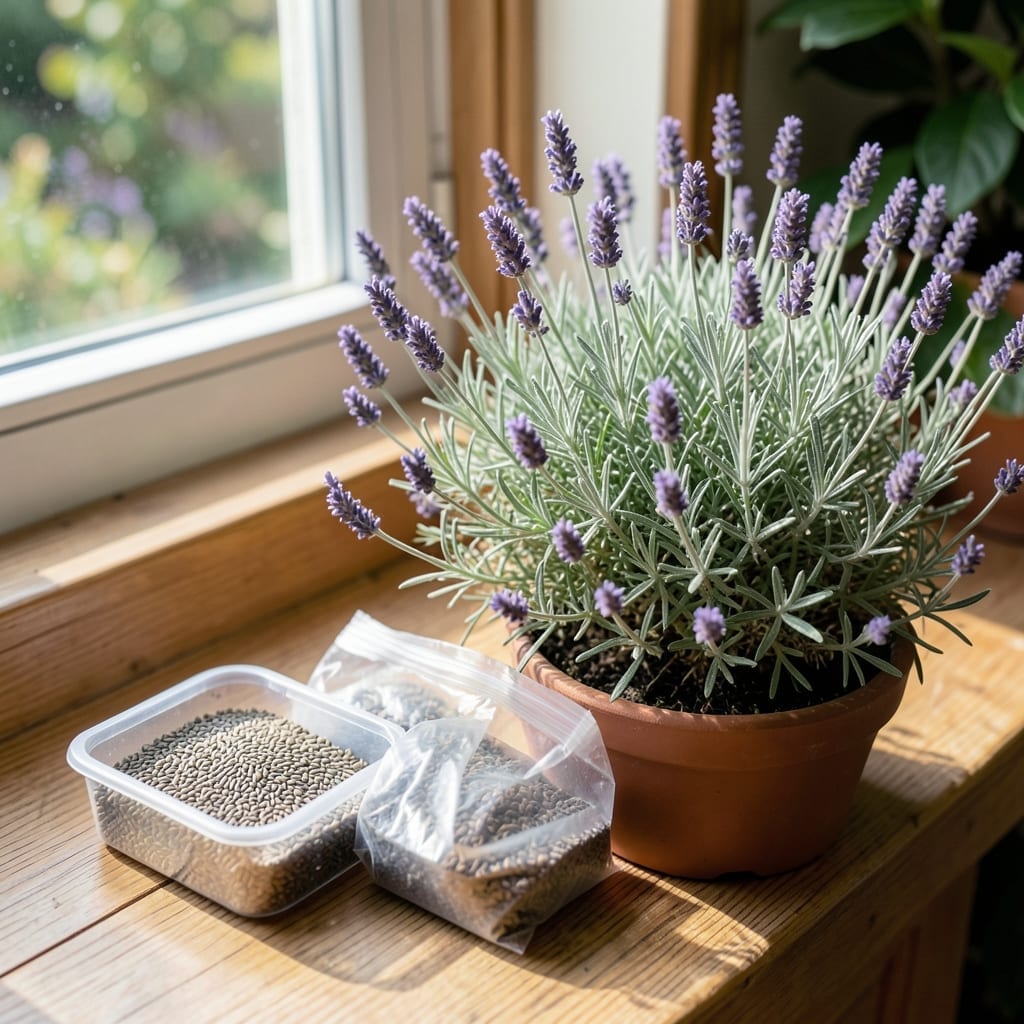
Struggling to grow 🌿 Lavender from seed? You’re likely missing the most important first step that nature handles automatically in the wild.
Cold stratification is the key to breaking dormancy and kickstarting germination. Without it, even premium seeds may refuse to sprout, leaving you with empty seed trays and frustration.
I’ll show you exactly how long to treat your seeds and why this process works. It’s easier than you think, and the results are well worth the minimal effort.
Discover the simple method that transforms stubborn seeds into thriving Lavender plants, ready to fill your garden with color and fragrance.
If you’ve ever wondered why your lavender seeds won’t sprout, the answer often lies in cold stratification. This process mimics winter, breaking the seed’s natural dormancy so it can germinate properly.
For lavender seeds, the sweet spot is 4 to 6 weeks of cold stratification at temperatures between 35°F and 40°F. This duration ensures the seeds receive enough chill to trigger germination.
| Requirement | Specification |
|---|---|
| Duration | 4-6 weeks |
| Temperature | 35-40°F |
| Method | Moist paper towel or sand |
| Preparation | Damp but not soggy |
I always prepare my seeds by mixing them with damp sand or placing them between moist paper towels in a sealed bag. This keeps the environment consistent and prevents the seeds from drying out.
The science behind stratification is fascinating. Lavender seeds, like many perennials, have a hard outer coat that prevents premature germination. Cold stratification softens this coat, allowing water to penetrate and kickstart growth. ☀️
If you’re short on time, you can push the lower end of the range at 30 days, but I’ve found that 6 weeks yields the highest germination rates. Anything less, and you risk poor sprouting.
Temperature control is critical. A standard refrigerator works perfectly, but avoid freezing the seeds, as below 32°F can damage them. Consistency is key—fluctuations can disrupt the process.
For outdoor stratification, I bury seeds in well-draining soil during winter. Nature handles the chilling, but I mark the spot clearly to avoid disturbing the seeds before spring planting.
After stratification, check for slight swelling or a cracked seed coat. These are signs your lavender seeds are ready to plant. If they look unchanged, give them a few more days.
Remember, patience pays off. Rushing the process often leads to disappointing results, so stick to the 4-6 week timeline for the best outcome. 🌱
I’ve found that cold stratification is the game-changer for lavender seed germination. It breaks dormancy by tricking seeds into thinking they’ve endured winter. Without this, your seeds might stay stubbornly asleep, no matter how perfect your soil is.
There are two reliable methods I recommend: refrigerator stratification and outdoor stratification. Each has its advantages, depending on your climate and timeline. Let me walk you through both.
For the refrigerator method, I mix lavender seeds with damp sand or paper towels in a sealed bag. Then, I store them in the fridge at 35-40°F for 4-6 weeks. Check weekly for moisture and mold.
The outdoor method is simpler but riskier. I plant seeds in well-draining soil in fall, letting nature handle the cold. Just ensure the soil stays consistently moist but not soggy.
Whichever method you choose, keep the moisture levels steady. Too dry, and the seeds won’t break dormancy. Too wet, and they might rot. Balance is key for successful stratification.
Once stratified, your lavender seeds will sprout faster and stronger. I’ve seen germination rates double with this step. It’s a small effort for a big reward in your garden 🌱