
Beautiful Plants For Your Interior
Beautiful Plants For Your Interior
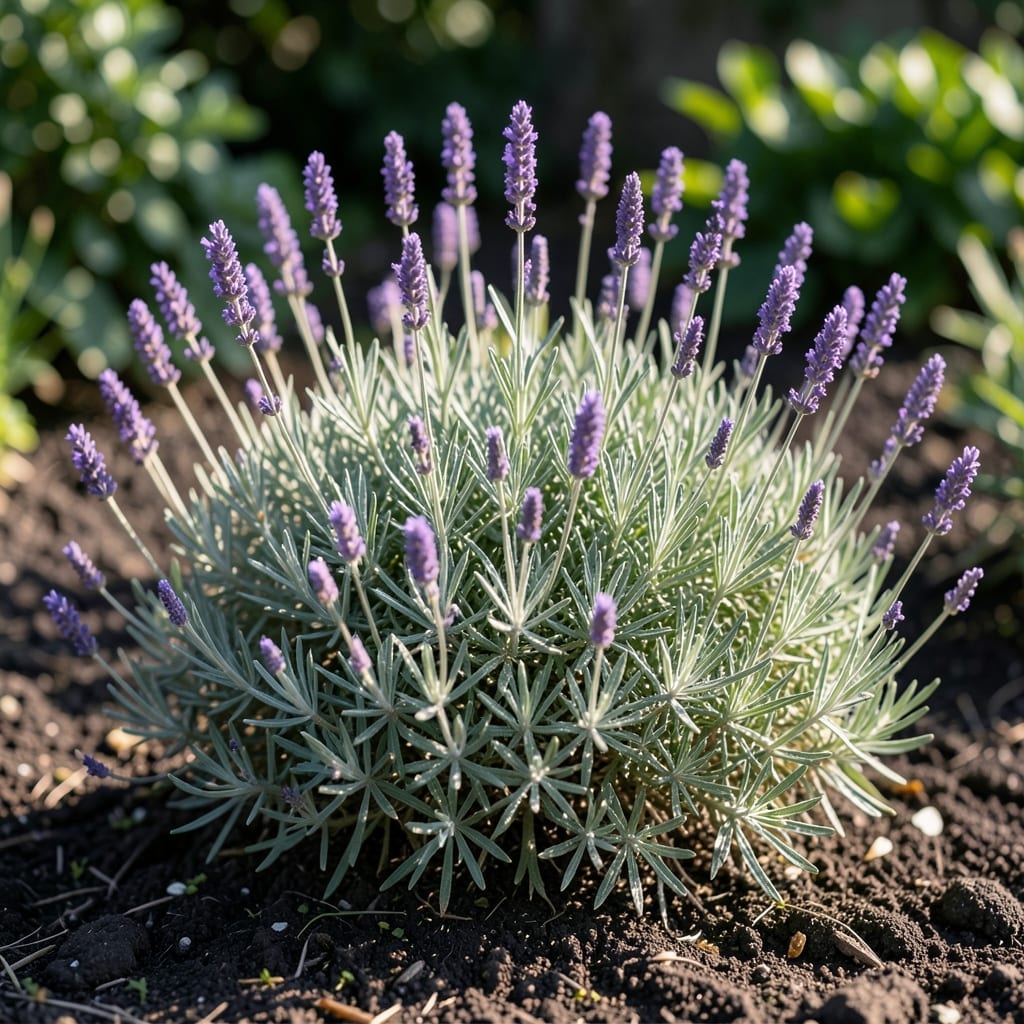
Patience is key when growing Lavender 🟣 from seed, as this fragrant herb follows its own slow and steady timeline.
Understanding the growth stages helps set realistic expectations for your first purple blooms. It’s not a race, but knowing what to expect makes the wait easier.
From the moment you plant those tiny seeds, the journey to maturity can span 1-2 years. That’s why many gardeners opt for starter plants to speed up the process.
I’ll walk you through each stage, so you’ll know exactly what to watch for and how to nurture your Lavender along the way. Let’s get started.


Growing lavender from seed requires patience, as this fragrant herb doesn’t rush its journey. The first blooms typically appear in 1-2 years, but understanding each stage helps manage expectations. I’ve seen gardeners surprised by the slow start, but the wait is worth it.
From germination to maturity, lavender passes through distinct phases. Environmental factors like soil type, sunlight exposure, and watering habits can influence the timeline. Let’s break down what to expect at each step. 🌱
| Growth Stage | Timeframe | Key Details |
|---|---|---|
| Germination | 14-28 days | Keep soil moist but not soggy |
| Seedling Development | 8-12 weeks | Transplant when 2-3 inches tall |
| Vegetative Growth | 6-12 months | Focus on root and foliage growth |
| First Blooms | 1-2 years | Purple flowers appear in summer |
| Full Maturity | 2-3 years | Reaches 2-3 feet tall |
During germination, lavender seeds need consistent moisture and warmth (70°F). I recommend using a seed-starting mix for best results. This stage can take 2-4 weeks, so don’t lose hope if sprouts are slow.
Once seedlings emerge, they’ll spend 8-12 weeks developing strong roots and true leaves. This is when I start hardening them off for transplanting. Avoid rushing this phase, as weak seedlings struggle outdoors.
The vegetative stage lasts 6-12 months, where lavender focuses on foliage growth. I’ve noticed plants in full sun and well-draining soil grow faster. Prune lightly to encourage bushier growth. ✂️
Your patience pays off in year 1-2 with the first purple blooms. I celebrate this milestone every summer! The flowers may be sparse initially but become more abundant each year.
By year 3, your lavender should be fully mature, reaching 2-3 feet tall. At this point, it’s drought-tolerant and requires minimal care. I love how established plants attract pollinators like bees and butterflies.
Remember, lavender from cuttings often blooms faster—sometimes in 6-12 months. If you’re impatient, this method might be worth trying. Either way, the fragrant rewards are well worth the wait! 🌿
If you’re eager to see those purple blooms sooner, starting with starter plants instead of seeds can shave off a full year. I’ve found this method gives you flowers in the first season rather than waiting.
For seed growers, indoor starting 8-10 weeks before the last frost gives your lavender a head start. This way, it’s already established when moved outside, reducing the time to first blooms.
I always recommend propagating from cuttings if you have access to mature lavender. These often bloom in their first year, unlike seeds which need 1-2 years to mature and flower.
Soil conditions are also crucial. Lavender thrives in sandy, alkaline soil with a pH between 6.5-8. I mix in some lime if my soil is too acidic.
Remember that overwatering is the enemy. Lavender is drought-tolerant once established, so let the soil dry out between waterings. This encourages deeper root growth and faster maturation.
Finally, prune young plants lightly to promote bushier growth. I do this in early spring, just as new growth appears. It’s amazing how this simple step can boost flowering in the first year. ☀️