
Beautiful Plants For Your Interior
Beautiful Plants For Your Interior
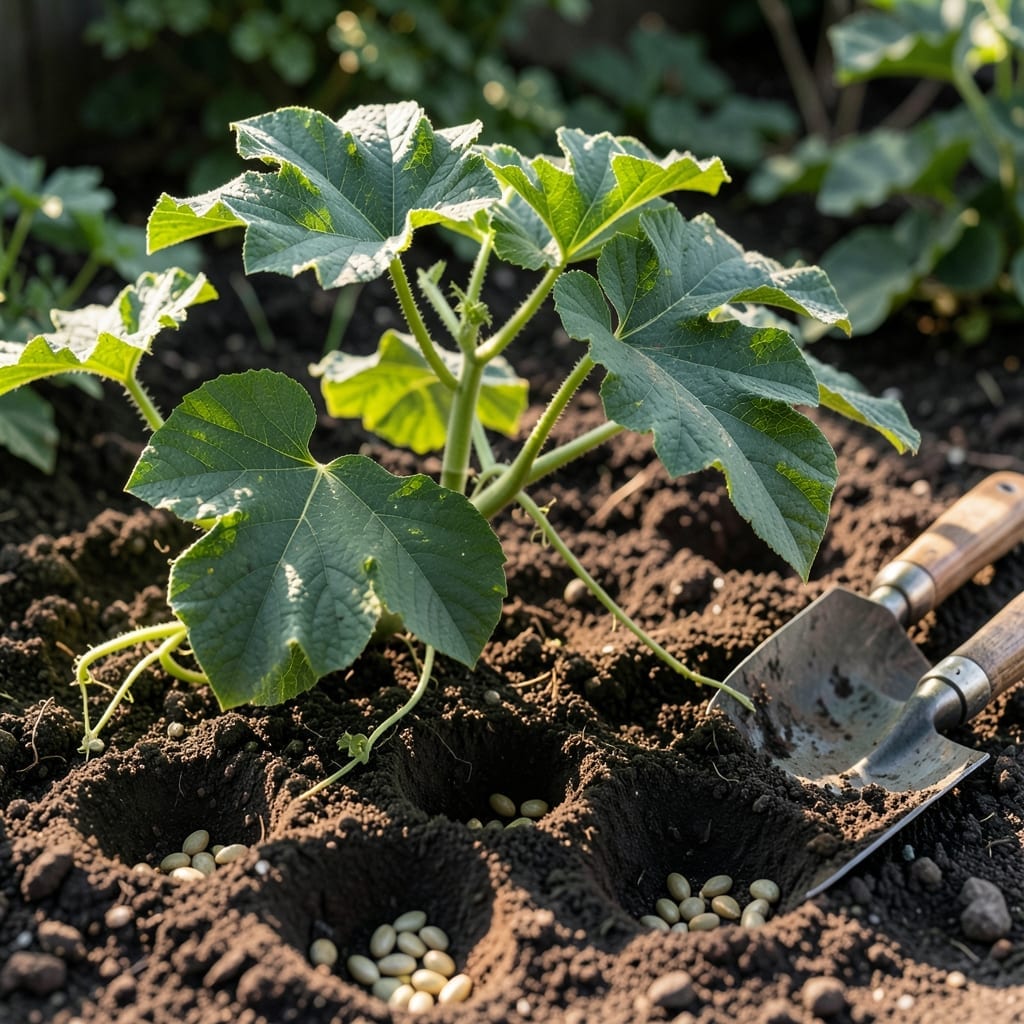
Watermelon seeds can test your patience, but knowing the exact germination timeline turns the waiting game into a confident gardening strategy.
I remember planting my first 🍉 Watermelon seeds and staring at the soil for days, wondering if anything would happen. That uncertainty ends today.
Whether you’re planting in a backyard plot or a small container, timing is everything for a successful harvest. Let me share what I’ve learned about getting those first sprouts to appear.
Discover the simple conditions that make all the difference and how to spot the first signs of life in your garden.
If you’re wondering how long for watermelon seeds to sprout, the answer depends on conditions. Under ideal circumstances, you’ll see sprouts in 5-10 days. But cooler soil can stretch that to two weeks or more.
I’ve found that soil temperature is the biggest factor. Watermelon seeds need at least 70°F to germinate reliably. Below 60°F, they may not sprout at all, so I always use a soil thermometer.
| Stage | Timeframe | Key Conditions |
|---|---|---|
| Planting | Day 0 | Soil temp 70-85°F |
| Initial Sprouting | 5-10 days | Moist soil, full sun |
| Full Germination | 7-14 days | Consistent moisture |
| Delayed Sprouting | Up to 21 days | Cooler soil (60-70°F) |
For the fastest results, I pre-soak seeds for 12-24 hours before planting. This softens the seed coat and can reduce sprouting time by a day or two. Just don’t soak longer, or you risk seed rot.
Planting depth matters too. I place seeds 1 inch deep in loose, well-draining soil. Any deeper, and the sprouts struggle to break through. In heavier clay, I mix in compost to improve drainage.
Another trick I use is a heat mat for indoor starts. It keeps the soil at that sweet spot of 75-80°F, which can cut germination time to 4-5 days. Just remove the mat once sprouts appear to avoid leggy seedlings.
If you’re direct sowing outdoors, wait until after the last frost when soil has warmed. In my Zone 6 garden, that’s usually mid-May. Using black plastic mulch can help warm the soil faster.
Watermelon varieties also play a role. Sugar Baby and Crimson Sweet tend to sprout quickly, while heirlooms may take a few extra days. Always check the seed packet for variety-specific tips.
Consistent moisture is critical. I water gently but daily until germination, then taper off. A spray bottle works well to avoid disturbing seeds. Overwatering, though, can cause seed rot or fungal issues.
Finally, patience pays off. If sprouts haven’t appeared by day 14, don’t give up. I’ve had seeds sprout on day 18 in cooler springs. Just keep the soil warm and moist, and they’ll come through.
Happy gardening, and may your watermelon patch be bountiful this season 🌱
I’ve found that watermelon seeds can sprout faster with a few simple tricks. The key is creating ideal conditions before planting. Pre-soaking seeds for 12-24 hours can cut germination time significantly by softening the seed coat.
Another game-changer is using a heat mat to maintain soil temps between 70-90°F. This mimics the warm, tropical origins of watermelons and encourages quicker sprouting. Consistency in moisture levels is also critical—keep soil damp but not soggy.
Choosing the right soil mix matters too. I recommend a light, sandy loam that drains well. Watermelon seeds planted too deep struggle to emerge, so stick to 1-inch depth maximum. This prevents the seedlings from expending too much energy pushing through the soil.
Don’t underestimate the power of sunlight exposure. Place your seed trays or garden beds where they’ll get full sun (6-8 hours daily). If starting indoors, a south-facing window or grow lights can help maintain the necessary warmth and light.
Lastly, avoid common pitfalls like old seeds or cold soil. Test seed viability by placing a few in a damp paper towel—if they don’t sprout within 5-7 days, they may not be viable. And always check soil temperature with a thermometer before planting.
With these tips, you’ll see those first green shoots breaking through the soil faster than ever 🌱