
Beautiful Plants For Your Interior
Beautiful Plants For Your Interior
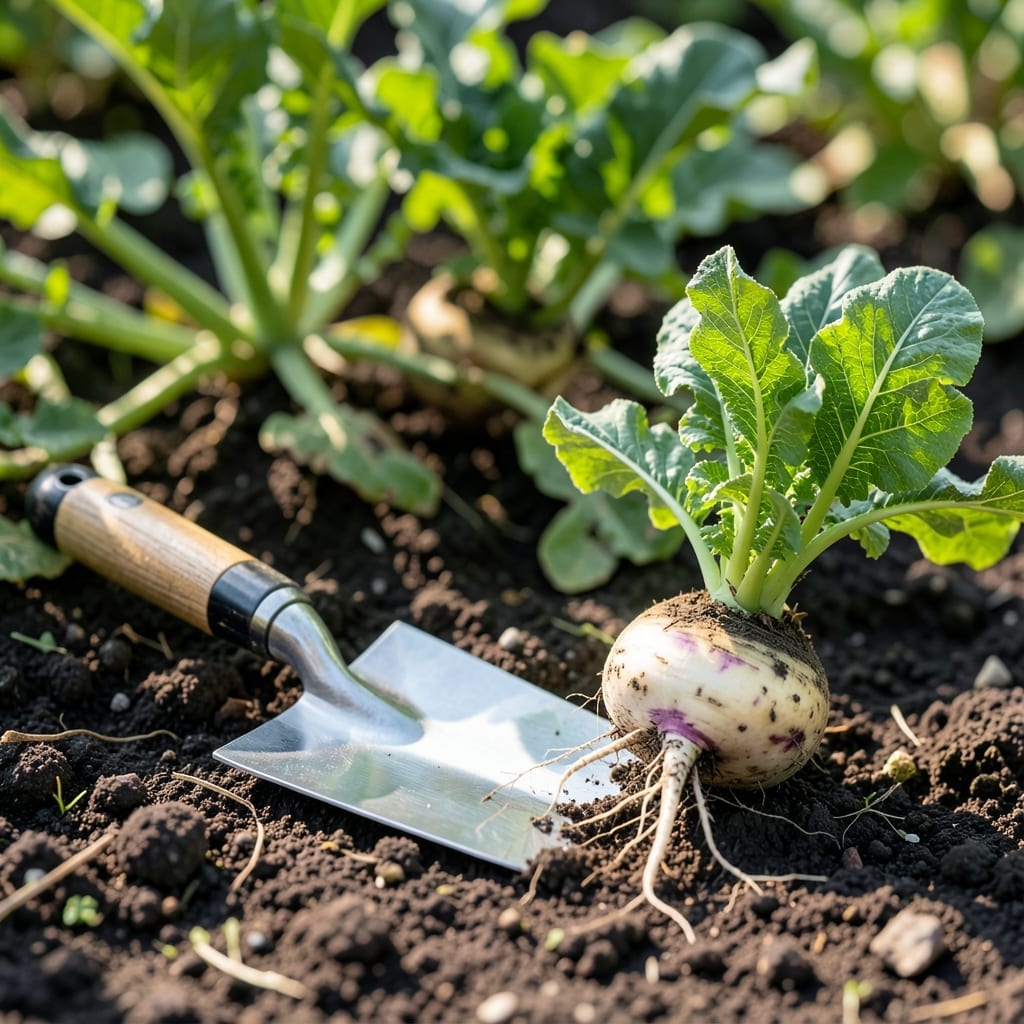
Wondering how long it takes for 🥬 Turnip to grow from seed to harvest? This humble root vegetable offers a surprisingly quick reward for impatient gardeners.
Some varieties are ready in as little as 30 days, making them perfect for those eager to see results. Whether you’re planting in zone 6a or just starting your gardening journey, turnips won’t keep you waiting long.
I’ve found that understanding the growth timeline can transform your gardening experience. From the first sprouts in March – April to harvest time in May – June, every stage is exciting to watch.
Let me walk you through what to expect and how to make the most of your Turnip growing season. The process is simpler than you might think!


If you’re eager to see results in your garden, turnips won’t disappoint. These fast-growing vegetables can go from seed to harvest in as little as 30 days for baby greens, while full roots typically need 50-70 days to mature.
The journey begins with germination, which usually takes 3-7 days in moist, warm soil. Once sprouted, the plants focus on leaf development before shifting energy to root formation. The timeline varies by variety and conditions.
| Stage | Days | Key Development |
| Germination | 3-7 | Seeds sprout in warm, moist soil |
| Leaf Growth | 10-20 | Greens reach harvestable size |
| Root Formation | 30-50 | Roots begin to swell underground |
| Maturity | 50-70 | Full-sized roots ready for harvest |
For baby turnip greens, you can start harvesting leaves at just 20-30 days. This makes turnips a fantastic choice for gardeners who want quick, continuous harvests from a single planting.
The root maturation phase is where patience pays off. Most varieties need 50-60 days to develop 2-3 inch diameter roots, though some larger types may take up to 70 days. The soil temperature plays a big role here.
Turnips thrive in cool weather, so I recommend planting in early spring or late summer for fall harvests. In warmer climates, you can even grow them through mild winters with proper protection.
If you’re growing for both greens and roots, consider successional planting every 2-3 weeks. This ensures a steady supply throughout the growing season without overwhelming your garden space.
The soil condition significantly impacts growth speed. Turnips prefer loose, well-draining soil with a pH of 6.0-7.5. Compacted or rocky soil can stunt root development and extend the growing time.
I’ve found that consistent moisture is key during the germination and root formation stages. Aim for 1 inch of water per week, either from rainfall or irrigation, to keep the growth timeline on track.
Finally, don’t forget that variety selection matters. Some turnip cultivars like ‘Tokyo Cross’ mature in about 50 days, while others like ‘Purple Top White Globe’ may take closer to 60-70 days. Always check the seed packet for specifics.
With proper care, you’ll be rewarded with both tender greens and crisp roots in a surprisingly short time 🌱
If you’re growing turnips and want faster results, several key factors can influence their growth speed. I’ve found that tweaking these elements can shave days off your harvest time. Soil quality and moisture levels are particularly critical for quick growth.
The most common varieties reach maturity in 50-70 days, but with optimal conditions, you can harvest some as early as 30 days. Let me share the variables that make the biggest difference in your turnip patch.
I always recommend testing your soil temperature before planting. A simple soil thermometer can tell you if conditions are right for those quick-sprouting seeds. Too cold, and they’ll sit dormant for weeks.
For watering, I’ve learned that morning irrigation works best. This gives plants time to absorb moisture before the heat of day and reduces evaporation. Aim for 1 inch per week during dry spells.
The variety you choose makes a huge difference. Tokyo Cross and Hakurei are known for their rapid growth, often ready in 40-50 days. These are perfect for gardeners eager for quick results.
Remember that overcrowding2-4 inches apart to give each plant room to develop properly. This simple step can significantly improve your harvest timeline. 🌱