
Beautiful Plants For Your Interior
Beautiful Plants For Your Interior
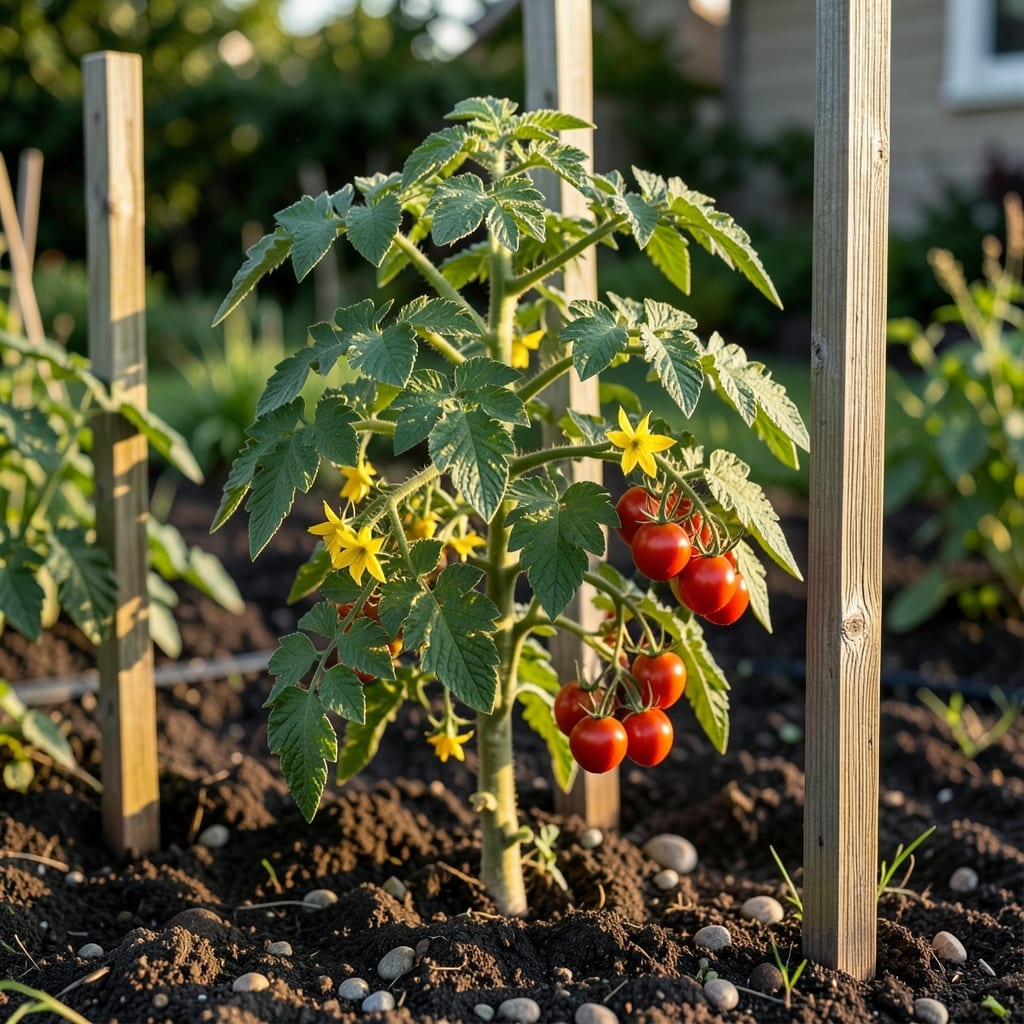
Watching a tiny 🍅 Tomato seed transform into a fruit-bearing plant feels like magic, but the waiting can test any gardener’s patience. The timeline from seed to harvest isn’t just about luck—it’s about understanding the process.
From germination to that first ripe fruit, several factors play a role in how quickly your plants mature. Climate, variety, and care all influence whether you’ll be harvesting in 50 days or waiting up to 90.
Let me break down the key stages and share how to optimize growth for a faster, more abundant harvest. You’ll know exactly what to expect and how to get the best results.


The journey from tomato seed to ripe fruit varies by type, but most follow a predictable path. Cherry tomatoes are the speedsters, often ready in 50-60 days, while beefsteaks take their time at 80-90 days. Heirlooms fall somewhere in between but may surprise you with their unique timelines.
I’ve found that germination typically takes 5-10 days under ideal conditions—think warm soil (above 60°F) and consistent moisture. Once sprouted, the real growth begins, and this is where variety and care make all the difference 🌱
| Variety | Germination | Time to Harvest | Key Notes |
|---|---|---|---|
| Cherry | 5-10 days | 50-60 days | Fastest, small fruit |
| Beefsteak | 7-12 days | 80-90 days | Large, meaty fruit |
| Heirloom | 7-14 days | 70-85 days | Unique flavors, varied colors |
| Roma | 6-10 days | 70-80 days | Paste tomato, low moisture |
After germination, your seedlings enter the vegetative stage, where they focus on leaf and stem growth. This lasts about 4-6 weeks, depending on light, water, and nutrients. I always recommend 14-16 hours of light daily for indoor starts to prevent leggy seedlings.
Once transplanted outdoors, the flowering stage begins, usually 6-8 weeks after sowing. Yellow flowers appear first, followed by tiny green tomatoes. This is when consistent watering becomes critical—1-2 inches per week keeps fruit from cracking.
The fruiting stage is where patience pays off. Small green tomatoes gradually swell and change color. Temperature plays a huge role here—70-85°F is ideal. Cooler nights can slow ripening, while extreme heat may cause blossom drop.
For faster results, I’ve had success with transplants instead of seeds. A healthy 6-week-old starter can shave 4-6 weeks off your timeline. Just be sure to harden off plants before moving them outside to avoid shock.
Soil temperature is another game-changer. I use a soil thermometer to ensure it’s at least 60°F before planting. Cold soil stunts growth and delays the entire process. Black plastic mulch can help warm the soil faster in spring.
Don’t overlook pruning and staking. Removing suckers (the shoots between the main stem and branches) directs energy toward fruit production. Indeterminate varieties like Brandywine benefit most from this, while determinate types like Roma need less intervention.
Finally, fertilizing at the right time boosts growth. I use a balanced 10-10-10 at planting, then switch to a low-nitrogen formula once flowers appear. Too much nitrogen early on leads to leafy plants with fewer fruits 🌿
If you’re eager to harvest tomatoes faster, a few simple tweaks can make a big difference. I’ve tested these methods in my own garden, and they consistently shave weeks off the typical timeline without compromising flavor or yield.
Start with warm soil—at least 60°F—to kickstart growth. Cold soil slows everything down, so I use black plastic mulch to trap heat early in the season. This alone can speed up germination by days 🌱
One of the biggest mistakes I see is over-fertilizing early on. Too much nitrogen gives you bushy plants with fewer tomatoes. Instead, I use a balanced 10-10-10 at planting, then switch to a 5-10-10 once flowers form.
Watering deeply but less often encourages strong root growth. I aim for 1-2 inches per week, either through rain or irrigation. Morning watering is best—it reduces evaporation and prevents fungal issues that can slow growth.
Pruning is another game-changer. For indeterminate varieties, I remove suckers (the shoots between the main stem and branches) to focus energy on fruit. Determinate types like Roma need less pruning, but a light trim can still help.
Finally, choose fast-maturing varieties. If speed is your goal, Cherry tomatoes like Sweet 100 or Early Girl can produce in as little as 50 days. For larger fruit, Stupice is a cold-tolerant heirloom that ripens in about 60 days ✂️