
Beautiful Plants For Your Interior
Beautiful Plants For Your Interior
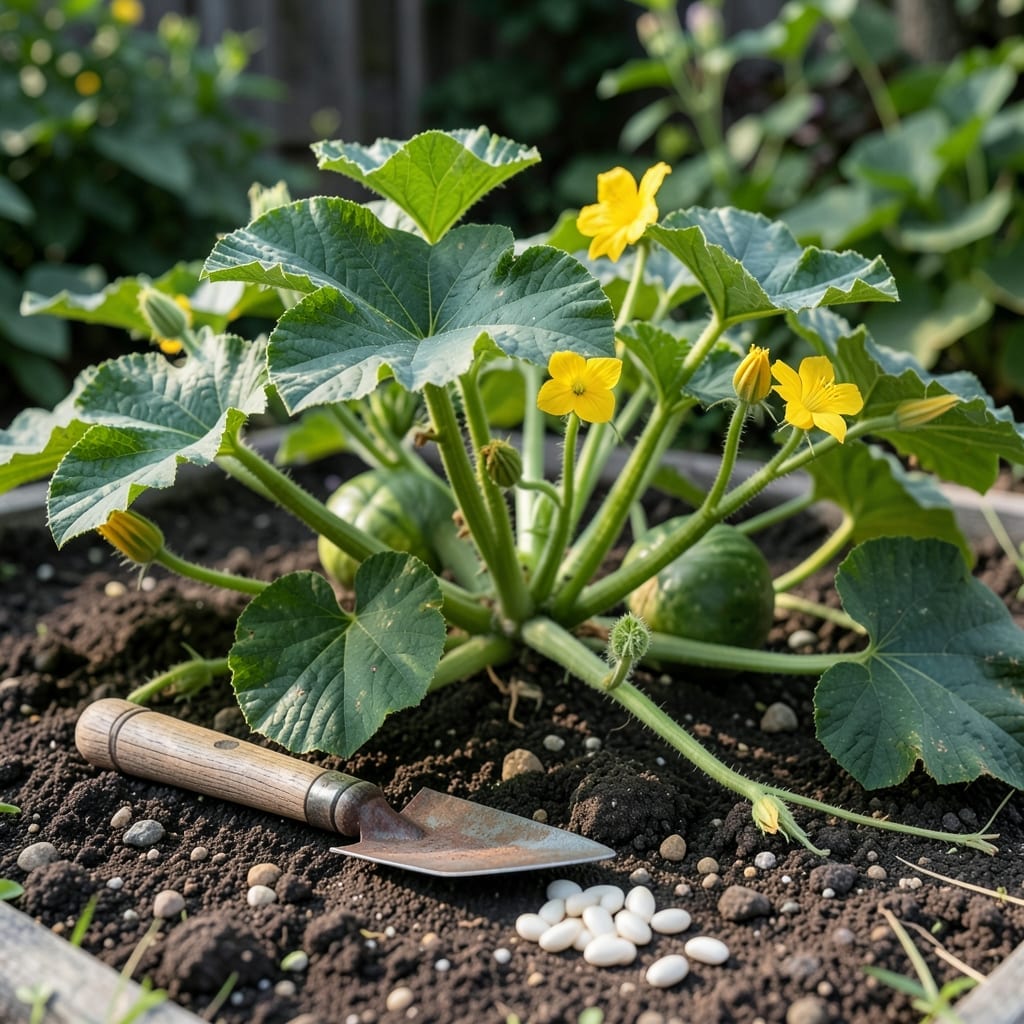
Watching 🎃 Pumpkin seeds sprout is one of the most exciting moments for gardeners. The waiting period can feel endless without knowing what to expect.
The germination time depends on several key factors you can control to speed up the process. I’ll share the ideal conditions for faster results.
From soil temperature to moisture levels, discover how to set your seeds up for success. Let’s make your pumpkin patch thrive from the very first sprout.
When you plant pumpkin seeds, the first question is always: how long until sprouts appear? Under ideal conditions, most gardeners see germination in 5-10 days, though it can take up to 14 days in cooler soil.
The process begins with seed swelling as moisture activates growth. Within 2-3 days, the seed coat softens, and the radicle (first root) emerges, anchoring into the soil. This is when consistent moisture and warmth are critical. 🌱
| Stage | Timeframe | What to Expect |
|---|---|---|
| Seed Swelling | Day 1-2 | Seed absorbs water, coat softens |
| Radicle Emerges | Day 3-4 | First root grows downward |
| Hypocotyl Elongates | Day 5-7 | Shoot pushes toward surface |
| First True Leaves | Day 10-14 | Sprout breaks soil, leaves unfurl |
After the radicle forms, the hypocotyl (the stem connecting root and seed) elongates, pushing the seed coat upward. By day 5-7, you’ll often see a tiny loop or hook at the soil surface.
This loop straightens out as it emerges, pulling the seed leaves (cotyledons) into the light. The cotyledons will unfurl and begin photosynthesis, providing energy until true leaves develop. Keep soil evenly moist during this phase.
Soil temperature is the biggest factor in speed. Pumpkin seeds germinate fastest at 85-90°F, but will still sprout at 70°F. Below 60°F, germination slows dramatically or may fail altogether. I always use a soil thermometer to check.
Moisture is equally important. Seeds need consistent dampness to soften and sprout, but soggy soil can cause rot. I water gently daily, using a spray bottle to avoid disturbing the seeds. A clear plastic cover can help maintain humidity.
You’ll know germination is progressing when you see tiny cracks in the soil surface. This means the shoot is nearing the top. Resist the urge to dig—patience is key! Once sprouts appear, remove any covers and ensure they get full sun. ☀️
If seeds haven’t sprouted by day 14, check your conditions. Are they too cold, too dry, or planted too deep? Pumpkin seeds should be sown 1 inch deep—any deeper and they’ll struggle to reach the surface.
Remember, variety matters. Smaller pumpkins like ‘Jack Be Little’ often sprout faster than giant varieties like ‘Atlantic Giant’. Always check the seed packet for specific germinating times. 🌿
If you’re eager to see pumpkin sprouts faster, focus on soil temperature first. Pumpkin seeds germinate best at 85-90°F, but will still sprout at 70°F. I use a heating mat indoors to maintain warmth.
Another key is pre-soaking seeds for 12-24 hours before planting. This softens the seed coat, allowing moisture to penetrate faster. Just don’t soak longer, or you risk seed rot. 🌱
Planting depth matters too. Pumpkin seeds should be sown 1 inch deep—any deeper, and they’ll struggle to reach the surface. I mark the depth with a ruler to ensure accuracy.
Consistent moisture is critical. Seeds need even dampness to soften and sprout, but avoid soggy soil. I water gently daily, using a spray bottle to prevent disturbing the seeds.
Once sprouts emerge, ensure they receive full sun for at least 6 hours daily. This strengthens the seedlings and prevents leggy growth. A south-facing window or grow lights work well indoors.
Finally, check your seed quality. Older seeds may take longer or fail to sprout. I always use fresh seeds from a trusted supplier and check the expiration date on the packet. ☀️