
Beautiful Plants For Your Interior
Beautiful Plants For Your Interior
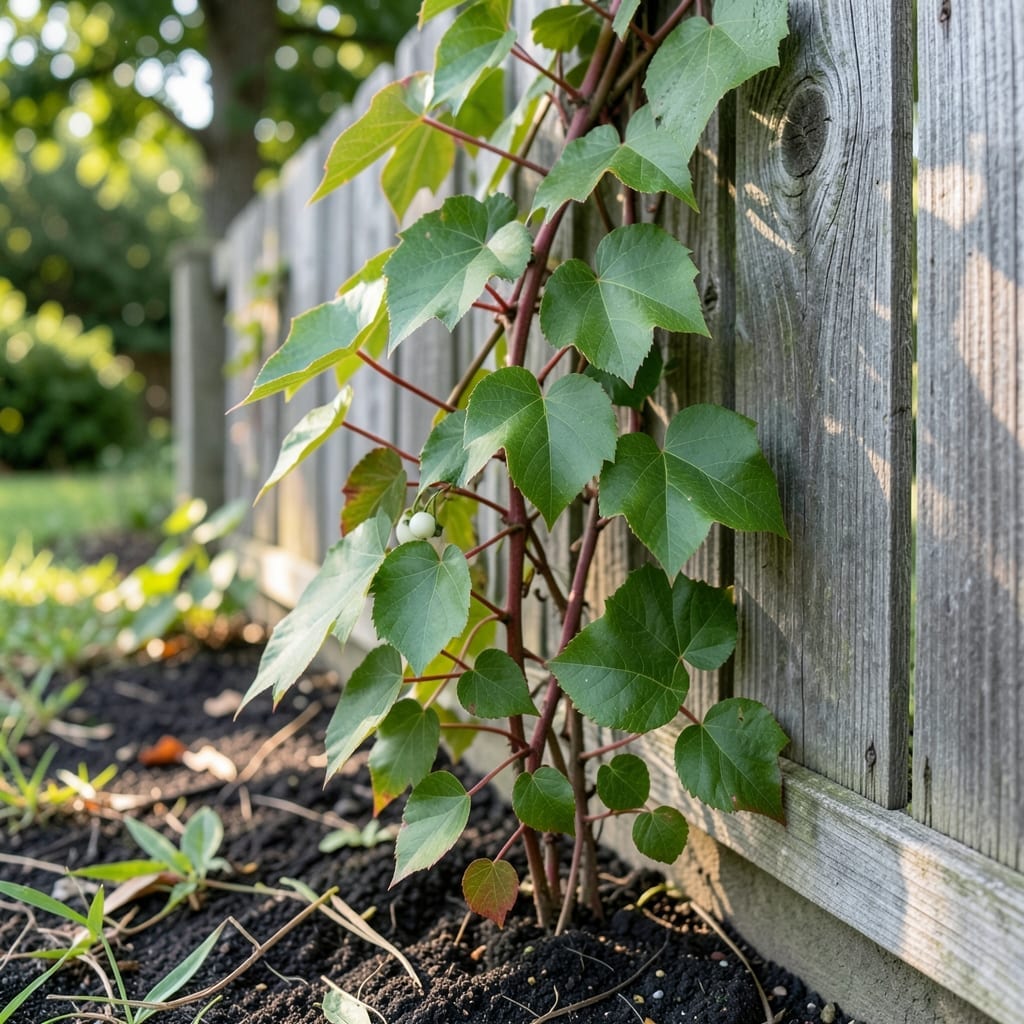
That itchy red rash can sneak up on you. I learned the hard way that poison ivy doesn’t always announce itself with obvious leaves—sometimes it hides in plain sight until it’s too late.
After exposure, the first signs might not appear for 12-48 hours, but the rash can take up to 10 days to fully develop. The oil from the plant clings to skin, tools, or even pet fur, waiting for contact.
Early signs include redness, swelling, or tiny blisters. The sooner you spot it, the better your chances of containing the spread and easing the discomfort.
Prevention starts with learning to identify the plant in all its forms—leafy vines, shrubs, or ground cover. Here’s how to stay one step ahead.
The delayed appearance of a poison ivy rash is primarily due to your immune system’s response to an oily resin called urushiol, found in the plant’s leaves, stems, and roots. Here’s why it happens:
Urushiol binds to skin proteins shortly after contact, but the visible rash doesn’t emerge immediately. Your immune system takes 12–48 hours to recognize urushiol as a threat and mount a defense. This delayed reaction is why symptoms often appear after exposure, not during.
Once detected, your body releases histamine and other inflammatory chemicals to fight the “invader.” This process triggers itching, redness, and blisters, typically peaking 1–3 days post-exposure. The severity depends on your sensitivity and how much urushiol was absorbed.
Urushiol can linger on tools, clothing, or pets, causing delayed reactions if you touch contaminated surfaces later. Even washing the affected area within 10–30 minutes may not prevent the rash if urushiol has already bonded to skin proteins.
Pro tip: Soap and water can remove urushiol before it binds—act fast to minimize symptoms!
Dealing with poison ivy? Here’s how to tackle it based on the cause and stage of exposure.
If you’ve touched poison ivy, wash the area with soap and cool water within 10–15 minutes to remove the plant’s oil (urushiol). Use cold water—hot water can open pores and spread the oil. Scrub gently with a washcloth or nail brush if the oil is under fingernails. Prevention tip: 💡 Wear long sleeves, gloves, and pants when hiking or gardening in wooded areas.
If a rash appears (usually 12–48 hours after exposure), apply calamine lotion or hydrocortisone cream to reduce itching. Oatmeal baths or cool compresses can soothe irritation. Avoid scratching—it won’t spread the rash but can cause infection. Prevention tip: 🎯 Learn to identify poison ivy (“leaves of three, let it be”) and avoid burning it (inhaling smoke can cause severe lung irritation).
For blisters, swelling, or a rash on the face/genitals, see a doctor. They may prescribe oral steroids or stronger topical treatments. If you suspect infection (pus, warmth, or red streaks), seek medical help immediately. Prevention tip: ✨ Wash clothes, tools, and pets that may have touched the plant—urushiol can linger for years.
Act fast, stay calm, and keep those itchy hands away!
No, scratching won’t spread the rash, but it can cause infection. The blisters contain fluid from your body, not urushiol. Still, keep nails short and clean to avoid breaking the skin.
Most rashes improve within 1-2 weeks with proper care. Severe cases may take up to 3 weeks to fully heal. Over-the-counter creams can help manage itching during this time.
No, the fluid in blisters is not contagious. However, urushiol can still be present on unwashed skin or surfaces. Always wash hands thoroughly after treating the area.