
Beautiful Plants For Your Interior
Beautiful Plants For Your Interior
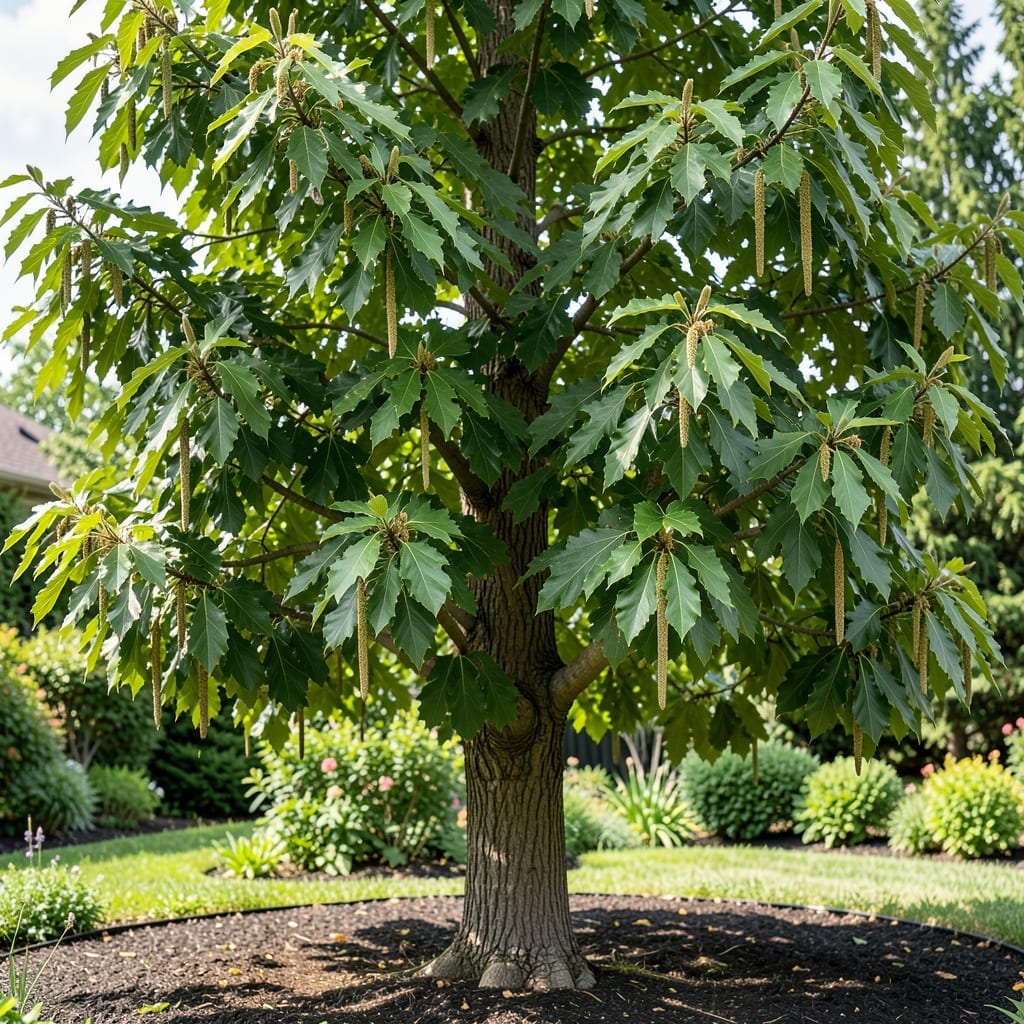
Pecan trees are a long-term investment for any gardener, offering decades of delicious harvests once they mature. But patience is key—these majestic 🌳 trees don’t bear nuts overnight.
I remember planting my first Pecan Tree and wondering when I’d see my first nuts. The wait can feel endless, but understanding the timeline helps set realistic expectations.
Discover what affects your Pecan Tree’s bearing age and how to encourage earlier production. The wait will be worth it when you taste those first homegrown pecans.
If you’re planting a Pecan Tree, expect a long wait before the first harvest. Most grafted trees begin bearing nuts between 6 to 10 years after planting, depending on the variety and growing conditions. 🌳
Seed-grown trees take even longer, often 12 to 15 years or more. I’ve seen gardeners surprised by this timeline, but it’s completely normal for these majestic trees to take their time.
| Tree Type | Years to Bear | Notes |
|---|---|---|
| Grafted | 6-10 years | Faster, reliable varieties |
| Seed-Grown | 12-15+ years | Variable quality, longer wait |
| Dwarf Varieties | 4-8 years | Smaller size, earlier yield |
Early-bearing varieties like ‘Cape Fear’ or ‘Stuart’ may start producing as early as 5 years, while others like ‘Pawnee’ might take closer to 8-10 years. The key is patience and proper care. ☀️
I’ve learned that consistent watering and balanced fertilization during the early years can help speed up maturity. But don’t rush it—Pecan Trees need time to establish strong root systems.
Full sun exposure is critical for these trees. They thrive in USDA zones 6-9 and need at least 6 hours of sunlight daily. Without it, the timeline to bearing can stretch even longer.
Another factor is pollination. Most Pecan Trees require cross-pollination from another variety. If you plant just one tree, you might wait forever for nuts! I always recommend planting at least two trees. 🌿
Soil quality matters too. These trees prefer deep, well-draining soil with a pH between 6.0 and 6.5. A soil test before planting can save you years of frustration.
Once your tree does start bearing, don’t expect a full harvest right away. The first few years of nut production are often light, with yields increasing as the tree matures. My first ‘Desirable’ Pecan Tree gave me just a handful of nuts in year 7.
Remember, every tree is unique. Some may bear earlier or later depending on climate conditions, tree health, and cultural practices. The wait is part of the journey.
If you’re eager to see results, consider starting with a mature grafted tree from a nursery. While more expensive, these can start bearing within 3-5 years of transplanting. ✂️
Several critical factors influence when your Pecan Tree will bear its first nuts. Climate plays a huge role—these trees thrive in USDA zones 6-9 with warm summers and mild winters. 🌳
I’ve found that soil quality can make or break your timeline. Well-draining soil with a pH between 6.0 and 6.5 gives roots the best start. Poor soil often delays maturity by years.
Watering practices are often overlooked. Young trees need consistent moisture without waterlogging. I use a drip irrigation system to maintain even soil moisture. ☀️
Pruning helps direct energy toward nut production. Remove dead or crossing branches in late winter before new growth starts. This keeps the canopy open for sunlight.
Pollination is non-negotiable. Most Pecan Trees aren’t self-fertile. I planted ‘Stuart’ and ‘Desirable’ together for reliable cross-pollination. Without it, you might never see nuts. 🌿
Fertilization schedules matter too. Use a balanced 10-10-10 in early spring, then light feedings through summer. Over-fertilizing can actually delay bearing by promoting leafy growth over nuts.
Finally, tree health impacts everything. Pests like pecan weevils or diseases such as scab can set back progress. Regular inspections and prompt treatment keep your tree on track.