
Beautiful Plants For Your Interior
Beautiful Plants For Your Interior
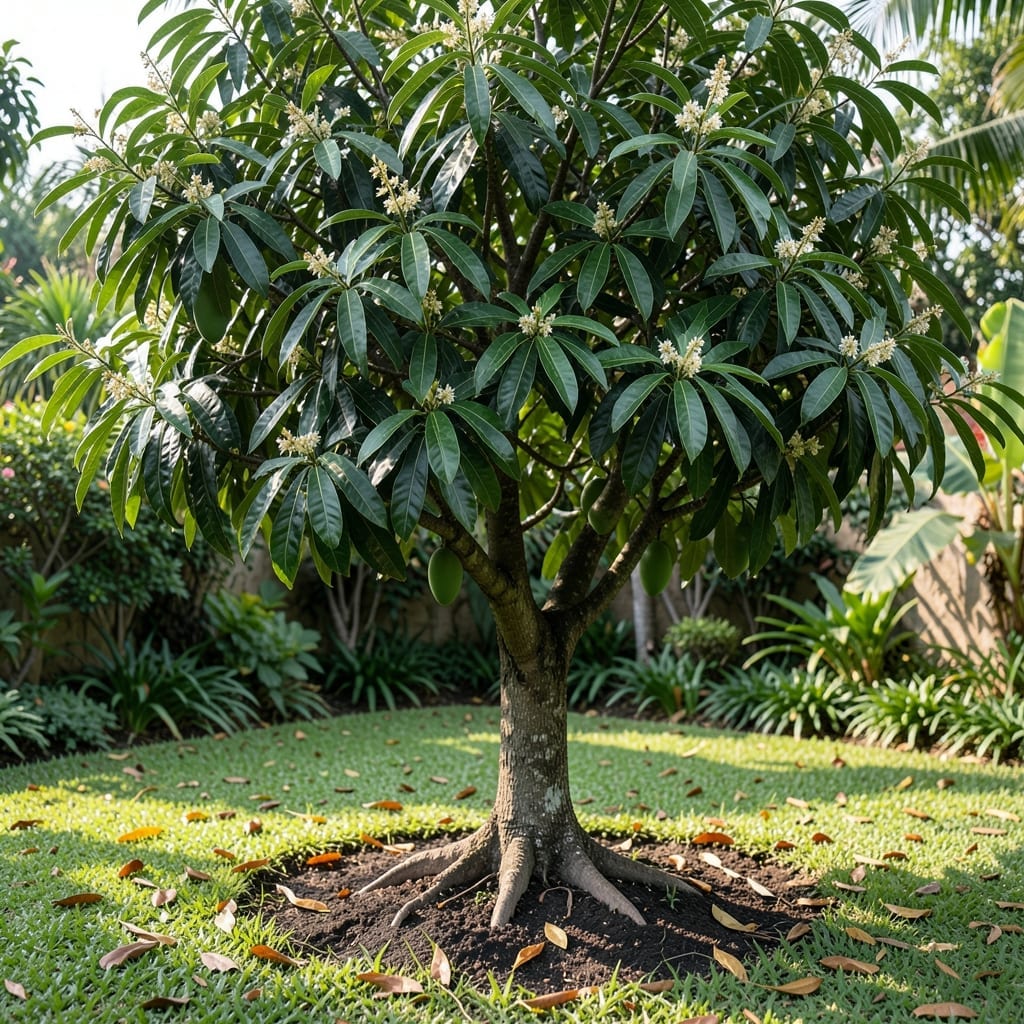
Patience is key when growing 🥭 Mango Trees—these tropical favorites can take years to produce their first sweet, juicy fruits. Understanding the timeline helps gardeners set realistic expectations.
While you might dream of harvesting mangoes right away, most trees need 3-6 years to mature enough for fruiting. The wait depends on factors like variety and growing conditions.
Discover how to encourage earlier fruiting and recognize the signs your tree is ready. Let’s make your mango-growing journey a successful one.
Growing a mango tree is a long-term commitment, but the reward of fresh, homegrown fruit is worth the wait. Most gardeners don’t realize that the fruiting timeline varies widely based on how the tree was started.
Seed-grown trees can take 5-8 years to bear fruit, while grafted varieties often produce in just 3-5 years. This difference makes grafting the preferred method for faster results.
| Stage | Age | Notes |
|---|---|---|
| Seedling | 0-2 years | Focus on root and foliage growth |
| Juvenile | 3-4 years | May flower but fruits often drop |
| Early Fruiting | 5-6 years | First reliable harvest for grafted trees |
| Mature | 7+ years | Full production, 100+ fruits per year |
The climate plays a huge role in fruiting speed. In tropical zones like USDA 10b-11, trees grow faster due to year-round warmth. Cooler areas may delay fruiting or prevent it entirely.
Dwarf varieties like ‘Cogshall’ or ‘Ice Cream’ are excellent for containers and often fruit earlier. Their compact size also makes them easier to protect from cold snaps.
I’ve found that consistent care speeds up the process. Trees with regular watering, balanced fertilizer, and full sun exposure tend to mature faster than neglected ones.
Another key factor is pruning. Young trees need light pruning to develop a strong structure, but avoid heavy cuts that can delay fruiting. Focus on removing dead or crossing branches.
Flowering is the first sign your tree is nearing fruiting age. Mango trees typically bloom in winter or early spring, with fruits maturing over 3-5 months depending on variety.
If your tree flowers but the fruits drop, don’t panic. This is common in young trees and usually resolves as the tree matures. Hand-pollination can sometimes improve fruit set in these early years.
For the fastest results, I recommend starting with a 2-3 year old grafted tree from a nursery. This gives you a head start and increases the chances of fruiting within 2-3 years of planting. 🌳
If you’re eager to taste homegrown mangoes sooner, there are proven ways to encourage earlier fruiting. While you can’t rush nature entirely, these methods can shave years off the waiting period.
I’ve tested these techniques myself and seen great results. The key is consistent, targeted care that supports the tree’s natural growth while giving it a gentle push toward maturity.
Fertilization is one of the most effective ways to speed up fruiting. I recommend using a balanced 6-6-6 fertilizer during the growing season, then switching to a high-potassium formula as the tree nears flowering age.
Watering consistency also matters. Mango trees need deep, regular watering to develop strong roots, but avoid waterlogging. A deep soak once weekly works well in most climates, adjusting for rainfall.
Pruning should focus on removing dead or diseased branches and shaping the tree. Avoid heavy pruning, which can delay fruiting by forcing the tree to regrow foliage instead of producing flowers.
For container growers, dwarf varieties are a game-changer. These compact trees often fruit 1-2 years earlier than standard types and are easier to move indoors during cold weather. 🌿