
Beautiful Plants For Your Interior
Beautiful Plants For Your Interior
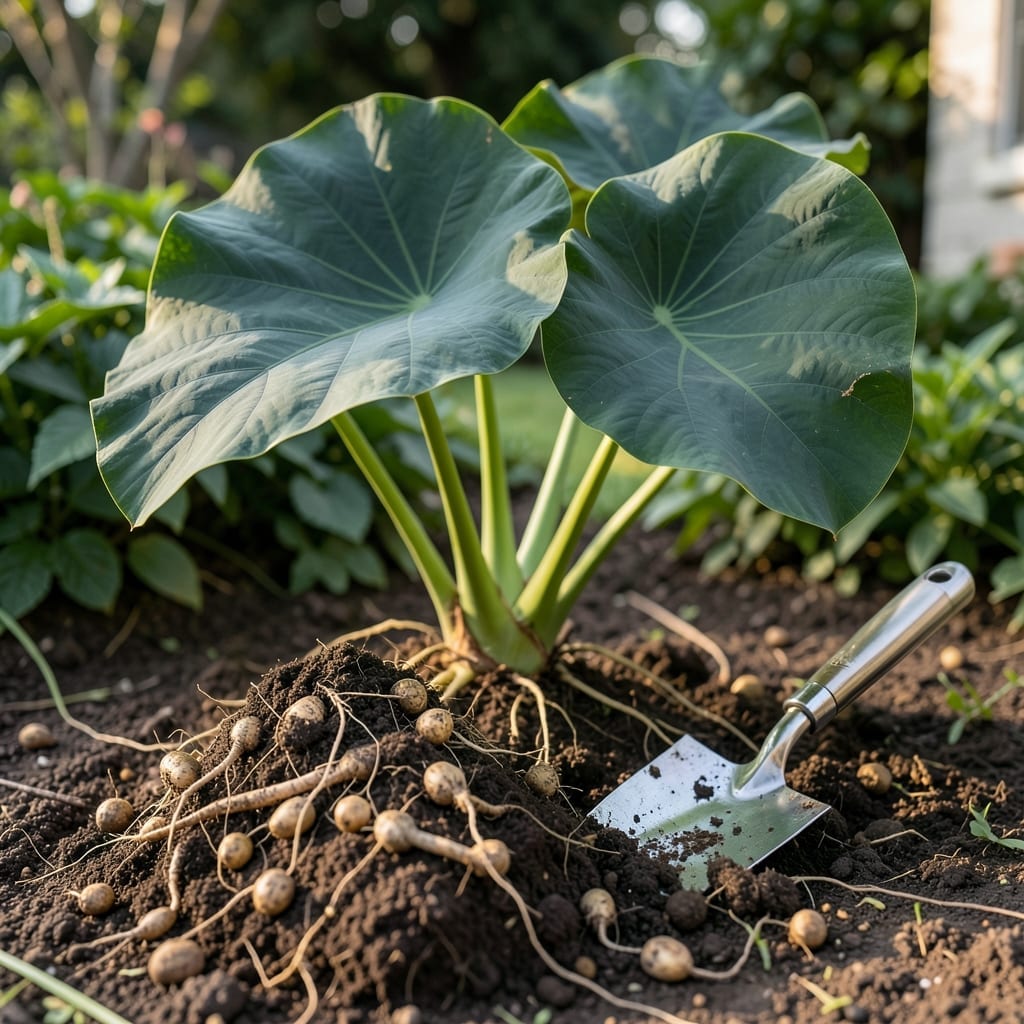
Waiting for your 🌿 Elephant Ear to sprout can test any gardener’s patience. These tropical plants are notorious for their slow start, leaving many wondering if they’ve done something wrong.
What most don’t realize is that Elephant Ears have a unique germination rhythm. The timeline varies based on factors like soil temperature and planting depth, which we’ll explore.
I’ll walk you through exactly what to expect and how to create the ideal conditions for your tubers to break dormancy and sprout faster than you thought possible.
If you’re wondering how long for elephant ears to sprout, the answer depends on your starting point. Tubers typically take 3-8 weeks to show life, while seeds may sprout in 2-4 weeks under ideal conditions.
The key factor is soil temperature. Elephant ears need consistent warmth of 70-75°F to break dormancy. Cooler soils will significantly delay sprouting, sometimes by weeks.
| Stage | Timeframe | Key Conditions |
|---|---|---|
| Dormancy Break | Week 1-2 | Soil >60°F |
| Sprout Emergence | Week 3-6 | 70-75°F ideal |
| First Leaves | Week 6-8 | Consistent moisture |
| Full Growth | Week 8+ | Warmth + sunlight |
I’ve found that pre-sprouting tubers indoors can shave 2-3 weeks off this timeline. Place them in a warm, dark spot with barely damp sphagnum moss until you see pinkish sprouts forming.
During the first two weeks, don’t expect visible action above soil. The tuber is busy developing root systems underground. This is when many gardeners give up, thinking their tubers are duds.
By week 3-4, you should see small bumps or shoots pushing through the soil. This is the most exciting phase! The sprouts will be reddish-purple at first, gradually turning green as they mature.
If your elephant ears aren’t sprouting by week 6, check your soil temperature with a thermometer. Anything below 65°F will cause delays. Consider moving pots to a warmer location or using a heat mat.
Remember that larger tubers often sprout faster than smaller ones. If you’ve planted jumbo-sized tubers, you might see growth in as little as 2 weeks with perfect conditions.
For those starting from seeds, maintain high humidity by covering trays with plastic wrap. Keep the soil consistently moist but not soggy, as waterlogged conditions can cause the seeds to rot.
Once sprouts appear, move your plants to bright, indirect light. Direct sun can scorch the tender new growth. As the leaves develop, you can gradually introduce more sunlight.
Patience is key with elephant ears. While they’re slow to start, once they begin growing, they’ll reward you with rapid foliage development and those iconic large leaves we all love. 🌿
If you want to reduce the waiting time for your elephant ears to sprout, I’ve got practical tricks that work. These tropical plants respond well to warmth and moisture, so creating those conditions is key.
Start by pre-sprouting tubers in a warm indoor spot. This gives you a head start before moving them outside when the soil has warmed up properly.
I always soak tubers overnight before planting. This rehydrates them and can kickstart the sprouting process by several days. Just don’t leave them in water for more than 12-24 hours.
A clear plastic bag over your pot creates a mini greenhouse. This traps heat and moisture, which elephant ears love. Remove it once sprouts appear to prevent mold growth.
Remember that larger tubers have more stored energy and will sprout faster. If you’re impatient, invest in jumbo-sized tubers from reputable suppliers for the best results.
Finally, resist the urge to dig checking on progress. Disturbing the soil can damage emerging shoots. Instead, mark planting locations and watch for surface changes. 🌿