
Beautiful Plants For Your Interior
Beautiful Plants For Your Interior
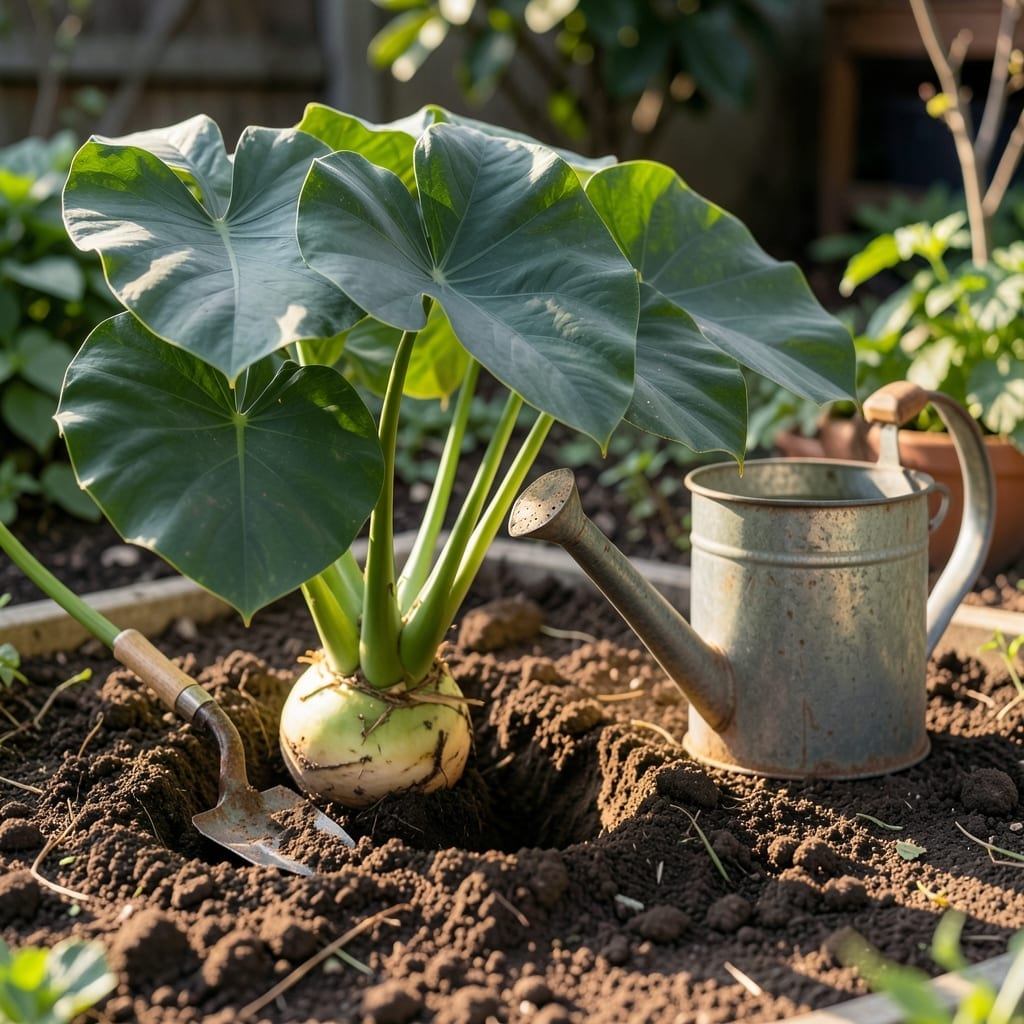
Watching 🌿 Elephant Ear bulbs sprout for the first time is like witnessing magic in your garden. These tropical beauties can take time to emerge, and knowing their timeline prevents unnecessary worry.
Understanding the germination process ensures you provide the right care from day one. The wait can feel long when you’re eager to see those first green shoots.
I’ll walk you through what to expect week by week and how to create optimal conditions for your Elephant Ear bulbs to thrive. Let’s get started.
Patience is key when growing Elephant Ear bulbs. These tropical plants often take 2 to 4 weeks to sprout, but timing varies based on conditions like soil temperature and moisture levels. I’ve seen bulbs emerge in as little as 10 days in ideal settings.
If your soil is below 60°F, the bulbs may stay dormant. Warmth is critical, as these plants are native to tropical climates. Consistently moist but not soggy soil also speeds up the process.
In my experience, pre-sprouting bulbs indoors can shave a week off the timeline. Place them in a warm, humid spot like a bathroom or near a heat source. Just avoid direct sunlight until shoots appear.
The quality of the bulb matters too. Larger, firmer bulbs tend to sprout faster. If you’re using stored bulbs, inspect them for soft spots or mold before planting.
Overwatering is a common mistake that delays sprouting. Soggy soil can cause bulb rot, so ensure your pots or garden beds have good drainage. A well-draining potting mix works best.
If your bulbs haven’t sprouted after 4 weeks, check the soil temperature with a thermometer. Below 60°F means it’s too cold. Consider moving pots indoors or using a heat mat to warm the soil.
Once shoots break the soil, they’ll grow rapidly. In warm climates, you might see 1-2 feet of growth in just a few weeks. Keep the soil consistently moist but not waterlogged during this phase.
I recommend marking your planting date on a calendar. This helps track progress and adjust care if needed. If 6 weeks pass with no growth, it’s time to dig up the bulb and check for rot or disease.
Remember, Elephant Ears are worth the wait. Their bold, dramatic leaves transform any garden space once they take off 🌿
I’ve learned that Elephant Ear bulbs sprout faster with a little extra care. Warmth and consistent moisture are the biggest factors. Start by planting in well-draining soil and keeping temperatures above 60°F.
One of my favorite tricks is pre-sprouting indoors. Place bulbs in a warm, humid spot like a bathroom or near a heat source. This can cut sprouting time by a week or more.
🌱 Pro Tips for Faster Sprouting
Another game-changer is using a heat mat under your pots. This ensures the soil stays at the optimal temperature even if outdoor conditions are cool. I’ve seen bulbs sprout in 10-14 days with this method.
Overwatering is a common pitfall. Keep the soil moist but not soggy. A well-draining potting mix helps prevent bulb rot, which can set you back weeks.
The quality of your bulbs also plays a role. Larger, firmer bulbs tend to sprout faster. Always inspect for soft spots or mold before planting.
Finally, partial shade is ideal for young shoots. Too much direct sun can stress the plants, while too little slows growth. Aim for 4-6 hours of sunlight daily for best results 🌿